

Acupuncture for Anxiety
Anxiety is a symptom. It’s a normal reaction to abnormally stressful situations yet it’s exploded as the diagnosis of our nation. Find out how Acupuncture treats the root causes to anxiety plus the science behind why this ancient medical practice is so naturally effective.
By DR. Lauren Dyer
DAC, LAC, DIPL. AC (NCCAOM)

It’s the diagnosis of a nation.
Anxiety eclipses depression as the most common mental health concern in the US, affecting 40 million adults. Given the current state of affairs, this number is without a doubt higher, affecting everyone in their own ways.
Even before these strange and uncertain times, anxiety has been on the rise.
The American Psychiatric Association ran a poll on 1,000 U.S. residents in 2017, and found that two thirds were “extremely or somewhat anxious about health and safety for themselves and their families and more than a third are more anxious overall than last year.” In 2018, poll was repeated and Anxiety had spiked by another 5 percent.
These findings are on par with Google Trends publishing how searches for anxiety doubled over the past five years.
Okay, so anxiety is more common than ever.
But what is it exactly?
Anxiety is an intense, excessive, and persistent worry and fear about everyday situations that interferes with daily life.
For some people, it’s more situation-based. For others, it’s an everyday struggle. Even if anxiety is common, that does not make it a disorder, or someone who has it mentally ill (more on that controversial topic and why I wholeheartedly disagree with that language here).
Anxiety is a symptom.
When not caused by nutrient deficiencies, imbalanced blood sugar, or a pharmaceutical side-effect, anxiety is a normal reaction to abnormally stressful and traumatic situations.
“Anxiety is a normal response to abnormally stressful or traumatic situations”
Like grief and anger, anxiety is part of the human experience that should not be deemed a disorder and stigmatized. Unfortunately there is still a lot of shame people feel around acknowledging they have anxiety, let alone choosing to seek help. If you are one of those people, I am writing this for you. You are not alone, nor can you expect yourself to “be positive” all of the time. Not only is that unrealistic, the pressure of trying to keep-up that facade just makes it worse. In my personal and professional opinion, what is realistic is reframing the way we as individuals, a culture, and healthcare system look at mental health.
Think about it…
What if instead of labeling anxiety a “mental disorder” that needs to be chemically managed, we considered it a symptom that can be healed?
If we did, treating it could be reframed too, with less emphasis on numbing your feelings, and mode on holistically addressing the root culprits and circumstances causing it in the first place.
“What if instead of labeling anxiety a mental disorder that needs to be chemically managed, we considered it a symptom that can be healed?”
Thankfully, there are branches of medicine doing just that: Functional Medicine, Naturopathic Medicine, Psychoneuroimmunology, and of course, Traditional Chinese Medicine (TCM).
The Mind-Body Connection in Eastern Medicine:
For centuries, Traditional Chinese Medicine (TCM) has known how interconnected the body, mind, and emotions are: how long-suppressed and intense can emotions can become trapped in the body, later showing up as physical health issues. Likewise, when an organ system is affected, its paired emotion will surface (think: alcohol’s effect on the liver, which for some drinkers leads to anger). You can learn more about the Emotion-Organ Relationship in a blog I wrote here.
Thousands of years ago, TCM practitioners may not have used the term “anxiety,” but they established that worry damages the Spleen and Stomach—what modern medicine now calls our Gut Microbiome. Or how fear weakens the Kidneys—which we today know how our adrenal glands (which rest on top of the Kidneys) release stress hormones when we feel threatened.
It’s no coincidence. TCM has always accepted how the mind affects the body, and vice versa.
So how does Acupuncture help with anxiety?
A Personalized Approach:
When supporting those with anxiety, my approach is personalized to you and your experience of it. Just as the reasons behind anxiety are different, the way it shows up in the body can be too—so why would I (let alone more conventional avenues) treat it as if they were the same?
As an Acupuncturist, one of the ways I identify the root causes comes from asking questions during your first appointment.
When you get anxious, do you experience:⠀⠀
a racing mind, especially at night?⠀⠀
night sweats or tossing/turning?⠀
palpitations worse when you’re tired?⠀⠀
chest tightness or pain? ⠀⠀
dizziness or trouble focusing?⠀⠀
full-on panic attacks? ⠀
a sensation of having a lump in your throat?⠀
easily frightened or indecisive?
a wave-like feeling in your gut? ⠀⠀
loose stools or stomach pain?⠀⠀
sadness or shortness of breath?⠀⠀
angry or irritable easily?
vivid or disturbing nightmares?⠀
I also make sure to ask:
If there is a history of trauma (if so, only share what you are comfortable with)
What your diet is like (to rule out any potential nutrient deficiencies)
What medications you are on (to rule out if there is a side-effect taking place)
Each answer tells me something different about how anxiety is impacting your internal health.
It also signals to me which Acupuncture points to select, foods or herbs to suggest, etc.
Let’s say 10 people have anxiety—but the ways it shows up in their body, the events that have shaped its emergence, their associated symptoms and triggers can be (and often are) vastly different. As a result, there will be 10 different diagnoses and they will each receive 10 totally different treatments, all tailored to their needs.
This is one of the reasons Acupuncture is as effective as it is at alleviating anxiety: it is far from a one-size fits all approach.
By understanding your unique constitution, Acupuncture addresses the root causes behind your anxiety while treating the unique physical symptoms that arise with it.
The Science Behind It:
If you are curious about the how Acupuncture improves anxiety, check out this research:
IT REGULATES YOUR STRESS RESPONSE Via HEart rate variability
One of the most sensitive measures of the body’s ability to cope with stress is something called your Heart Rate Variability (HRV). Unlike heart rate which is the number of beats per minute, HRV is the time in between each beat. HRV measures how well your nervous system adapts to stress.
HRV is measured in the heart, but it originates in the Autonomic branch of your Nervous System which controls your sympathetic (fight-or-flight) and parasympathetic (rest-and-digest) responses.
When HRV is high, it means your nervous system is balanced—your body can adapt to stress in your environment. A high HRV is desirable because it means your brain can switch between being on high-alert and calm at appropriate times. This can look like being able to fall asleep easily when it’s time for bed and having the energy to focus at work during the day. With anxiety these can be hard to come by.
When HRV is low, it means one branch is dominating (usually the sympathetic) and sending stronger signals to your heart/organs than the other. It means your body is working on overdrive to maintain its daily functions, which leaves fewer resources for exercising, caregiving, or whatever your daily activities require. A low HRV is common if you have chronic anxiety because your body is stuck in survival mode, even when a trigger is not immediately present.
The good news is, Acupuncture has been shown to improve the body’s ability to cope with stress and lower anxiety by improving HRV:
“In patients with mild depression or anxiety, verum acupuncture but not sham acupuncture was associated with significant reductions from baseline in mean resting heart rate at 5 and 15 min after needle application…These results suggest that verum acupuncture modulates autonomic activity in response to alterations of internal and external environments, and thus reduces overall anxiety in patients with depression or anxiety.” (MacDonald, 2019)
IT RELEASES ENDORPHINS
A summary of clinical findings on Acupuncture for anxiety details how:
“When the body is under stress, an area of the brain called the hypothalamus releases neurochemicals and research shows that acupuncture can calm this response. Acupuncture has also been shown to increase the release of endorphins, the body’s own ‘feel-good’ chemicals, which play an important role in the regulation of physical and emotional stress responses such as pain, heart rate, blood pressure and digestive function. All of these mechanisms have a direct effect on reducing anxiety.”
By releasing endogenous (self-made) pain-relieving opioids and feel-good endorphins, Acupuncture supports your body’s ability to restore, regulate, and heal itself in the ways it needs—drug-free.
IMPROVES SLEEP
Quality sleep is hard to maintain when your mind can never shut off.
A literature review on Acupuncture for psychiatric conditions reported that it significantly improved sleep quality in patients with anxiety related insomnia. One of the studies cited reported that after treatment, “urine 6-sulfatoxymelatonin (a metabolite of melatonin) levels were normalized and several polysomnographic measures, as well as self-reported fatigue, sleepiness, anxiety, and level of depression, were significantly improved. Combined with the evidence of treatment efficacy in depression-related insomnia, acupuncture may have broader utility in neuropsychiatric disorders with impaired quality of sleep.”
Whether you have trouble falling asleep, staying asleep, or wake at the same time every night (the reason why can be found by looking at the TCM Body Clock), an Acupuncturist can help determine what imbalances are present to give you a specific treatment geared towards your symptoms.
IT Supports gut health
It is estimated that your gut bacteria produce about 95 percent of your body's serotonin, the neurotransmitter that influences both mood and gastro-intestinal activity (American Psychological Association). 95 percent!
This discovery has prompted a new area of research in what is called the Gut-Brain Connection. As novel as it seems, it confirms what Traditional Chinese Medicine has known for centuries about the mind-body connection. Gut feelings are no longer just a saying, they’re real.
Given how rich the gut is in bacteria and nerve fibers, it has been called a second brain—the enteric nervous system. The current evidence reveals that contrary to popular belief, the brain is not solely responsible for dictating the body’s activities. Instead, the gut-brain communication goes both ways:
“While doctors have always known that mental conditions such as stress and anxiety can lead to gastrointestinal issues – butterflies in your stomach for example, or stress-induced loose stools or nausea – increasingly it seems that the cause-and-effect relationship between mental state and gastrointestinal state may work in reverse, as well. An upset gut (ie. inflammation) can trigger changes in our mental state, suggesting that an upset in the balance of gastrointestinal (bacteria and) function could conversely be sending signals to your brain that cause neurological and emotional symptoms such as depression, anxiety and mood swings.” (Lanyon 2019)
Digestive complaints such as poor appetite, abdominal pain, nausea, and irregular elimination are some of the most common symptoms I see in patients that come in for anxiety. Thankfully, Acupuncture has been shown to have positive effects on these symptoms, especially for Irritable Bowel Syndrome (IBS) where a meta-analysis demonstrated Acupuncture’s effectiveness to be clinically and statistically significant.
SIGNALS OF SAFETY
In light of the many ways the scientific community can explain how Acupuncture helps anxiety, I have my own view that sums them up:
I like to think of Acupuncture as giving your body signals of safety.
By figuratively tapping into the nervous system, Acupuncture gives your mind and body the stillness to deliver the message that “I am safe, I am okay, I can re-balance now” so it can do just that. Along with mobilizing your body’s own resources, bloodflow, and neuro-endocrine signals, Acupuncture can help you reclaim a sense of calm and resilience to withstand future stress.
If you want to experience it for yourself and are someone who:
Has tried anti-anxiety medications in the past but found they didn’t work for you
Has tried anti-anxiety medications but didn’t like they way they made you feel or taking them lead to unwanted side-effects
Wants to taper-off your medication while having a natural therapy to support you during that process (Do not discontinue or adjust any medications without talking to your prescribing doctor first.)
Wants a dual physical and energetic medicine to compliment counseling sessions you attend, with the option to coordinate care with your therapist
Wants to avoid medications
Has “tried everything else”
Has been dismissed by practitioners and wants a more compassionate and holistic support system that ultimately puts you in the driver seat of reclaiming your health
Wants strategies and recommendations for anxiety that are meant to support long-term relief rather than a superficial quick-fix
I would be happy to support you.
Ready to get started?
Have questions?

Hi, I’m Lauren Dyer.
I am the Co-Founder and Doctor of Acupuncture here at Empower in New Gloucester, Maine.
I specialize in supporting those with Chronic Pain, Emotional + Mental Wellness, and GI health.
In Traditional Chinese Medicine, these are areas that not only relate to and reflect one another, but are also close to my heart. I consider myself lucky because I truly love Acupuncture and what I do. Getting to connect with others while empowering them to live with a renewed sense of relief, inner peace, and vitality are some of my greatest joys.
So if you are struggling with chronic pain, anxiety, depression, sleep issues, the residual effects of trauma, a difficult transition, or other related symptoms, I am here to help you navigate and own your healing process.
SOURCES:
Amorim D; Amado J; Brito I; Fiuza SM. (2018, May). Acupuncture and Electroacupuncture for Anxiety Disorders: A Systematic Review of the Clinical Research. Retrieved from https://pubmed.ncbi.nlm.nih.gov/29705474/
Campos, M. (2017, November 22). Harvard Health Blog, “Heart rate variability: A new way to track well-being.” Retrieved from https://www.health.harvard.edu/blog/heart-rate-variability-new-way-track-well-2017112212789
Chao, G.-Q., & Zhang, S. (2014, February 21). Frontiers In Genetics, “Effectiveness of acupuncture to treat irritable bowel syndrome: A Meta-Analysis.” Retrieved from https://www.ncbi.nlm.nih.gov/pmc/articles/PMC3930986/
Cheng-Hao, MacDonald, Chen, Yi-Hung, & Iona. (2019, January 10). Frontiers in Psychiatry, “The Effects of Acupuncture on Glutamatergic Neurotransmission in Depression, Anxiety, Schizophrenia, and Alzheimer's Disease: A Review of the Literature. Retrieved from https://www.frontiersin.org/articles/10.3389/fpsyt.2019.00014/full
Lanyon, C. (2019, August 19). “What TCM has known for centuries: 'New' Brain-Gut Connection.” South China Morning Post. Retrieved from https://www.scmp.com/lifestyle/health-wellness/article/3022925/brain-gut-connection-how-tcm-has-known-centuries-what
Russel, D., et al. (n.d.). Acupuncture as a Therapeutic Treatment for Anxiety. Retrieved from https://www.evidencebasedacupuncture.org/present-research/acupuncture-anxiety/

Acupuncture for Depression
In Chinese Medicine, Depression is far more than a mental health condition: it’s an emotional and physical one too. Learn how Acupuncture can help plus what research has to say on its effectiveness.

Lauren Dyer, DAC
If you were to look up depression, the Diagnostic and Statistical Manual of Mental Disorder (DSM-V) defines it as an “episode” that lasts at least two weeks where the person experiences a depressed mood or loss of interest or pleasure in almost all activities. This mood must be present along with at least five other symptoms, including:
Sleep issues on almost a daily basis (either difficulty sleeping or sleeping too much)
Changes in appetite and weight (change of more than 5 percent body weight in a month) or a decrease or increase in appetite nearly every day
Decreased energy or fatigue almost every day
Difficulty concentrating, making decisions, and thinking clearly
Psychomotor agitation or impairment that is observable by others (slow physical movements or unintentional or purposeless motions)
Recurrent thoughts of death or suicide, a suicide attempt, or plan
This definition is fine and formal, but in reality, depression is different for everyone. Yes, there are some shared experiences in the energy dips, low spirits, and diminished drive for those who have it. But there are others who are high-functioning and hide it well. Depression is unique in that it is irrational and unpredictable. Unlike anxiety that tends to worsen in a linear progression, depression can vacillate between numbness and hopelessness; one day you can wake up feeling nothing and lack motivation, while another day you are feeling everything too strongly and find yourself in a downward-spiral of self-loathing.
Although depression is considered a mental condition, in Chinese Medicine it is just as much of an emotional and physical one too.
If you read my previous blog on “The Physical Effects of Emotions,” bear with me as I reiterate one of the most important points that demonstrates this:
“In Chinese Medicine, each emotion is associated with an internal organ—and when one emotion is too intense, it impacts the ability of that organ to function properly. This is because each emotion impacts the circulation and direction of energy (Qi) in the body in distinct, but predictable ways.
As opposed to Western Medicine where mental and emotional processes are connected to the brain (reactions in the cerebral cortex, limbic system, and hypothalamus), in Chinese Medicine, these processes are driven by the internal organs themselves. If you’ve ever heard anyone say they had a “visceral reaction” to something, that’s why: when emotions are felt strongly, we feel them physically.
In other words, our psychology affects our physiology.
Of course, emotions are natural and healthy, but when one is experienced repeatedly, inappropriately (out-of-context), or repressed for too long, that emotion can manifest physically as symptoms associated with the internal organ it is paired with. The same is also true in reverse: if the functioning of a certain organ is impaired, its dysfunction can reveal itself through its paired emotion.
In this sense, Depression does not just describe an emotional affect, but the presence of poor circulation (stagnation). This is why emotional depression and the “depressed” movement of qi/blood are often seen hand-in-hand. This also explains why depression can manifest as physical ailments and behavioral patterns such as:
Chronic Pain
Fibromyalgia
Chronic Fatigue
IBS & GI Disorders
Auto-Immune Conditions
Substance Dependency
and more…
When it comes to treating it with Acupuncture and Chinese Medicine, my approach is different for each person I work with. This is because, as opposed to conventional medicine, not everyone’s depression expresses itself the same way. So why would I treat it the same? Any two (or even 10) people can have depression—but what activates it, the predominant emotion(s) and organ(s) involved, their symptoms, plus aggravating factors can be completely different.
Taking these nuances into account is the key to effectively diagnosing and treating the underlying imbalance.
What follows are some of the most frequently asked questions I get from those wondering if Acupuncture can help them with depression.
What should I expect?
As mentioned above, treating depression with Acupuncture is not a one-size-fits all (not even a one-size-fits most) approach. You can expect an individualized treatment plan to support your process because I tailor everything about your care to you—from the Acupuncture points I choose and additional modalities I incorporate, to the foods/herbs and lifestyle recommendations I offer. During our initial 1.5 hour long appointment together, we will talk at length about you, your medical history, and story—what brought you to where you are today?
I ask several questions not only about what your depression looks like to you and how it physically manifests, but about other areas of your life that might seem unrelated—like your digestion, what you eat (or what you can manage to eat) on a daily basis, what your home and work environments are like, your relationships, sleep patterns, whether you have tendencies for physical pains or get sick often. These are just some areas I like to touch on, but they are pretty important so I can make connections and look at the bigger picture of what imbalances are taking place internally.
After the intake process, I will look at your tongue (yes, really) and feel your radial pulse on the inside of your wrists. Both are important diagnostic tests that reveal another layer of what organ systems are implicated in your pattern of depression. I also like to create space before the Acupuncture itself so you can ask any questions you have. Once your treatment begins, you can relax and even nap if you want.
Do I have to do anything between my appointments or do I just show up?
Acupuncture is a powerful and transformative therapy all on it’s own, however, my goal is for you to not have to rely on it to solely relieve your depression and the symptoms you experience. In fact, you will most likely notice quicker results when you participate in your care.
I encourage patients to do this by engaging in their treatments anytime they are out of the treatment room itself, like at work or home. You can do this by following through on the lifestyle and/or dietary guidance I offer, which is given to help accumulating progress from treatment to treatment. Especially with depression, I ask my patients to pay attention to any changes (subtle or substantial) that you experience in between sessions. This awareness helps inform my decisions making when it comes to adapting treatments to meet where your body, mind, and emotions are on that given day. If you are rather record these changes on paper, I welcome you to do that too.
How does Acupuncture help relieve depression?
Science and allopathic medicine recognizes how Acupuncture is able to alleviate depression by:
Naturally promoting the body’s release of serotonin and endorphins—your “feel-good” hormones
Releasing vasodilators which relax the blood vessels to lower blood pressure and promote circulation (remember, when qi and blood are stuck, physical pain and depression are more likely to develop)
Relieving pain by blocking pain signals in the spinal cord and brain; given how common it is for chronic pain and depression to be seen together, this finding has encouraged the American College of Physicians (ACP) to recommend Acupuncture as a treatment before prescribing opioids.
Relaxing the sympathetic “fight or flight” nervous system which tells your body it’s in “crisis” mode; Acupuncture dials-down this response while allowing your nervous system to shift into a parasympathetic “rest and digest” state so it can repair and regulate itself. This is especially helpful when caught in that “downward spiral” with self-loathing thoughts.
What if I am taking an anti-depressant—how will that impact my treatments?
To many people’s surprise, Acupuncture is commonly used in conjunction with anti-depressants. Not only that, a 2015 meta-analysis and systematic review (which is the highest-quality level of research because they compile the results of every study done on the subject) has demonstrated that Acupuncture actually enhances the effectiveness of selective-serotonin reuptake inbihibitor (SSRI) medications. When comparing the use of Acupuncture-alone for depression vs. the use of Acupuncture combined with SSRIs, the combination was shown to be more fast acting, safe, and effective than SSRI use alone.
So if you are taking an anti-depressant, it will not negatively impact treatments—it can help! If getting off of medications is a goal of yours, which it is for some patients I work with, I ask that they have that conversation with their prescribing provider so the transition can be carefully managed.
I have had depression for (insert length of time here), how long will Acupuncture take to help?
I wish there was a predictable answer to this question, but the length of time to start noticing significant, sustainable changes depends on a couple of factors: how long you have had depression for, the severity of it, your willingness to collaborate on a treatment plan, your ability to engage in your treatments and embrace recommendations given outside of the office, etc. I will confidently share that almost everyone feels more relaxed after their first treatment, which is a good thing because it shows the body is already responding! Acupuncture is sometimes a quick-fix, but not usually when it comes to depression. Think about how many months or years you have felt stuck, numb, in pain, or overwhelmed emotionally—whether it’s due to life circumstances, trauma, loss, or reasons you can’t even pinpoint? It will take a little bit to shift that. A typical course of Acupuncture is 10 treatments, and most patients notice changes by their 4th-6th visit.
What are the benefits of Acupuncture for depression?
The benefits of Acupuncture for depression are well-known to include positive changes in your physical health as well as your mental/emotional outlook. I have had patients share that they experience:
More resilience: their ability to handle situations that would typically overwhelm or send them into a crisis improves
Feeling “lighter” emotionally: sometimes the weight of what depresses us—memories, experiences—does not get a chance to escape because we hold it in. I have patients report this sensation in a few different ways, but it all relates to a feeling of relief as circulation improves and things become “un-stuck.”
Better quality sleep: being able to fall asleep more easily or stay asleep longer without tossing and turning.
More energy: with depression, energy is your currency—you have to know how and when to spend it wisely or you run the risk of over-doing something which leaves you even more depleted, or you just don’t do anything, and feel paralyzed by daily activities. I have patients who could not gather the strength to clean their home, take a shower, etc. come back to say that they were able to accomplish more during the day than they were able to before.
Improved appetite and digestion: Acupuncture plus personalized herbal and dietary suggestions can do this by reducing stagnation in the digestive organs
Improved will-power and ability to make decisions: By influencing the nervous system and treating the organs that govern these mental processes, this is a benefit patients are sometimes surprised by—they report getting their “fire back” and can commit to things without second guessing themselves.
I hope you found this informative.
If you are struggling with depression and are ready to get support naturally, I would be happy to share this medicine with you.
“I have Bipolar and found it hard in the past to regulate my mood swings, even with proper care and regulation. Mentally after about 3 months of seeing Lauren, my family noticed my mood swings were less unpredictable. My bouts of every two week meltdowns evolved to an even keel. My psychiatrist was baffled, as he has tried for over 2 years to relieve any of my symptoms. Acupuncture ended up turning my life around. ”
— DL, AUBURN

Not Your Average Chiropractor
If you think all Chiropractors are the same, this article is for you. There is a reason why people drive from all over Maine to work with Dr. Travis Dyer.

“He’s not your average chiropractor.”
—Patient Testimonial
“If you have been used to visiting a clinic to sit down and have your chiropractor only crack you where it hurts, this is not the place for you.” —The Maine Business Review
You may have seen this quote in our patient’s reviews and social media posts.
But what does this even mean?
Aren’t all Chiropractors the same?
The short and definite answer is no, but let’s explain why…
Typically when people think of going to see a Chiropractor, they envision getting their spine “cracked” or “manipulated” but that’s pretty much it. They think the “adjustment” is the main purpose for the whole appointment. That’s because most Chiropractic offices are set up so that once you check in with reception, you go into a treatment room to have a heating pad or e-stim applied for a few minutes, sometimes by an assistant, before the doctor comes in to adjust you. At some offices, appointments are even shorter—you might be in a room with several other people and the doctor will go down the line adjusting everyone, hence the “rack and crack” treatment style name. Overall at these places, you can spend 10-15 minutes there, and be asked to return up to 3x/week for months receiving practically the same exact treatment.
Does this sound familiar? If you have had treatments like these you wouldn’t be alone: the majority of our patients who make their way to see us have described these scenarios as their only other experience with a Chiropractor.
But how effective is that style of care?
You might feel better for a few hours after treatment but the truth is, by only adjusting the joints, this type of treatment does not address the underlying muscular issues that are actually what cause joint restrictions and pain in the first place. After all, the joints are a “passive” system, meaning they do not move on their own. It’s the muscles that control the movement of your joints in the first place. So if you have been told that your spine is “out of alignment,” the real culprit is typically dysfunctional muscles causing joint restriction.
THIS is where our philosophy of care and treatment style deviates from the norm...
We know that painful conditions are rarely isolated in the joints, which is why Dr. Travis Dyer always looks at the bigger picture by:
Connecting what muscles are involved (just because you feel pain somewhere does not mean it’s from that spot—sometimes it is “referred pain” from up or down the kinetic chain)
Recognizing when (and what) muscle(s) requires stretching, strengthening, or stabilizing to improve the patient’s condition
Treating the involved muscle dysfunctions with therapies such as Active Release Technique, Soft Tissue Mobilization (including Instrument Assisted like “Graston”), and PNF (Proprioceptive Neuromuscular Facilitation) stretches—basically, a fancy way of pre-fatiguing the muscle to get a better stretch reflex
Assessing problematic movement patterns and educating patients on corrective exercises to restore mobility and reduce pain
If this sound pretty time-consuming, it is!
Your first appointment with Dr. Travis Dyer is a full hour long, one-on-one with him the entire time. He will guide you through a full orthopedic and movement assessment to get a better understanding of your bio-mechanics and what is causing the pain. This allows him to formulate your treatment to your condition, which includes a lot of the soft tissue work mentioned above. He communicates with you about what he finds and how he would like to approach treating it.
But that's not all!

Sharyn Peavey Photography
During the last 10-15 minutes of your appointment, Dr. Dyer will give you stretches and exercises to perform at home (or at the gym) so YOU have the tools to prevent the problem from returning, or at least maintain relief until your next treatment. Sometimes at the very end , after all of that, he will adjust the area of the spine that needs it, because the joints still do become restricted. Follow up treatments are a half hour long and involve re-assessing, treating, and adding/changing exercises as needed to keep you progressing.
Treatments are always dynamic and adapted to what your condition requires that day.
So as you can see, his treatment style is comprehensive. This not only leads to quicker results and longer-lasting relief, but it also means less treatments are needed overall! Most treatment plans start at once a week and are resolved by the third to fifth treatment—NOT the typical “I’ll need to see you three times a week for six months” where you just hope for some improvement. Nope—not happening here!
That’s also why our practice is named Empower—it’s what we aim to do. We want to help you learn more about your body and how to care for it to make the most of your every day activities. We give you the ability to engage in your treatments and take control of your care plan instead of you handing the keys over to someone who intimidates you into some long-term treatment plan with minimal effort and results.
That is why Dr. Travis Dyer is “not your average Chiropractor.”
To schedule, book online below or call our office (207) 926 - 1375 to learn more!

What Self-Care Really Means
Learn why the “treat yourself” mentality is problematic when it comes to self-care and how you can make a life you don’t need to escape from.
Lauren Dyer, D.Ac
Self Care…
The phrase has become so trendy in the health & wellness space. It’s great how there is this collective awareness of a need to invest in ourselves.
But at what cost?
Does “self care” need to be an indulgence or expensive? Do we need to feel guilty or selfish for it to count? Does it need to be an escape from reality?
As a clinician, I treat so many people who describe themselves as “run-down,” physically and emotionally, because they feel like they cannot put themselves first. They struggle with anxiety, depression, insomnia, and exhaustion from trying to keep it all together and be the person they need to be for their job, partner, kids, or friends. The way self-care is marketed to us seems to make some object, vacation, or indulgent behavior a “quick fix” for momentary abandonment of how ‘wired and tired’or ‘stressed and depressed' we really are. So how we create consistent space for our needs is something I have been reflecting on quite a bit lately.
That is why I have come to think of self care as a process instead of a purchase.
Instead of an occasional reward or some “me time,” I see it as a continuous practice of self-development and growth. By holding ourselves accountable, we can create the life we want, one that allows us to give to others without neglecting ourselves in the process. Treating yourself is great but this concept has to go deeper than that if we want to enjoy life instead of just get by—if we want to have sustainable shifts in our mental outlook and emotional health.
Even I reward myself and still think there’s a slippery slope when “self care” becomes synonymous with “treat yourself.”
Here are some of my favorite quotes explaining why by Forbes and Thought Catalog :
“Self-care is not an indulgence, it is a discipline. It requires tough-mindedness, a deep and personal understanding of your priorities, and a respect for both yourself and the people you choose to spend your life with”
“Ironically when you truly care for yourself…you are actually in a much stronger place to give of yourself to those around you. You will be a happier parent, a more grateful spouse, a fully engaged colleague”
“It often means looking your failures and disappointments square in the eye and re-strategizing”
“It is living a way that other people won’t, so maybe you can live in a way that other people can’t”
“True self care is…making the choice to build a life you don’t regularly need to escape from.”
“It is no longer using your hectic and unreasonable life as justification for self-sabotage in the form of (substance abuse) and procrastination”
“If you find yourself having to regularly indulge in consumer self-care, it’s because you are disconnected from actual self-care, which has very little to do with “treating yourself” and a whole lot to do with parenting yourself and making choices for your long-term wellness.”
“It is learning how to stop trying to “fix yourself” and start trying to take care of yourself…and maybe finding that taking care lovingly attends to a lot of the problems you were trying to fix in the first place”
“It is becoming the person you know you want and are meant to be”
At the end of the day, self care can’t always be purchased.
Or at least, it shouldn’t be.
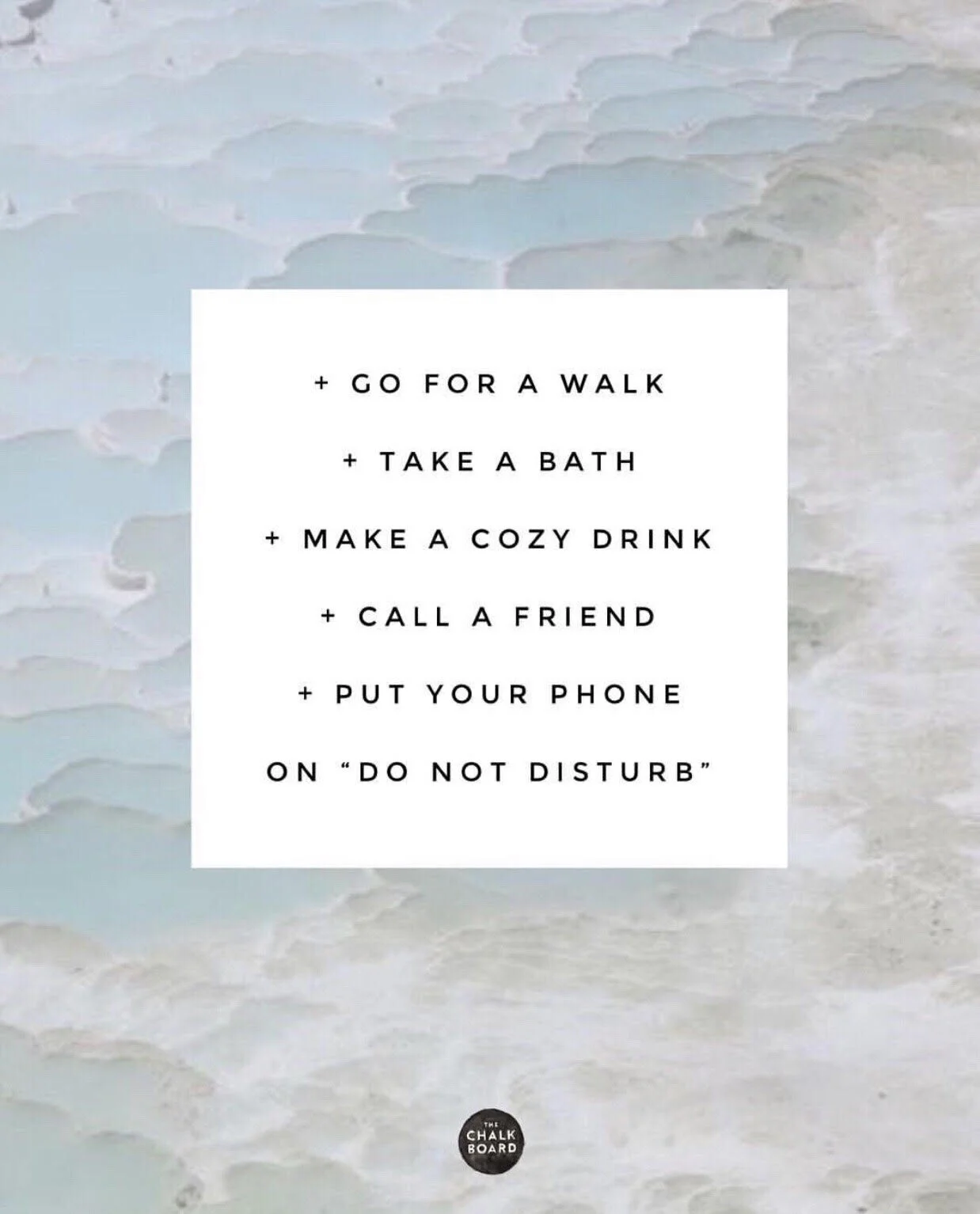
Thankfully there are plenty of inexpensive ways to practice it, such as:
GO FOR A WALK
TAKE A BATH (OR A NAP)
MAKE A COZY DRINK OR HEALTHY MEAL
WEAR YOUR FAVORITE OUTFIT
CALL A FRIEND OR FAMILY MEMBER
UNPLUG FROM SOCIAL MEDIA
SPEND TIME OUTDOORS & IN NATURE
WRITE A LIST OF THINGS YOU ARE GRATEFUL FOR
WATCH A FAVORITE SHOW OR READ A BOOK FOR PLEASURE
MEDITATE WITH A FREE APP LIKE CALM OR HEADSPACE
There are so many options! Find what works for you and regularly build it into your life.
So… What does self care mean to you?
. . .
Disclaimer: Information contained in this article is not meant to diagnose or treat any medical symptoms/condition. If you have any health concerns or an emergency, seek out medical attention. If you are a patient of ours with a health concern, contact us so we can help and make appropriate referrals as needed. If you have questions, feel free to reach out via email at empowerchiroacu@gmail.com. Thanks for reading!