

Acupuncture for Anxiety
Anxiety is a symptom. It’s a normal reaction to abnormally stressful situations yet it’s exploded as the diagnosis of our nation. Find out how Acupuncture treats the root causes to anxiety plus the science behind why this ancient medical practice is so naturally effective.
By DR. Lauren Dyer
DAC, LAC, DIPL. AC (NCCAOM)

It’s the diagnosis of a nation.
Anxiety eclipses depression as the most common mental health concern in the US, affecting 40 million adults. Given the current state of affairs, this number is without a doubt higher, affecting everyone in their own ways.
Even before these strange and uncertain times, anxiety has been on the rise.
The American Psychiatric Association ran a poll on 1,000 U.S. residents in 2017, and found that two thirds were “extremely or somewhat anxious about health and safety for themselves and their families and more than a third are more anxious overall than last year.” In 2018, poll was repeated and Anxiety had spiked by another 5 percent.
These findings are on par with Google Trends publishing how searches for anxiety doubled over the past five years.
Okay, so anxiety is more common than ever.
But what is it exactly?
Anxiety is an intense, excessive, and persistent worry and fear about everyday situations that interferes with daily life.
For some people, it’s more situation-based. For others, it’s an everyday struggle. Even if anxiety is common, that does not make it a disorder, or someone who has it mentally ill (more on that controversial topic and why I wholeheartedly disagree with that language here).
Anxiety is a symptom.
When not caused by nutrient deficiencies, imbalanced blood sugar, or a pharmaceutical side-effect, anxiety is a normal reaction to abnormally stressful and traumatic situations.
“Anxiety is a normal response to abnormally stressful or traumatic situations”
Like grief and anger, anxiety is part of the human experience that should not be deemed a disorder and stigmatized. Unfortunately there is still a lot of shame people feel around acknowledging they have anxiety, let alone choosing to seek help. If you are one of those people, I am writing this for you. You are not alone, nor can you expect yourself to “be positive” all of the time. Not only is that unrealistic, the pressure of trying to keep-up that facade just makes it worse. In my personal and professional opinion, what is realistic is reframing the way we as individuals, a culture, and healthcare system look at mental health.
Think about it…
What if instead of labeling anxiety a “mental disorder” that needs to be chemically managed, we considered it a symptom that can be healed?
If we did, treating it could be reframed too, with less emphasis on numbing your feelings, and mode on holistically addressing the root culprits and circumstances causing it in the first place.
“What if instead of labeling anxiety a mental disorder that needs to be chemically managed, we considered it a symptom that can be healed?”
Thankfully, there are branches of medicine doing just that: Functional Medicine, Naturopathic Medicine, Psychoneuroimmunology, and of course, Traditional Chinese Medicine (TCM).
The Mind-Body Connection in Eastern Medicine:
For centuries, Traditional Chinese Medicine (TCM) has known how interconnected the body, mind, and emotions are: how long-suppressed and intense can emotions can become trapped in the body, later showing up as physical health issues. Likewise, when an organ system is affected, its paired emotion will surface (think: alcohol’s effect on the liver, which for some drinkers leads to anger). You can learn more about the Emotion-Organ Relationship in a blog I wrote here.
Thousands of years ago, TCM practitioners may not have used the term “anxiety,” but they established that worry damages the Spleen and Stomach—what modern medicine now calls our Gut Microbiome. Or how fear weakens the Kidneys—which we today know how our adrenal glands (which rest on top of the Kidneys) release stress hormones when we feel threatened.
It’s no coincidence. TCM has always accepted how the mind affects the body, and vice versa.
So how does Acupuncture help with anxiety?
A Personalized Approach:
When supporting those with anxiety, my approach is personalized to you and your experience of it. Just as the reasons behind anxiety are different, the way it shows up in the body can be too—so why would I (let alone more conventional avenues) treat it as if they were the same?
As an Acupuncturist, one of the ways I identify the root causes comes from asking questions during your first appointment.
When you get anxious, do you experience:⠀⠀
a racing mind, especially at night?⠀⠀
night sweats or tossing/turning?⠀
palpitations worse when you’re tired?⠀⠀
chest tightness or pain? ⠀⠀
dizziness or trouble focusing?⠀⠀
full-on panic attacks? ⠀
a sensation of having a lump in your throat?⠀
easily frightened or indecisive?
a wave-like feeling in your gut? ⠀⠀
loose stools or stomach pain?⠀⠀
sadness or shortness of breath?⠀⠀
angry or irritable easily?
vivid or disturbing nightmares?⠀
I also make sure to ask:
If there is a history of trauma (if so, only share what you are comfortable with)
What your diet is like (to rule out any potential nutrient deficiencies)
What medications you are on (to rule out if there is a side-effect taking place)
Each answer tells me something different about how anxiety is impacting your internal health.
It also signals to me which Acupuncture points to select, foods or herbs to suggest, etc.
Let’s say 10 people have anxiety—but the ways it shows up in their body, the events that have shaped its emergence, their associated symptoms and triggers can be (and often are) vastly different. As a result, there will be 10 different diagnoses and they will each receive 10 totally different treatments, all tailored to their needs.
This is one of the reasons Acupuncture is as effective as it is at alleviating anxiety: it is far from a one-size fits all approach.
By understanding your unique constitution, Acupuncture addresses the root causes behind your anxiety while treating the unique physical symptoms that arise with it.
The Science Behind It:
If you are curious about the how Acupuncture improves anxiety, check out this research:
IT REGULATES YOUR STRESS RESPONSE Via HEart rate variability
One of the most sensitive measures of the body’s ability to cope with stress is something called your Heart Rate Variability (HRV). Unlike heart rate which is the number of beats per minute, HRV is the time in between each beat. HRV measures how well your nervous system adapts to stress.
HRV is measured in the heart, but it originates in the Autonomic branch of your Nervous System which controls your sympathetic (fight-or-flight) and parasympathetic (rest-and-digest) responses.
When HRV is high, it means your nervous system is balanced—your body can adapt to stress in your environment. A high HRV is desirable because it means your brain can switch between being on high-alert and calm at appropriate times. This can look like being able to fall asleep easily when it’s time for bed and having the energy to focus at work during the day. With anxiety these can be hard to come by.
When HRV is low, it means one branch is dominating (usually the sympathetic) and sending stronger signals to your heart/organs than the other. It means your body is working on overdrive to maintain its daily functions, which leaves fewer resources for exercising, caregiving, or whatever your daily activities require. A low HRV is common if you have chronic anxiety because your body is stuck in survival mode, even when a trigger is not immediately present.
The good news is, Acupuncture has been shown to improve the body’s ability to cope with stress and lower anxiety by improving HRV:
“In patients with mild depression or anxiety, verum acupuncture but not sham acupuncture was associated with significant reductions from baseline in mean resting heart rate at 5 and 15 min after needle application…These results suggest that verum acupuncture modulates autonomic activity in response to alterations of internal and external environments, and thus reduces overall anxiety in patients with depression or anxiety.” (MacDonald, 2019)
IT RELEASES ENDORPHINS
A summary of clinical findings on Acupuncture for anxiety details how:
“When the body is under stress, an area of the brain called the hypothalamus releases neurochemicals and research shows that acupuncture can calm this response. Acupuncture has also been shown to increase the release of endorphins, the body’s own ‘feel-good’ chemicals, which play an important role in the regulation of physical and emotional stress responses such as pain, heart rate, blood pressure and digestive function. All of these mechanisms have a direct effect on reducing anxiety.”
By releasing endogenous (self-made) pain-relieving opioids and feel-good endorphins, Acupuncture supports your body’s ability to restore, regulate, and heal itself in the ways it needs—drug-free.
IMPROVES SLEEP
Quality sleep is hard to maintain when your mind can never shut off.
A literature review on Acupuncture for psychiatric conditions reported that it significantly improved sleep quality in patients with anxiety related insomnia. One of the studies cited reported that after treatment, “urine 6-sulfatoxymelatonin (a metabolite of melatonin) levels were normalized and several polysomnographic measures, as well as self-reported fatigue, sleepiness, anxiety, and level of depression, were significantly improved. Combined with the evidence of treatment efficacy in depression-related insomnia, acupuncture may have broader utility in neuropsychiatric disorders with impaired quality of sleep.”
Whether you have trouble falling asleep, staying asleep, or wake at the same time every night (the reason why can be found by looking at the TCM Body Clock), an Acupuncturist can help determine what imbalances are present to give you a specific treatment geared towards your symptoms.
IT Supports gut health
It is estimated that your gut bacteria produce about 95 percent of your body's serotonin, the neurotransmitter that influences both mood and gastro-intestinal activity (American Psychological Association). 95 percent!
This discovery has prompted a new area of research in what is called the Gut-Brain Connection. As novel as it seems, it confirms what Traditional Chinese Medicine has known for centuries about the mind-body connection. Gut feelings are no longer just a saying, they’re real.
Given how rich the gut is in bacteria and nerve fibers, it has been called a second brain—the enteric nervous system. The current evidence reveals that contrary to popular belief, the brain is not solely responsible for dictating the body’s activities. Instead, the gut-brain communication goes both ways:
“While doctors have always known that mental conditions such as stress and anxiety can lead to gastrointestinal issues – butterflies in your stomach for example, or stress-induced loose stools or nausea – increasingly it seems that the cause-and-effect relationship between mental state and gastrointestinal state may work in reverse, as well. An upset gut (ie. inflammation) can trigger changes in our mental state, suggesting that an upset in the balance of gastrointestinal (bacteria and) function could conversely be sending signals to your brain that cause neurological and emotional symptoms such as depression, anxiety and mood swings.” (Lanyon 2019)
Digestive complaints such as poor appetite, abdominal pain, nausea, and irregular elimination are some of the most common symptoms I see in patients that come in for anxiety. Thankfully, Acupuncture has been shown to have positive effects on these symptoms, especially for Irritable Bowel Syndrome (IBS) where a meta-analysis demonstrated Acupuncture’s effectiveness to be clinically and statistically significant.
SIGNALS OF SAFETY
In light of the many ways the scientific community can explain how Acupuncture helps anxiety, I have my own view that sums them up:
I like to think of Acupuncture as giving your body signals of safety.
By figuratively tapping into the nervous system, Acupuncture gives your mind and body the stillness to deliver the message that “I am safe, I am okay, I can re-balance now” so it can do just that. Along with mobilizing your body’s own resources, bloodflow, and neuro-endocrine signals, Acupuncture can help you reclaim a sense of calm and resilience to withstand future stress.
If you want to experience it for yourself and are someone who:
Has tried anti-anxiety medications in the past but found they didn’t work for you
Has tried anti-anxiety medications but didn’t like they way they made you feel or taking them lead to unwanted side-effects
Wants to taper-off your medication while having a natural therapy to support you during that process (Do not discontinue or adjust any medications without talking to your prescribing doctor first.)
Wants a dual physical and energetic medicine to compliment counseling sessions you attend, with the option to coordinate care with your therapist
Wants to avoid medications
Has “tried everything else”
Has been dismissed by practitioners and wants a more compassionate and holistic support system that ultimately puts you in the driver seat of reclaiming your health
Wants strategies and recommendations for anxiety that are meant to support long-term relief rather than a superficial quick-fix
I would be happy to support you.
Ready to get started?
Have questions?

Hi, I’m Lauren Dyer.
I am the Co-Founder and Doctor of Acupuncture here at Empower in New Gloucester, Maine.
I specialize in supporting those with Chronic Pain, Emotional + Mental Wellness, and GI health.
In Traditional Chinese Medicine, these are areas that not only relate to and reflect one another, but are also close to my heart. I consider myself lucky because I truly love Acupuncture and what I do. Getting to connect with others while empowering them to live with a renewed sense of relief, inner peace, and vitality are some of my greatest joys.
So if you are struggling with chronic pain, anxiety, depression, sleep issues, the residual effects of trauma, a difficult transition, or other related symptoms, I am here to help you navigate and own your healing process.
SOURCES:
Amorim D; Amado J; Brito I; Fiuza SM. (2018, May). Acupuncture and Electroacupuncture for Anxiety Disorders: A Systematic Review of the Clinical Research. Retrieved from https://pubmed.ncbi.nlm.nih.gov/29705474/
Campos, M. (2017, November 22). Harvard Health Blog, “Heart rate variability: A new way to track well-being.” Retrieved from https://www.health.harvard.edu/blog/heart-rate-variability-new-way-track-well-2017112212789
Chao, G.-Q., & Zhang, S. (2014, February 21). Frontiers In Genetics, “Effectiveness of acupuncture to treat irritable bowel syndrome: A Meta-Analysis.” Retrieved from https://www.ncbi.nlm.nih.gov/pmc/articles/PMC3930986/
Cheng-Hao, MacDonald, Chen, Yi-Hung, & Iona. (2019, January 10). Frontiers in Psychiatry, “The Effects of Acupuncture on Glutamatergic Neurotransmission in Depression, Anxiety, Schizophrenia, and Alzheimer's Disease: A Review of the Literature. Retrieved from https://www.frontiersin.org/articles/10.3389/fpsyt.2019.00014/full
Lanyon, C. (2019, August 19). “What TCM has known for centuries: 'New' Brain-Gut Connection.” South China Morning Post. Retrieved from https://www.scmp.com/lifestyle/health-wellness/article/3022925/brain-gut-connection-how-tcm-has-known-centuries-what
Russel, D., et al. (n.d.). Acupuncture as a Therapeutic Treatment for Anxiety. Retrieved from https://www.evidencebasedacupuncture.org/present-research/acupuncture-anxiety/

Zombies, Liver Toxicity, and Leaky Gut: Why Painkillers Should Have New Warning Labels
As popular as Tylenol, Advil, and other common pain killers are, they are not as harmless as our culture has lead us to believe. Learn about the lesser-known, surprising, and severe ways these these tiny pills affect our bodies and brains.
By Dr. Lauren Dyer
(DAC, LAC, DIPL. AC - NCCAOM)

“Just take a Tylenol.”
You hear it in commercials, in conversation with co-workers, family, and friends—maybe you were told this since childhood so now you don’t even question it. But should you? Why be in pain if you don’t have to? Isn’t it harmless?
The short answer is no. Tylenol, Advil, and other common pain killers are not as benign as we have been culturally indoctrinated to believe. Just because they are available over-the-counter does not make them safe or safer than prescription opioids. Recent studies show that even the suggested dose can cause harm to our bodies and negatively affect our mental + emotional health.
Before we get into that, here are some things to keep in mind...
The main ingredient in Tylenol is acetaminophen. It is the most common drug compound in the United States, found in over 600 medicines. It is estimated that 23% of the population (about 52 million American adults) takes a medicine containing acetaminophen a week.
If it’s so popular, what’s the big deal, right?
For starters, acetominophen is the #1 cause of acute liver failure in America, with a little over 110,000 injuries and deaths linked to Tylenol (and its generic versions) annually. By impairing the liver’s ability to detoxify chemicals ingested, even the “safe” suggested dose poses a risk.
Tylenol’s toxicity is linked to depleting glutathione, an essential antioxidant responsible for managing free radicals and inflammation in the body. Given how vital glutathione is for brain health, it’s no wonder that ingesting Tylenol blunts our emotions—limiting our ability to feel pleasure or pain just one hour after use. This observation was so startling that researchers called it a “zombification” effect.
That’s right.
Zombies.
Tylenol figuratively turns us into the undead by diminishing our sentience.
A 2015 study from Ohio State University had half of its participants take 1,000mg of Tylenol while the rest took a placebo. After one hour each group was shown pleasant and disturbing photos. In both scenarios, those who took Tylenol had lower sensitivity and emotion ratings compared to those who took a placebo.
For reference, 1,000mg is two Extra-Strength Tylenol pills, with the “safe” upper limit being 3,000mg. So the fact that a “normal” dose can exert that much of a physiological and psychological change is pretty alarming, if not totally disturbing.
The implications for how such a seemingly harmless drug contributes to “psychiatric-like” side effects such as depression, irritability, and apathy should not be ignored.
What About Anti-Inflammatory Drugs?
Unfortunately, Non-Steroidal Anti-Inflammatory Drugs (NSAIDS) like Motrin, Aleve, Advil, or Ibuprofen are not innocent either. In order to reduce aches and fevers, this class of drugs works by reducing the number of prostaglandins in the body—molecules that protect our gut lining, support inflammation needed for healing, and blood clotting. The result from habitual use? Increased gut permeability (aka “leaky gut” which sets-off an auto-immune response linked to chronic illness & psychiatric-like symptoms) ulcers, and intestinal bleeding.
Not everyone who takes NSAIDS will get side effects, but the odds are not in our favor. A 2005 study by Gastroenterologist Dr. David Graham used a small endoscopic camera to compare structural intestinal changes between NSAID users vs. non-users. He found that 71% of NSAID users had damage in the small intestine lining compared to 10% of non-users. The interesting but insidious fact was that nobody in the study reported GI symptoms, even though the damage was already done. For women it’s worth noting that NSAIDS interfere with hormone balance and fertility. Studies show they can inhibit ovulation and lower progesterone levels after just 10 days of use.
Now What?
On a personal and collective level, it’s time to re-consider our reflex to reach for Tylenol and other OTC pain-killers at the first sign of discomfort.
Instead of viewing our symptoms as inconveniences that need to be silenced, endured, or defeated, what if we appreciated them for how intelligent they are—that they communicate with us when something isn’t right. Slowing down and tuning inwards to listen to why they are appearing in the first place is the first step to healing them.
Understandably, you need to work, provide, and pain is incredibly inconvenient.
But is it worth the liver toxicity, numbing our humanity, while leaving us with an increased risk for chronic illnesses because the integrity of our intestinal lining has been compromised? Let’s not forget, once the drugs wear off, the pain inevitably returns.
What would you rather do?
A Better Way…
If you want pain relief that is safe, natural, and evidence-based, you can consider:
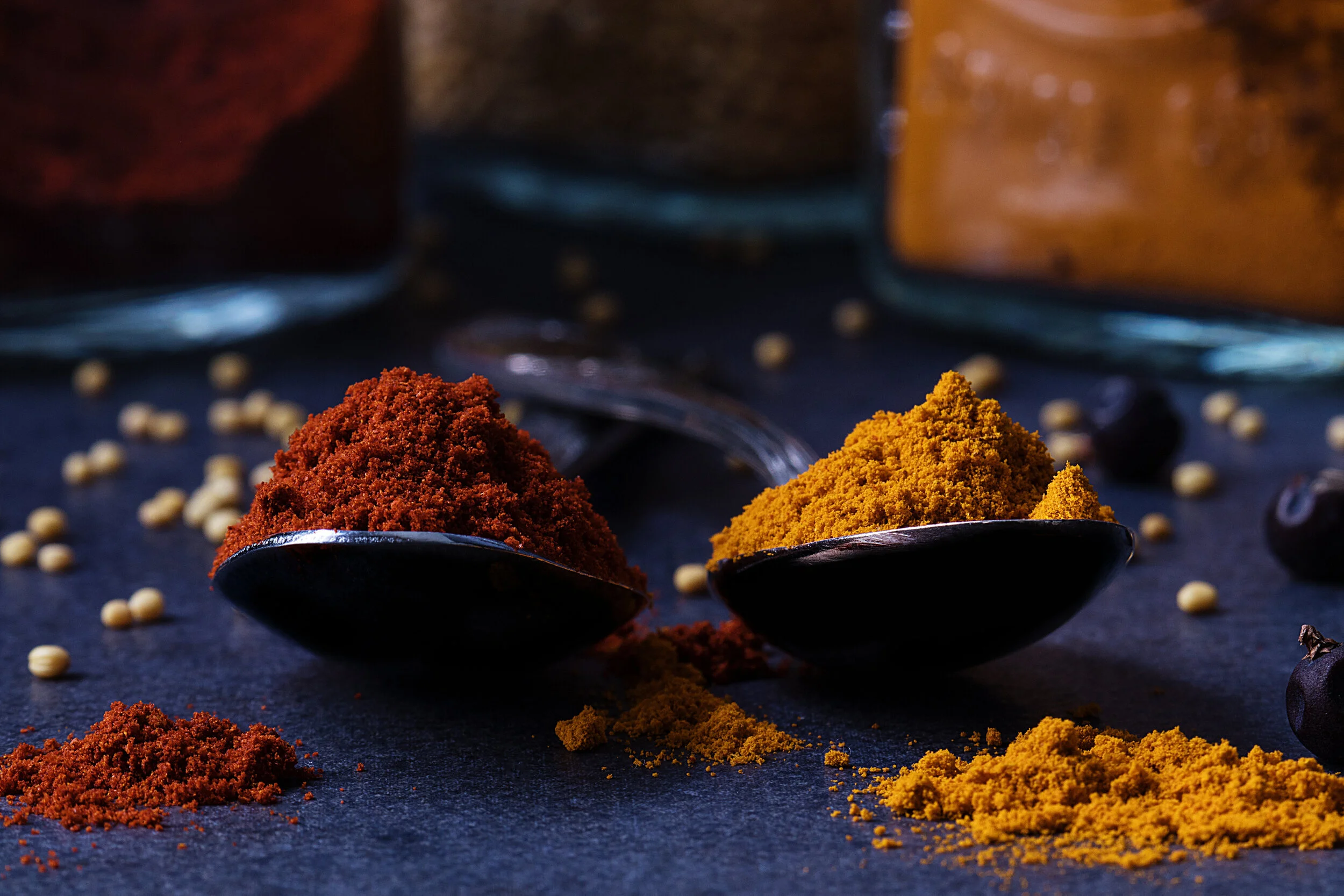
TUMERIC
For centuries tumeric has been known as a medicinal herb in Chinese Medicine and Ayurveda for its anti-inflammatory properties. I suggest patients add it to their cooking or supplement with it regularly for preventative measure.
CURCUMIN
Curcumin is tumeric extract, as its the active ingredient that rivals NSAIDS at decreasing inflammation. Studies show it can be used for general pain, osteoarthritis, menstrual cramping, post-operative pain and more.
Be sure to talk with your healthcare providers before taking any supplements.
CHIROPRACTIC
SHARYN PEAVEY PHOTOGRAPHY
Our Chiropractic care is comprehensive. Instead of just relying on joint manipulations, we look at the bigger picture of how your muscles, movement patterns, relate to your pain. When you collaborate with us, we will give you the tools and knowledge to understand these relationships, plus how to prevent and improve your pain beyond your appointments.
By helping you take your pain and healing process into your own hands, our patients see quicker results with longer-lasting relief.
These are some of the reasons why we are not your average Chiropractor.
ACUPUNCTURE

By mobilizing the body’s healing response, promoting the release of endorphins and endogenous opiates (your body’s own pain-killers), and regulating your brain’s stress response, Acupuncture works on both the body and mind to creates a solid foundation for sustainable relief.
Through our integrative and holistic approach, we can identify and treat the root causes to your pain—allowing for a complete healing process with lasting relief rather than masking it.
Learn more about Acupuncture for chronic pain, mental health, and related conditions in this overview of scientific research here.
So next time someone says “just take a Tylenol,” weigh its effects, do your own research, and talk to your healthcare provider so you can make the most informed decision for your well-being.
To learn more about how we can manage your pain safely and effectively, reach out with any questions.

SHARYN PEAVEY PHOTO
Hi, I’m Lauren Dyer, the Co-Founder and Doctor of Acupuncture here at Empower in New Gloucester, Maine.
I specialize in supporting those for Chronic Pain Management and Mental/Emotional Well-Being. In Traditional Chinese Medicine, these are areas that not only relate to and reflect one another, but are also close to my heart. I consider myself lucky because I truly love Acupuncture and what I do. Getting to connect with others while empowering them to live with a renewed sense of relief, inner peace, and vitality are some of my greatest joys. So if you are struggling with chronic pain, anxiety, depression, sleep issues, the residual effects of trauma, a difficult transition, or other related symptoms, I am here to help you navigate and own your healing process.
DISCLAIMER:
This article is for educational purposes only. We are not responsible or claiming to be responsible for any recommendations regarding the continuation or discontinuation of any of the pharmaceutical drugs mentioned. The information presented in this article is not meant to diagnose or replace the treatment for any medical condition. Please seek out professional care as needed.
SOURCES
A Mind of Your Own and Own Yourself by Dr. Kelly Brogan, MD
“Visible Small Intestine Mucosal Injury in Chronic NSAID Users” PMID: 15645405
“Curcumin” on Examine.com (Science-Based Nutrition & Supplement Information)
Acupuncture for Pain Relief: Research Summaries on Evidence-Based-Acupuncture

Can Your Joints Predict The Weather?
Joint pain? Achey muscles? Arthritis? Learn what it means when your pain flares up with the specific weather patterns in Chinese Medicine and how Acupuncture can manage your pain naturally.
Dr. Lauren Dyer

You know when it’s coming…
The rain, the next cold-front, or maybe the hot and humid weather bother you more instead. When the aches and pains first started, you suspected the weather might have a role to play, but by this point the connection is clear—and it’s not enough to blame the barometric pressure. The good news is, Chinese Medicine has understood and validated the relationship between how the environment affects our bodies and health for centuries.
If your pain is worse with certain weather patterns, this is an important diagnostic clue. Understanding the types of weather that your pain worse is one of the many ways Traditional Chinese Medicine TCM) looks beyond your symptoms and conventional diagnosis to treat the root cause(s) to your pain.
So what can it mean when your pain flares up with windy, damp, cold, or hot weather?
This can point to a Painful Obstruction (Bi) Syndrome.
PAINFUL OBSTRUCTION SYNDROME
In TCM, there is a saying: “where there is free flow, there is no pain; where there is a lack of free flow, there is pain.” Painful Obstruction or Bi Syndrome refers to acute or chronic pain and stiffness in the musculo-skeletal system (bones, joints, tendons, ligaments, muscles) due to the obstructed flow (stagnation) of qi and blood. With Bi Syndrome, there can be varying qualities of pain, numbness, tingling, heaviness, swelling, sensations of heat or coolness, and decreased mobility. However, a defining quality is pain that is worse with the presence of natural elements: WIND, DAMP, COLD, and HEAT.
What Causes IT?
Our bodies are reflections of our external environment, and they are always adapting to keep up with day-to-day and seasonal changes. Just like how viruses, bacteria, and allergens are key culprits for externally-contracted illness conventional medicine, in TCM, our environment, and the elements that define it, can become pathogenic as well. These elements are more likely to “invade” and become generated internally from:
Prolonged exposure from living, working, or exercising in a certain climate
Acute exposure from dressing inadequately for the weather
Weak digestion, poor appetite, dietary influences
Overuse of antibiotics, anti-inflammatory (“pain-killers”), Proton Pump Inhibitors (PPI), etc.
Genetic predisposition; lowered immune resistance
Overwork (physically + mentally) as well as insufficient exercise; poor ergonomics
Direct Injury (creates blood stasis) or Post-Surgical Pain (build-up of scar tissue and/or use of metal internally)
In summary, Painful Obstruction can affect individuals who are both chronically stressed and suffer from Qi + Blood Stagnation as well as those with a Qi + Blood Deficiency, each of which creates an environment for pathogens to invade and become lodged in the body.
CONVENTIONAL CONDITIONS THAT ARE RELATED
From a biomedical perspective, Bi Syndrome can correspond with:
injury due to biomechanical strain
Osteoarthritis
Tendonitis
Bursitis
Fibromyalgia
Carpal Tunnel syndrome
Sciatica
degenerative joint disease
Gout
Scleroderma
Ankylosing Spondylitis
Rheumatoid + Psoriatic arthritis, and more
(Please note this is not an exhaustive list)
TYPES OF BI syndrome
Chinese Medicine requires careful differential diagnosis to specify the underlying causes and pathogens causing the painful obstruction in the first place. As mentioned above, there are both internal and external causes that can contribute to Bi Syndrome, as well as different patterns based on the location and nature of the painful obstruction. What follows is a generalized pattern differentiation according to the most common Bi Syndromes due to external pathogens in TCM.
WIND BI: Pain comes and goes, rapidly moving to different parts of the body; creates stiffness with limited range of motion. The location is not-fixed. Wind makes the pain worse. Because this type moves of Bi from area to area, it is also known as "Wandering Bi."
COLD BI: Pain is constant, severe, tight, or sharp in nature; it is fixed in location. Cold temperatures worsen the condition, and warmth improves it. You might have an aversion to cold. Because this type of Bi usually results in severe pain, it is also known as "Painful Bi."
DAMP BI: Pain is characterized as soreness, dull, achy, and throbbing. Dampness tends to linger and sink in nature: there might be swelling in the skin, muscles, and joints, especially in the knees and ankles. Pain can also be accompanied by sensations of heaviness or numbness. The pain tends to remain fixed. Dampness worsens the condition and you usually have an aversion to rainy, humid weather because of it.
HEAT BI: Heat predominates when a Wind-Cold-Damp pathogen becomes entrapped over time, creating a move severe form of qi stagnation—qi constraint. When constraint forms it festers, and unable to “vent” or be released, it generates heat internally. Heat Bi is characterized by inflamed, red, swollen joints. You might have an aversion to heat since that makes the pain worse.
Bi Syndromes can develop as combinations, such as Wind-Cold, Cold-Damp, Damp-Heat, Wind-Heat, etc. Only a Licensed Acupuncturist can accurately diagnose Painful Obstruction Syndrome and differentiate which type of Bi you have, if any shared above.

ACUPUNCTURE FOR HOLISTIC PAIN RELIEF
There is a dire need to manage pain more holistically in our healthcare system. Between the Opioid Crisis, emerging evidence on the dangers of steroid injections, and a culture where popping pills is a reflex at the first sign of discomfort, the status quo is problematic because it promotes superficial symptom support—not healing. I am grateful to be able to share this medicine with others, because it can be a transformative experience when you allow yourself to tune into what your body is telling you through our symptoms. It is with this awareness that we can begin to address the root of the issues you are experiencing instead of settling for “quick-fixes” with potentially harmful side effects. Whether you are considering Acupuncture as your first-choice or last-resort, at our practice we will help you navigate your health with personalized care—giving you the resources and tools to improve your pain beyond your treatments and time working together. That is how we strive to give you a foundation for long-term wellness and sustainable pain relief.
“I have had neck pain from arthritis that became excessive from a fall and now I can say I am pain free thanks to the treatments of Dr. Lauren Dyer. My everyday is more comfortable. I had some strong doubts of any improvement because arthritis is not curable but have been shown it can be improved. I will recommend her to evaluate any concerns. Very personal treatment plan for each need. I am very happy having gone to Empower!”
You are more than your pain.
You are more than your diagnosis.
Just because you have been told you have a condition does not mean you need to live with it, or in pain, for the rest of your life.
If you are ready to start feeling better, I would be happy to connect with you.