

Acupuncture for Anxiety
Anxiety is a symptom. It’s a normal reaction to abnormally stressful situations yet it’s exploded as the diagnosis of our nation. Find out how Acupuncture treats the root causes to anxiety plus the science behind why this ancient medical practice is so naturally effective.
By DR. Lauren Dyer
DAC, LAC, DIPL. AC (NCCAOM)

It’s the diagnosis of a nation.
Anxiety eclipses depression as the most common mental health concern in the US, affecting 40 million adults. Given the current state of affairs, this number is without a doubt higher, affecting everyone in their own ways.
Even before these strange and uncertain times, anxiety has been on the rise.
The American Psychiatric Association ran a poll on 1,000 U.S. residents in 2017, and found that two thirds were “extremely or somewhat anxious about health and safety for themselves and their families and more than a third are more anxious overall than last year.” In 2018, poll was repeated and Anxiety had spiked by another 5 percent.
These findings are on par with Google Trends publishing how searches for anxiety doubled over the past five years.
Okay, so anxiety is more common than ever.
But what is it exactly?
Anxiety is an intense, excessive, and persistent worry and fear about everyday situations that interferes with daily life.
For some people, it’s more situation-based. For others, it’s an everyday struggle. Even if anxiety is common, that does not make it a disorder, or someone who has it mentally ill (more on that controversial topic and why I wholeheartedly disagree with that language here).
Anxiety is a symptom.
When not caused by nutrient deficiencies, imbalanced blood sugar, or a pharmaceutical side-effect, anxiety is a normal reaction to abnormally stressful and traumatic situations.
“Anxiety is a normal response to abnormally stressful or traumatic situations”
Like grief and anger, anxiety is part of the human experience that should not be deemed a disorder and stigmatized. Unfortunately there is still a lot of shame people feel around acknowledging they have anxiety, let alone choosing to seek help. If you are one of those people, I am writing this for you. You are not alone, nor can you expect yourself to “be positive” all of the time. Not only is that unrealistic, the pressure of trying to keep-up that facade just makes it worse. In my personal and professional opinion, what is realistic is reframing the way we as individuals, a culture, and healthcare system look at mental health.
Think about it…
What if instead of labeling anxiety a “mental disorder” that needs to be chemically managed, we considered it a symptom that can be healed?
If we did, treating it could be reframed too, with less emphasis on numbing your feelings, and mode on holistically addressing the root culprits and circumstances causing it in the first place.
“What if instead of labeling anxiety a mental disorder that needs to be chemically managed, we considered it a symptom that can be healed?”
Thankfully, there are branches of medicine doing just that: Functional Medicine, Naturopathic Medicine, Psychoneuroimmunology, and of course, Traditional Chinese Medicine (TCM).
The Mind-Body Connection in Eastern Medicine:
For centuries, Traditional Chinese Medicine (TCM) has known how interconnected the body, mind, and emotions are: how long-suppressed and intense can emotions can become trapped in the body, later showing up as physical health issues. Likewise, when an organ system is affected, its paired emotion will surface (think: alcohol’s effect on the liver, which for some drinkers leads to anger). You can learn more about the Emotion-Organ Relationship in a blog I wrote here.
Thousands of years ago, TCM practitioners may not have used the term “anxiety,” but they established that worry damages the Spleen and Stomach—what modern medicine now calls our Gut Microbiome. Or how fear weakens the Kidneys—which we today know how our adrenal glands (which rest on top of the Kidneys) release stress hormones when we feel threatened.
It’s no coincidence. TCM has always accepted how the mind affects the body, and vice versa.
So how does Acupuncture help with anxiety?
A Personalized Approach:
When supporting those with anxiety, my approach is personalized to you and your experience of it. Just as the reasons behind anxiety are different, the way it shows up in the body can be too—so why would I (let alone more conventional avenues) treat it as if they were the same?
As an Acupuncturist, one of the ways I identify the root causes comes from asking questions during your first appointment.
When you get anxious, do you experience:⠀⠀
a racing mind, especially at night?⠀⠀
night sweats or tossing/turning?⠀
palpitations worse when you’re tired?⠀⠀
chest tightness or pain? ⠀⠀
dizziness or trouble focusing?⠀⠀
full-on panic attacks? ⠀
a sensation of having a lump in your throat?⠀
easily frightened or indecisive?
a wave-like feeling in your gut? ⠀⠀
loose stools or stomach pain?⠀⠀
sadness or shortness of breath?⠀⠀
angry or irritable easily?
vivid or disturbing nightmares?⠀
I also make sure to ask:
If there is a history of trauma (if so, only share what you are comfortable with)
What your diet is like (to rule out any potential nutrient deficiencies)
What medications you are on (to rule out if there is a side-effect taking place)
Each answer tells me something different about how anxiety is impacting your internal health.
It also signals to me which Acupuncture points to select, foods or herbs to suggest, etc.
Let’s say 10 people have anxiety—but the ways it shows up in their body, the events that have shaped its emergence, their associated symptoms and triggers can be (and often are) vastly different. As a result, there will be 10 different diagnoses and they will each receive 10 totally different treatments, all tailored to their needs.
This is one of the reasons Acupuncture is as effective as it is at alleviating anxiety: it is far from a one-size fits all approach.
By understanding your unique constitution, Acupuncture addresses the root causes behind your anxiety while treating the unique physical symptoms that arise with it.
The Science Behind It:
If you are curious about the how Acupuncture improves anxiety, check out this research:
IT REGULATES YOUR STRESS RESPONSE Via HEart rate variability
One of the most sensitive measures of the body’s ability to cope with stress is something called your Heart Rate Variability (HRV). Unlike heart rate which is the number of beats per minute, HRV is the time in between each beat. HRV measures how well your nervous system adapts to stress.
HRV is measured in the heart, but it originates in the Autonomic branch of your Nervous System which controls your sympathetic (fight-or-flight) and parasympathetic (rest-and-digest) responses.
When HRV is high, it means your nervous system is balanced—your body can adapt to stress in your environment. A high HRV is desirable because it means your brain can switch between being on high-alert and calm at appropriate times. This can look like being able to fall asleep easily when it’s time for bed and having the energy to focus at work during the day. With anxiety these can be hard to come by.
When HRV is low, it means one branch is dominating (usually the sympathetic) and sending stronger signals to your heart/organs than the other. It means your body is working on overdrive to maintain its daily functions, which leaves fewer resources for exercising, caregiving, or whatever your daily activities require. A low HRV is common if you have chronic anxiety because your body is stuck in survival mode, even when a trigger is not immediately present.
The good news is, Acupuncture has been shown to improve the body’s ability to cope with stress and lower anxiety by improving HRV:
“In patients with mild depression or anxiety, verum acupuncture but not sham acupuncture was associated with significant reductions from baseline in mean resting heart rate at 5 and 15 min after needle application…These results suggest that verum acupuncture modulates autonomic activity in response to alterations of internal and external environments, and thus reduces overall anxiety in patients with depression or anxiety.” (MacDonald, 2019)
IT RELEASES ENDORPHINS
A summary of clinical findings on Acupuncture for anxiety details how:
“When the body is under stress, an area of the brain called the hypothalamus releases neurochemicals and research shows that acupuncture can calm this response. Acupuncture has also been shown to increase the release of endorphins, the body’s own ‘feel-good’ chemicals, which play an important role in the regulation of physical and emotional stress responses such as pain, heart rate, blood pressure and digestive function. All of these mechanisms have a direct effect on reducing anxiety.”
By releasing endogenous (self-made) pain-relieving opioids and feel-good endorphins, Acupuncture supports your body’s ability to restore, regulate, and heal itself in the ways it needs—drug-free.
IMPROVES SLEEP
Quality sleep is hard to maintain when your mind can never shut off.
A literature review on Acupuncture for psychiatric conditions reported that it significantly improved sleep quality in patients with anxiety related insomnia. One of the studies cited reported that after treatment, “urine 6-sulfatoxymelatonin (a metabolite of melatonin) levels were normalized and several polysomnographic measures, as well as self-reported fatigue, sleepiness, anxiety, and level of depression, were significantly improved. Combined with the evidence of treatment efficacy in depression-related insomnia, acupuncture may have broader utility in neuropsychiatric disorders with impaired quality of sleep.”
Whether you have trouble falling asleep, staying asleep, or wake at the same time every night (the reason why can be found by looking at the TCM Body Clock), an Acupuncturist can help determine what imbalances are present to give you a specific treatment geared towards your symptoms.
IT Supports gut health
It is estimated that your gut bacteria produce about 95 percent of your body's serotonin, the neurotransmitter that influences both mood and gastro-intestinal activity (American Psychological Association). 95 percent!
This discovery has prompted a new area of research in what is called the Gut-Brain Connection. As novel as it seems, it confirms what Traditional Chinese Medicine has known for centuries about the mind-body connection. Gut feelings are no longer just a saying, they’re real.
Given how rich the gut is in bacteria and nerve fibers, it has been called a second brain—the enteric nervous system. The current evidence reveals that contrary to popular belief, the brain is not solely responsible for dictating the body’s activities. Instead, the gut-brain communication goes both ways:
“While doctors have always known that mental conditions such as stress and anxiety can lead to gastrointestinal issues – butterflies in your stomach for example, or stress-induced loose stools or nausea – increasingly it seems that the cause-and-effect relationship between mental state and gastrointestinal state may work in reverse, as well. An upset gut (ie. inflammation) can trigger changes in our mental state, suggesting that an upset in the balance of gastrointestinal (bacteria and) function could conversely be sending signals to your brain that cause neurological and emotional symptoms such as depression, anxiety and mood swings.” (Lanyon 2019)
Digestive complaints such as poor appetite, abdominal pain, nausea, and irregular elimination are some of the most common symptoms I see in patients that come in for anxiety. Thankfully, Acupuncture has been shown to have positive effects on these symptoms, especially for Irritable Bowel Syndrome (IBS) where a meta-analysis demonstrated Acupuncture’s effectiveness to be clinically and statistically significant.
SIGNALS OF SAFETY
In light of the many ways the scientific community can explain how Acupuncture helps anxiety, I have my own view that sums them up:
I like to think of Acupuncture as giving your body signals of safety.
By figuratively tapping into the nervous system, Acupuncture gives your mind and body the stillness to deliver the message that “I am safe, I am okay, I can re-balance now” so it can do just that. Along with mobilizing your body’s own resources, bloodflow, and neuro-endocrine signals, Acupuncture can help you reclaim a sense of calm and resilience to withstand future stress.
If you want to experience it for yourself and are someone who:
Has tried anti-anxiety medications in the past but found they didn’t work for you
Has tried anti-anxiety medications but didn’t like they way they made you feel or taking them lead to unwanted side-effects
Wants to taper-off your medication while having a natural therapy to support you during that process (Do not discontinue or adjust any medications without talking to your prescribing doctor first.)
Wants a dual physical and energetic medicine to compliment counseling sessions you attend, with the option to coordinate care with your therapist
Wants to avoid medications
Has “tried everything else”
Has been dismissed by practitioners and wants a more compassionate and holistic support system that ultimately puts you in the driver seat of reclaiming your health
Wants strategies and recommendations for anxiety that are meant to support long-term relief rather than a superficial quick-fix
I would be happy to support you.
Ready to get started?
Have questions?

Hi, I’m Lauren Dyer.
I am the Co-Founder and Doctor of Acupuncture here at Empower in New Gloucester, Maine.
I specialize in supporting those with Chronic Pain, Emotional + Mental Wellness, and GI health.
In Traditional Chinese Medicine, these are areas that not only relate to and reflect one another, but are also close to my heart. I consider myself lucky because I truly love Acupuncture and what I do. Getting to connect with others while empowering them to live with a renewed sense of relief, inner peace, and vitality are some of my greatest joys.
So if you are struggling with chronic pain, anxiety, depression, sleep issues, the residual effects of trauma, a difficult transition, or other related symptoms, I am here to help you navigate and own your healing process.
SOURCES:
Amorim D; Amado J; Brito I; Fiuza SM. (2018, May). Acupuncture and Electroacupuncture for Anxiety Disorders: A Systematic Review of the Clinical Research. Retrieved from https://pubmed.ncbi.nlm.nih.gov/29705474/
Campos, M. (2017, November 22). Harvard Health Blog, “Heart rate variability: A new way to track well-being.” Retrieved from https://www.health.harvard.edu/blog/heart-rate-variability-new-way-track-well-2017112212789
Chao, G.-Q., & Zhang, S. (2014, February 21). Frontiers In Genetics, “Effectiveness of acupuncture to treat irritable bowel syndrome: A Meta-Analysis.” Retrieved from https://www.ncbi.nlm.nih.gov/pmc/articles/PMC3930986/
Cheng-Hao, MacDonald, Chen, Yi-Hung, & Iona. (2019, January 10). Frontiers in Psychiatry, “The Effects of Acupuncture on Glutamatergic Neurotransmission in Depression, Anxiety, Schizophrenia, and Alzheimer's Disease: A Review of the Literature. Retrieved from https://www.frontiersin.org/articles/10.3389/fpsyt.2019.00014/full
Lanyon, C. (2019, August 19). “What TCM has known for centuries: 'New' Brain-Gut Connection.” South China Morning Post. Retrieved from https://www.scmp.com/lifestyle/health-wellness/article/3022925/brain-gut-connection-how-tcm-has-known-centuries-what
Russel, D., et al. (n.d.). Acupuncture as a Therapeutic Treatment for Anxiety. Retrieved from https://www.evidencebasedacupuncture.org/present-research/acupuncture-anxiety/

Can Beauty Hurt? How Chemicals in Skincare + Cosmetics Can Impact Your Health
Switching to cleaner beauty goes beyond skin deep. Learn how chemicals in your skincare items can be harming your hormones, mood, and physical health—plus what you can do about it with these easy-to-implement tips.
BY Dr. Lauren dyer
DAC, LAC, DIPL. AC (NCCAOM)

Spring cleaning isn’t just for your closets or yard anymore. Have you ever thought of updating your skincare routine? This blog is all about why…
According to the Environmental Working Group (EWG)—a non-profit, non-partisan organization— “on average, women use 12 personal care products a day, exposing themselves to 168 chemical ingredients.” Men use six, exposing themselves to 85 unique chemicals.”
Think about that for a second...
How many do you apply a day?
Looking at the safety of cosmetics + everyday products is something I talk about with patients, especially if they are coming in with:
depression
anger + irritability
food/chemical sensitivities
headaches/migraines
pms-related symptoms
hormonal acne, hives, etc
waking from 1-3am regularly
Why am I calling out these symptoms?
They point to a root imbalance in the Liver.
Why does this matter?
It’s all connected. The chemicals in cosmetics + related products get absorbed into your skin and therefore, your bloodstream. Eventually they make their way to other other organs to be processed including, yep—your Liver.
LIVER HEALTH
The Liver is a known key detox organ. It filters your blood, breaking-down chemicals from food, drinks, drugs, plus personal/household products. It also helps keep your sex, thyroid, and adrenal hormones in check.
In TCM, we refer to these roles more broadly in saying the Liver ensures the free flow of qi and blood〰️When bombarded by chronic chemical exposure, my patients notice their mood, energy, skin, and hormones suffer.
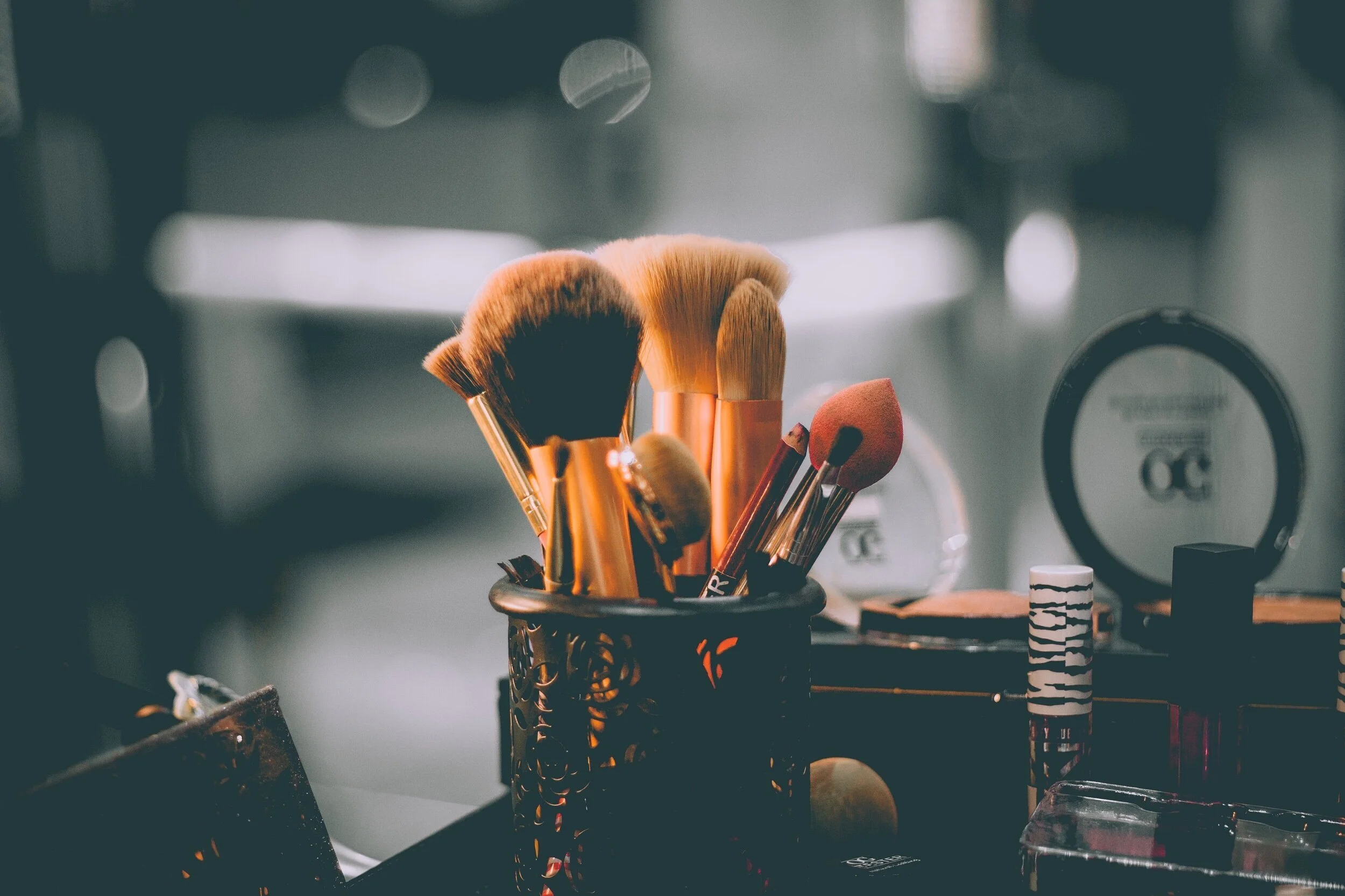
How clean are your cosmetics?
To determine how safe your products are, be weary of ingredients you cannot easily pronounce, including these known endocrine disruptors:
Formaldehyde and formalin (shampoos)
Synthetic “fragrance” and “parfum”
Parabens (methyl-, propyl-, isopropyl-)
Phthalates (DBP, DEHP, DEP and others)
Sodium lauryl sulfate (SLS) and others
Aluminum chlorohydrate (deodorants)
RESOURCES
Can’t remember this list? No problem.
There are mobile apps that let you look up your go-to products & their ingredients!
You can even scan items through your phone & compare safety ratings before you buy:
Here are some apps I recommend:
Think Dirty
GoodGuide
Healthy Living
For more information, visit the Environmental Working Group’s Skin-Deep Database.
My Top Clean Beauty Picks:
🌿 Beauty Counter
🌿 Neal’s Yard Remedies
🌿 Badger Balm
🌿 Primally Pure
Not affiliated, just love these brands.
Hope you found this blog helpful. If you are ready to start cleaning up your makeup routine, know that your liver, skin, and mood will thank you.

Why Do I Wake At the Same Time Every Night?
Trouble staying asleep? Ever wonder why you wake up like clockwork each night? It’s not random. Learn what The Chinese Medicine Body Clock has to say about what yours is trying to tell you.
BY DR. LAUREN DYER
“Not again…”
“Seriously?!…”
“Why this time?”
If your nocturnal alarm clock wakes you at the same time every night, the frustration is real. If you thought there’s a rhyme or reason behind it, you would be correct. It’s far from random and The Chinese Medicine Body Clock can explain why.
WHAT’s THE BODY CLOCK?
In Chinese Medicine our circadian rhythms are divided into 2-hour intervals across the 24-hour day. During each time frame, the concentration of qi (energy) and blood peak in a specific internal organ, giving it a chance to reset and regulate. This is important for sleep because:
Waking like clockwork means the organ governed by that time is imbalanced.
In other words, your body is basically working on overdrive to bring that organ back to a state of harmony. Likewise, chronically skimping on sleep from staying up too late can also disrupt that organ by not allowing it to process during its restorative time-frame. This can lead to a vicious cycle fairly quickly. So how do you break it? By listening to your body, to start.
When you are desperate to sleep, it’s common to try anything that seems like a quick fix or magic bullet. For many people I work with (before they tried Acupuncture) this meant taking heavy-duty medications or melatonin which lead to negative side effects, worsening sleep, or dependency in some cases (more on that later). But what if instead of fighting or suppressing your symptoms, you thought of them more like informative clues?
After all, your symptoms are how your body speaks to you when something isn’t right.
By paying attention to when they show up and reflecting on their root causes, you can begin to decipher what they mean.
This is why the Chinese Medicine Body Clock can be so useful: it highlights what organ systems are struggling and why.
Find the hours you are waking up to learn what your body might be trying to tell you…
WHAT’S BEHIND YOUR WAKE-UP CALL?
7PM - 9PM | PERICARDIUM
The Pericardium is the muscle that surrounds your heart. In TCM it is known as the “great wrapper.” It provides insulation for the heart, regulates circulation in the major vessels going to and from it, while also protecting the it from infection. Energetically the Pericardium is our heart’s protector. Like a body guard, it reads the room and decides what and who is safe be around. It guards the heart from everyday emotional fluctuations and shocking stimuli, making it the first to absorb emotional pain and stress. The Pericardium rules self-expression, boundaries, and vulnerability.
EMOTIONS
Balanced: Joy, Confidence, Openness, Self Acceptance
Imbalanced: Mania, Despair, Fear of Expression & Intimacy
Symptoms
Nervous laughter, Hypervigilance, Phobias, Nausea, Vomiting, Relationship Fears, Hopelessness, Vertigo.
Tips
This is a good time to start winding down for the night, ideal for reconnecting to loved ones and yourself. Eat a light dinner or snack; Enjoy meaningful conversation. Establish some nurturing rituals at this time: a skincare routine, gratitude journaling, mindful introspection, etc.
Reflection
What is your heart’s desire? What would bring you more joy in life? How can you create consistent space in your life to work towards or experience it? How can you safely express your fears so that they no longer have a hold on you?
9PM - 11PM | TRIPLE BURNER
The Triple Burner (also called Triple Energizer) is less of a single organ but a network that governs our body’s fluid metabolism. Related to our lymphatic and endocrine systems, the Triple Burner ensures free flow and communication between all of our organ systems in the thorax, abdomen, and pelvis (Upper, Middle, and Lower Burners, respectively). From a biomedical view, its physical form is our connective tissue (collagen and fascia) which is liquid-crystalline and semi-conductive in nature, allowing signals to be exchanged throughout the body. Energetically, the Triple Burner represents self-regulation, coordination, and harmony. It highlights your authentic self (identity) versus what you take-on as your sense of self from the world. It reflects your ability to take in (Upper), transform (Middle), and eliminate (Lower) what is yours vs. what is not.
Emotions
Balanced: Discernment, Friendliness, Cooperative
Imbalanced: Suspicion, Guilt, Stubbornness, Confusion, Dogmatic
Symptoms
Swollen lymph nodes, Edema, Sluggish Metabolism, Adrenal Fatigue, Burnout, Autoimmune-related Inflammation, Fibromyalgia, Thyroid disorders, Head + Earaches, Tinnitus (ear ringing), Nerve Pain, Alternating Chills + Fever
Like the Pericardium (which is closely related to the Triple Burner) feeling safe is needed to fall asleep here. This is a window of time where your mind can be racing making it hard to doze off—or if you fall asleep, you wake up shortly after feeling anxious. These scenarios can mean your adrenals are taxed keeping your nervous system stuck in a sympathetic (fight-or-flight) mode. You might be internalizing stress and other people’s energy from that day.
TIPS
If this sounds like you, try getting to bed earlier and using the tips from the Pericardium time (above) to self-soothe and calm your nervous system. This is definitely the time to avoid artificial light and media (including —or especially— the news and social media where there is a tendency to energetically internalize and ruminate on others people’s lives + global issues). If you are noise sensitive, try earplugs. If you are more anxious, a weighted blanket can help create a sense of comfort and safety to help you sleep more soundly.
Reflection
Are you internalizing other people’s perceptions, expectations, and emotions? Can you allow yourself to feel safe and rest so you can have the energy needed for tomorrow?
11PM - 1 AM | GALLBLADDER
The Gallbladder excretes bile to assist in digestion. In Chinese Medicine, it governs the sinews (muscles, tendons, ligaments) and their strength. Energetically, the Gallbladder is in charge of judgement and decision-making. It provides the courage and initiative to carry out tasks so our lives can run smoothly. It also rules dreams. This is why being sound asleep during this time is essential for healthy cognitive functioning and cellular repair.
Emotions
Balanced: Optimism, Initiative, Courage, Assertive, Committed
Imbalanced: Cynicism, Bitterness, Timidity, Indecisive, Procrastination
Symptoms
Tendonitis, High Cholesterol, Temporal Headaches, Gallstones, Indigestion (especially after rich, fatty-melas), Gas, Bloating, Cravings for greasy foods, Cholecystitis, Rib-side pain, Indecision, Poor Judgement, Anxiety, Impulsiveness, Shyness, Dream-Disturbed sleep, Brain Fog, Dizziness
If you are waking up here, it can mean you are struggling with decisions in your daily life. You might be harboring harsh judgements about others (like the expression “I cannot believe the gall of that person”). Physically, your Gallbladder might be overworked especially if you ate a large meal right before bed. Having a diet high in processed or fried foods can also contribute to waking at this time.
Tips
Try eating a smaller portioned dinner a few hours before bed so your Gallbladder is not trying to digest food during this time. Consider getting healthier oils your diet from avocados, coconut, olives, nuts, fish, quality meat, etc. Increase intake of bitter leafy vegetables (dandelion greens, broccoli rabe, kale, escarole, endive) and sour flavors like unfiltered apple-cider vinegar and lemon juice. Avoid trans-fats; limit fried + processed foods.
Reflection
Is there a decision you are struggling with? Are you overburdened by having too many responsibilities in your waking hours? If so, how (and where) can you minimize or delegate decisions to ease your mind? What judgments can you let go of? Where can you have more compassion?
1AM - 3AM | LIVER
The Liver is responsible for filtering blood and processing chemicals ingested from our food, environment, drugs, household cleaners, toiletries, cosmetics, etc. The Liver also regulates the balance of our sex, thyroid, and adrenal hormones. In Chinese Medicine, we refer to these roles more holistically in saying the Liver ensures the smooth circulation of qi and blood. It manifests in the eyes, hair, and nails. Energetically, the Liver is our body’s Commander (I endearingly compare it to the organ with a Type-A personality). It thrives on planning, organization, and structure to help us get things done from everyday demands to materializing our dreams. It is negatively affected by everyday stress. Because of the Liver’s role in “clearing,” when overworked it becomes stagnant leading to health issues characterized by poor processing and circulation.
Emotions
Balanced: Inspiration, Clear Vision, Faith, Diligence
Imbalanced: Anger, Frustration, Irritability, Resentment, Feeling Stuck
Symptoms
Moodiness, Depression, Emotional Outbursts, PMS, Endometriosis, High Blood Pressure, Migraines, Breast Tenderness, Frequent Sighing, Feeling of Lump in the Throat, Red Eyes + Face, Jaundice, Eye Floaters, Poor or Blurry Vision, Brittle Nails, Thinning Hair, Painful Periods, Ribside-pain, Shingles, Acne, Cold Hands + Feet, Resentful, Road Rage, Alcoholism.
Waking up at this time means your Liver is congested—it’s unable to cleanse your body fully of everything you take in. This can be from drinking too much alcohol (especially before bed). Side note: a lot of people think alcohol helps them fall asleep, but it will still wake you up from 1-3am because your Liver is working on overdrive to metabolize it. Same thing when you take too many medications or OTC painkillers (hence their warning labels for Liver toxicity). You can also be absorbing too many toxins from your environment (think air + water quality), household products (cleaners), and cosmetics which lack robust FDA regulation, enabling companies to use heavy metals, chemicals, and hormone-disrupting plastics that can lead to more Liver congestion.
Tips
Moderate alcohol consumption. Exercise regularly (lack of movement physically goes hand in hand with emotional stagnation). Take short breaks from desk work. Use blue-light blocking glasses to ease eye strain. Practice deep breathing during difficult moments. Find productive ways to express emotions instead of bottling them inside. Download the app Think Dirty to find cleaner home and personal products—you can look up the rating and ingredients on ones you already use plus scan store items before bringing them home (not affiliated, just highly recommend it).
Reflection
What is creating congestion in your life? Do you regularly drink alcohol during the week or before bed? Would you be willing to investigate and switch to cleaner household and personal items that safer for your health? Are you harboring frustrations and resentment? If so, how can you address them so they no longer keep you stuck?
3AM - 5AM | LUNGS
The Lungs regulate breathing, distribute oxygen to the blood, and govern our immune system by circulating the body’s Defensive Qi. In Chinese Medicine, the Lungs maintain boundaries between our internal and external environment by controlling the skin and sweat glands’ ability to detox. The Lungs also govern our voice and sense of smell. Energetically, they relate to communication, receiving, releasing, and protection.
Emotions
Balanced: Acceptance, Surrender, Clarity
Imbalanced: Grief, Sadness, Nostalgia
Symptoms
Prolonged Sadness and Grief, Asthma, Shortness of breath, Excessive Sweating (or lack of), Allergies, Low voice, Weak Immune System (gets sick easily), Crying, Chest Pain, Skin Conditions (dryness, acne, eczema), occipital headache, tiredness, smoking dependency.
Waking up here can happen if you struggle with allergies or are in the midst of a respiratory infection. There can also be a difficult transition, long-repressed sadness, and grief that has not been fully processed.
Tips
If you intentionally wake up at these hours to start your day, its a perfect time to practice some deep breathing or meditation. If not, consider adopting some light physical activity during the day to improve your lung capacity: walking, yoga, meditation. If you are having difficulty working through grief and loss, consider if talking to a counselor would be helpful for you.
Reflection
Are you fighting a cold or coming down with one? Are you struggling with loss or sadness? How can you give yourself the time and space to process it?
5AM - 7AM | LARGE INTESTINE
The Large Intestine is responsible for elimination. It works with the Lungs to cleanse the body of food waste, toxins, excess hormones, and even our emotions. It energetically represents the ability to “let go” and release the need to control. A lot of people normally wake up between these hours, but if that is abnormal for your sleep patterns, consider the Large Intestine’s meaning which might lend some insight.
Emotions
Balanced: Releasing, Ability to Express Emotions (including crying), Flexibility Imbalanced: Rigidity, Stubbornness, Controlling, Inability to Let Go
Symptoms
Constipation, IBS, Diarrhea, Colitis, Hemorrhoids, Diverticulitis, Bloating, Food Allergies, Chronic Fatigue
Because the Large Intestine is closely related to the Lungs in Chinese Medicine, waking at this time can also mean there are buried feelings of grief or sadness, or also a need for control. Look to your diet and hydration if there are bowel irregularities during these hours or in general.
Tips
Drink more water (general recommendation is half of you body weight in ounces a day), regular exercise, get natural fiber from vegetables and dark leafy greens, avoid many cold-raw foods and cold drinks which can constrict intestines + slow gastric motility, eat more warm + cooked foods
Reflection
What are you holding onto? Are you allowing yourself to let go and make room for the new in your life? What are your expectations of others? Can you allow people to be themselves or a situation to unfold without trying to control an outcome?
ACUPUNCTURE:
A NATURAL OPTION
“Since seeing Lauren for insomnia, my sleep has improved tremendously. I was specifically waking up several nights per week around 2-3 AM and having trouble getting back to sleep. Now, most nights I do not wake up at all, and if I do I am able to fall back asleep very quickly and easily! ”
Sharyn Peavey Photgraphy
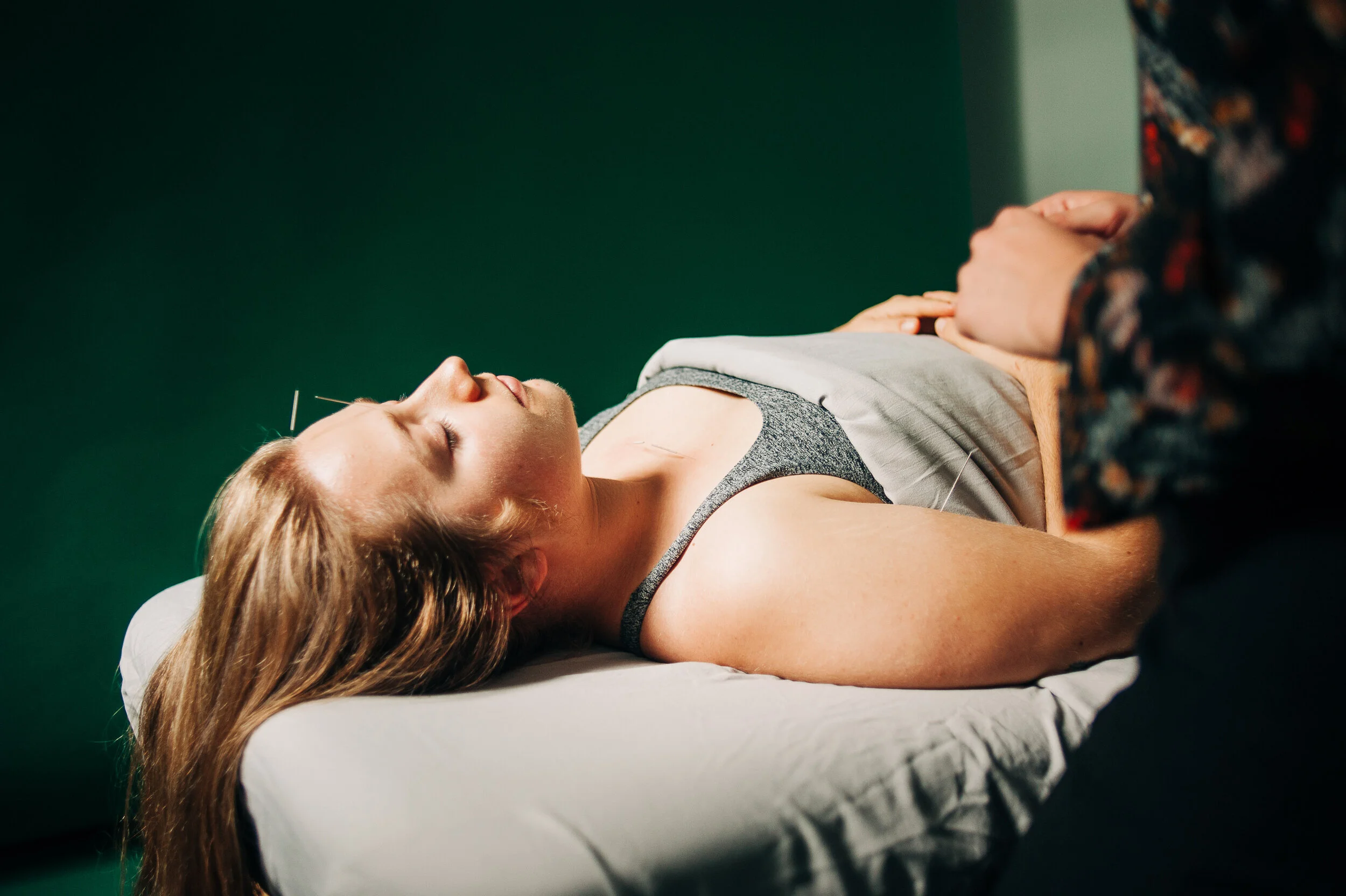
Acupuncture effectively and holistically treats insomnia by addressing the stubborn symptoms keeping you up at night while treating the underlying reasons they are showing up in the first place—both mind and body.
From a biomedical perspective, Acupuncture boosts melatonin production without the dependency or side effects of other pharmaceutical options. Research has demonstrated that “compared to no treatment, sham acupuncture, or medications, acupuncture was significantly better on improving parameters in sleep quality and duration, and the combination of acupuncture and other interventions (pharmaceuticals) appears more effective than those interventions alone.” A main mechanism of Acupuncture is its ability to shift your mind out of overdrive. Put more scientifically, Acupuncture down-regulates the nervous system from a heightened sympathetic state (fight-or-flight) to a parasympathetic state that allows you to rest-and-digest. It improves your Heart Rate Variability (HRV) which measures your nervous system’s ability to switch between these two modes at appropriate times. The trouble with insomnia is that it oftentimes leads to—and is caused by—not being able to switch ‘survival’ mode off. This not only has negative effects on HRV, but overall health with evidence linking insomnia to depression and diminished recovery (injuries + illness) to cardiovascular disease and dementia.
It’s no surprise that your stress levels and emotional state directly affect your sleep. For centuries, Chinese Medicine has understood how emotions can manifest physically as symptoms and vice versa, how our physical well-being can determine our psychology. Whether stress, stuck emotions, unresolved trauma, difficult transitions, or something else is behind your insomnia, these are connections I see everyday and I am here to help you through it.
If you are ready to start sleeping through the night with personalized support, I think we would be a great fit.
A note on Melatonin
Melatonin is a hormone produced by your pituitary gland to help the body prepare for sleep. Any time it, or any hormone, is taken exogenously (meaning, from an external source such as pill, tablet, or liquid form), your brain thinks it no longer needs to produce that hormone on its own. After all, it’s getting it from somewhere else—so why would it need to make extra? This is how extended use can lead to dependency and side effects from worsening insomnia to nightmares. Once your body stops making its own Melatonin, many people begin to take it more frequently and at higher doses. Missing a night or quitting altogether can mean more sleepless nights before regaining your natural circadian rhythms.
Sources
Cao, H., Pan, X., Li, H., & Liu, J. (2009). Acupuncture for treatment of insomnia: a systematic review of randomized controlled trials. Journal of alternative and complementary medicine (New York, N.Y.), 15(11), 1171–1186. doi:10.1089/acm.2009.0041
Spence, D. W., Kayumov, L., Chen, A., Lowe, A., Jain, U., Katzman, M. A., … Shapiro, C. M. (2004). Acupuncture increases nocturnal melatonin secretion and reduces insomnia and anxiety: a preliminary report. Retrieved November 18, 2019, from https://www.ncbi.nlm.nih.gov/pubmed/14990755
. . .
Disclaimer: Information contained in this article is for educational purposes only. It is not meant to diagnose, treat, or replace the care for any medical condition. Please seek out professional advice from a licensed medical provider for any concerns you have.

Burnout: How To Recover Naturally
Burnout isn’t something you “bounce back” from. Find out the toll it takes, what to watch out for, plus how Acupuncture can help you regain your balance and boundaries.
Dr. Lauren Dyer,
DAc, LAc, Dipl. Ac (NCCAOM)

On the Acupuncture-side of our practice, I work with a lot of people who are, let’s say, totally overwhelmed.
This is beyond stress. I am talking about taxation on a physical, mental, and emotional level.
My patients are givers, go-getters, parents, students, executives, care-takers, and self-proclaimed workaholics. But they are over-worked, over-tired, and all share how they are running on empty. They have all of the responsibilities, but hardly any of the rest and support outside of our time together. Many of them enjoy their jobs—they’re good at it and have high satisfaction—but they still feel overwhelmed and have a hard time turning "work-mode” off.
The more I hold space for and support those who experience burnout, the stronger I felt I had to share more about this condition.
My intention for this article is to create awareness of all of the ways burnout can affect you and how I approach it with Acupuncture + Chinese Medicine. At the end, I offer some things to consider to help you recover, re-establish healthy boundaries, and prioritize yourself for better health.
So, let’s get into it…
If it seems like “Burnout” is talked about as if it was a national epidemic, you would be correct. What makes this phenomena so unique is that even though it is not officially recognized as medical condition, it is as real as the people who experience it.
Burnout has become so pervasive that research can now measure the cost and toll this syndrome takes on individuals and our health care system:
“A 2018 Gallup study of nearly 7,500 full-time employees found that 23 percent of employees reported feeling burned out at work very often or always, while an additional 44 percent reported feeling burned out sometimes.”
Job burnout costs an estimated $125 billion to $190 billion in health-care spending each year.
Current research through the National Institute of Health “has attributed it to type 2 diabetes, coronary heart disease, gastrointestinal issues, high cholesterol and even death for those under the age of 45.”
(Statistics are from CNBC News with direct links to findings above)
“Never give from the depths of your well,
but from your overflow”
What is Burnout exactly?
Formally, the World Health Organization describes it as a syndrome that develops from chronic, poorly managed workplace stress resulting in exhaustion, apathy, pessimism, and decreased productivity.
From my experience in working with hundreds of patients who experience work-related stress, I agree that burnout include these symptoms—but there is so much more that happens. The toll burnout takes is often deeper and widespread, affecting a person’s nervous, circulatory, endocrine, digestive, and musculoskeletal systems. In other words: our bodies internalize stress in several uniquely different ways.
This is why, through Traditional Chinese Medicine (TCM) and Acupuncture, I consider each person’s experience of burnout individually. We discuss how it impacts their emotions, sleep, energy levels, relationships, self-esteem, digestion, and more. Symptoms are important, but treatments always address their root pattern(s) to recover holistically.
Re-Kindling The Kidneys
The Root of Burnout in Chinese Medicine:
In Chinese Medicine, there is a saying: “one disease, many roots; one root, many diseases.” Just like how burnout presents in slightly different ways depending on the person, there is still a common root that is typically to blame for burnout— it’s called a Kidney Deficiency.
My Kidneys are What?!
In TCM, our Kidneys (combined with our Adrenal Glands) are one of the most important organs systems. Together, they connect our brain to our instincts and intuition. The Kidneys influence our hormonal rhythms and response to stress, shock, fear, and trauma: think, the release of cortisol and your body’s Hypothalamic-Pituitary-Adrenal (HPA) axis (the pathway responsible for regulating your body’s sympathetic “fight or flight” response) .
In TCM, the health of the Kidneys are expressed through the brain (cognitive functioning), bones (their integrity), ears (hearing) and hair (quality). After considering this, it makes sense why the more our Kidney Qi (energy) naturally declines with age that mild memory loss, osteoporosis, deafness, and hair thinning become more prominent. However, there are environmental and lifestyle factors that weaken the Kidney Qi prematurely: sleep deprivation, substance abuse, nutrient deficiencies (from poor appetite/diet), and long hours of physical/mental exertion without rest. Sound familiar? These are all side effects (or coping mechanisms) of burnout.
On an energetic level, the Kidneys are the sacral root of our body’s Life Gate, as they withhold our reserves of Inherited Qi and Vital Essence (Jing). In this way, I like to think of the Kidneys as our body’s deepest well...a reservoir that we too often take from but forget to replenish.
When your Kidney Qi is abundant, you’ll have a healthy sense of self, direction, and will-power to pursue your goals.
You can take on the demands of the day with ease while making deliberate choices in what (and who) you give your energy to.
How is your Kidney Qi?
Signs & Symptoms
What to pay attention to:
These are signals the body gives when the Kidneys/Adrenals are taxed…
MENTAL + EMOTIONAL symptoms
Feeling “burnt out” and exhausted
Feeling numb or apathetic, little motivation
Foggy-headed, trouble concentrating
Poor memory, trouble recalling words
Trouble falling and/or staying asleep
Chronic worry, overthinking
Increased irritability and anger
Substance dependency (caffeine, alcohol, recreational drugs)
If there is a history of trauma (which is stored in the Kidneys), there can also be uncontrollable fear and hyper-vigilance
PHYSICAL symptoms may/may not include:
Low Back & Knee Pain
Thyroid & Hormonal Imbalances
Premature Aging & Hair Loss
“If you do not set consistent times in your life for personal rejuvenation then you cannot expect to have mental and physical resilience during difficult moments.”

Now What?
Things to consider:
If you have read up to this point, first of all, thank you. Second, please know that your symptoms, any supposed Kidney Deficiency, and Burnout do NOT have to define you. As a clinician of Chinese Medicine, I am sensitive to how my patients may have been treated by other providers (many share how they have felt dismissed or discouraged) but are hopeful in coming to me for solutions. That is why I help them look at their TCM diagnosis not as a sentence, but a starting point. By identifying the imbalances, only then we can start to have a conversation about how to address them.
With that said, I think it is worth stating that just as burnout is not something that happens overnight, it’s not just something you bounce-back from. So how do you begin?
Here are my thoughts…
Recognizing the need to create space for your recovery and well-being takes a deep sense of self awareness. What is your body trying to tell you? What physical, emotional, even hormonal symptoms are showing up to say there’s an imbalance—that it’s time to make a change?
Creating space benefits you the most when done consistently: rather than trying to balance the endless to-do’s, establish the key priorities and build boundaries around when you will address each item. Actively maintaining your boundaries with your time and energy leads to balance.⠀
You have to WANT to create space so that you can give more to the jobs, relationships, and hobbies that matter most without sacrificing your health in the process.⠀
Creating space takes patience, practice, but you know what else? Permission. Give yourself the permission to start as well as permission to not be perfect. Maybe one day you have to cut your time short, or skip it altogether. It’s okay. Breathe, forgive, and look forward to the next time. ⠀
...How are you creating space for your recovery?
How Can Acupuncture Help?
Acupuncture is a gentle, safe, and effective therapy that promotes your body’s own physiological processes which become weakened or pathological from chronic stress, trapped emotions, as well as long-standing illnesses and injury.
In other words: Acupuncture reminds the body how to repair, regulate, and heal itself again.
From a TCM viewpoint, Acupuncture can help you recover from burnout by improving circulation of qi and blood to the Kidneys, Adrenals, and other affected organ systems based on your clinician’s findings. From a Western-scientific, it:
Down-regulates your body’s stress response by shifting it from a “fight or flight” state to one that can “rest and digest.” This is why patients fall asleep during treatments, feel a deeper sense of calm, and report having better quality sleep sometimes in as little as one treatment.
Increases body’s natural opiates, endorphins, and enkephalins (feel-good hormones) to reduce pain.
Reduce cortisol and increase serotonin to alleviate anxiety, depression, irritability, and stress.
Promotes bloodflow to the brain to improve cognitive functioning as well as the viscera to regulate autonomic functions (heart-rate: reduce palpitations, digestion: improve nutrient absorption, appetite, and energy levels; regulates bowel movements).
Increases circulation to relax tight muscles and reduces joint stiffness
Enhances the body’s the body’s immune system to decrease inflammation and quell inflammatory & auto-immune related conditions.
For those who see me during and in the aftermath of burnout, their Acupuncture appointments are their designated time to unwind, re-cultivate their energy reserves, and re-establish resilience to life’s stressors. It’s a time where you are not on high-alert so your body can heal in the ways it needs to.
I am grateful to offer a safe space as well as the time, attention, and compassionate presence where you can vent, cry, laugh, celebrate, and be heard. In addition to your Acupuncture treatments, we can discuss some mindset, lifestyle, and/or Eastern Dietary tweaks to start shifting your mind + body into a better place where “burnout” isn’t your new normal. In the meantime, start by creating space for yourself everyday, even in small ways to start.
If you know you need a little more guidance, significant relief, and deeper healing, Acupuncture with me is a wonderful place to start.
“Being resilient isn’t synonymous with
not needing support”
**Please note, the information presented in this article is not meant to diagnose or replace the treatment for any medical condition: it is meant to be educational only. Regarding Chinese Medicine diagnostics, only a Licensed Acupuncturist (LAc) can confirm if patterns discussed in this article (or others not discussed) are contributing for your health concerns. Please seek out professional care as needed. Feel free to reach out and direct any questions to hello@empowerchiroacu.com**
Sources:
Burn-out an "occupational phenomenon": International Classification of Diseases. (2019, May 28). Retrieved June 20, 2019, from World Health Organization: Mental Health, https://www.who.int/mental_health/evidence/burn-out/en/
Salvagioni, D. A., Melanda, F. N., Mesas, A. E., González, A. D., Gabani, F. L., & Andrade, S. M. (2017, October 04). Physical, psychological and occupational consequences of job burnout: A systematic review of prospective studies. Retrieved June 20, 2019, from https://www.ncbi.nlm.nih.gov/pmc/articles/PMC5627926/
Sheryl Kraft, S. T. (2018, August 28). Companies are facing an employee burnout crisis. Retrieved June 20, 2019, from CNBC News: https://www.cnbc.com/2018/08/14/5-ways-workers-can-avoid-employee-burnout.html