

Five Tips For Health This Fall
In Traditional Chinese Medicine, living seasonally is essential to prevent illness and safeguard the balance of our body’s systems. Here are five of my most essential tips to stay healthy this Fall!
By Lauren R. Dyer, DAC

Photo by Allison Christine via Unsplash
In Traditional Chinese Medicine (TCM), living with the seasons is essential to prevent illness and safeguard the balance of our body’s systems. This is because as our external environment changes, our internal (physical) health shifts too. Some examples of this are apparent everyday, even if we do not give them much thought. For instance in the Fall: it gets darker earlier prompting our circadian rhythms to adapt, our mood might change with decreased sunlight and absorption of Vitamin D, while the chill in the air tenses our muscles right up. Just like how these changes are anticipated from a Western view, for centuries doctors of Chinese Medicine also observed this natural phenomena. They came to understand how the seasons impacted our physiology, and as a result, gained wisdom of ways to adapt.
In TCM, Fall has a nature all its own: it is the season where the dynamic, warming, and active Yang energy of the summer wanes into the more structured, cooler, and introspective Yin phase of the year as we prepare for Winter. Autumn is associated with the Metal element and Lungs which govern the skin, respiratory system, immunity, and the emotions of grief/sadness.
The Fall is also dominated by dryness and wind which can attack the Lung, leading to common symptoms such as a scratchy throat, a dry nose, chapped lips, dry cough, etc. To protect the body from these factors, preventative health for Fall focuses on warming and strengthening the body.
So as the temperature drops, leaves change, and cold-season abounds, here are some ways to stay healthy this Fall according to TCM:
Tip #1:
Enjoy Mostly Warm-Cooked Foods & Drinks

In TCM, keeping your digestive fire stoked is important for your overall well-being. Having a strong Spleen and Stomach are essential for nutrient absorption, distribution, and a healthy immune system (aka your gut microbiome). When the temperature cools down, so does the energy of our digestive system. This is why cold and raw foods (salads, smoothies, ice cream, yogurt, etc.) can damage your digestive fire when consumed too frequently, especially in the cooler months. Instead, opt for foods that are cooked. These will warm your body and keep your digestive fire revving this time of year. After all, tis' the season for soups and stews anyways. If you still need your daily salads, try adding a cooked veggie, meat, or grain (like quinoa or rice) to offset the cold nature of the greens. Or if you are more of a shake/smoothie person, try not adding ice, using fresh (not frozen) fruits/veggies, adding a slice of fresh ginger root, or waiting to drink it at room temperature. You might find yourself pleasantly surprised with what one week of eating (and drinking) warm things will do for your digestion, especially if you notice you tend to bloat easily, get tired after meals, or have IBS-like symptoms such as loose stools. To learn more about optimal digestion in TCM, check out this post of ours on Instagram.
Tip #2:
Keep Your Neck Covered

Just like how allergens, bacteria, and viruses can be seen as pathogenic factors in the West, in TCM, environmental elements (such as Wind, Dryness, Heat, Fire, Dampness, Cold, etc.) can become the cause for disharmony and illness in excess through exposure or when generated internally. Wind for example is considered a vehicle for illness, as it carries airborne pathogens that can make us sick. It's no coincidence that the back of the neck is considered the "Wind Gate" and several Acupuncture points along that area have "Wind" in their name (like GB-20 "Wind Pool" and DU 16- "Palace of Wind"). When our neck is exposed in the Fall, we can get sick more easily. This is also why a stiff neck is considered an early symptom of a cold in TCM. So, whether you want to don a scarf the size of a blanket or at least a jacket with a high collar, remember to cover your Wind Gate this Fall.
Tip #3: Work Through Your Sadness + Grief

Each season invites us to change in different ways, and part of that process usually means letting go in others. Fall signals the start into the end of the year…a time for introspection while looking at what mindsets and habits are no longer worth your energy, and re-structuring accordingly (think: back to school, Virgo season energy). In TCM, Fall is also associated with the Lungs, which govern emotions of grief and sadness. One of the reasons I fell in love with TCM is how it respects and understands how emotions (especially when excessive or repressed for too long) can affect our physical health. For example, sadness and grief tend to manifest in the Lungs as respiratory issues: a sudden (or chronic) cough, asthma, wheezing, and chest tightness, or repeatedly waking between 3-5am (the Lung’s time according to the Chinese Medicine Body Clock). Because the Lungs neighbor the Heart, there can also be palpitations, anxiety, and a racing beat.
When repressed for too long, grief can also generate an imbalance in the Lung’s partner-organ: the Large Intestine. Just as the Lungs are responsible for taking in, the Large Intestine is for…you guessed it, letting go. Our ability to release control and the hold the past has on us is reflected in the Large Intestine. Rather than thinking of letting go as “forgetting,” think about it as giving yourself the chance to move forward. It’s not that grief goes away, but the ways it shows up and affects us can change over time.
Acupuncture is a gentle way to create the space and a safety for the body to release the heavy emotions and somatic memories tied to experiences of difficult transitions and loss.
Tip #4: Drink Lemon, Ginger & Pear Tea

When life gives you lemons, like a cold or chronic allergies, make a Lemon, Pear & Ginger Tea to combat it! It's basically a warm, spicy lemonade... Plus, it's high in Vitamin C, thanks to the Lemon, while the Ginger has anti-inflammatory properties, making it a necessary combo for cold season. In TCM, pears are said to nourish and moisten the Lungs - ideal for those pesky dry coughs and sore throats. Honey balances the ginger's spiciness, and if it is local, it will have bonus immune-supporting properties. This is a tea I make in large batches and sip as a background drink during the day - because let's face it, how can I care for others if I am sick? I don't have time for that.
Chances are, you don't either.
Here is a quick and easy recipe:
What You'll Need: 1 Pear, 1 Lemon, 3-4 pieces of Ginger Root (sliced into 1" pieces), Honey to taste, (the more local, the better)
What You'll Do: Combine the sliced lemon, ginger root, and pear into a small pot. Add 4 cups of water (6 cups for a more diluted flavor). Bring to a boil and then simmer for 5 minutes. Serve and add honey to taste! Allow it to cool as needed & enjoy!
Note: This tea is meant to have a strong flavor, but if you want something more mild, reduce the ginger. If you have signs of internal "heat" aka prone to anger/irritability, yellow phlegm, fever, excess sweating, or hot flashes - ditch the ginger.
Tip #5: Get Acupuncture & Gua Sha Preventatively

Photo Credit: Sharyn Peavey Photography
Acupuncture is a ancient medical therapy that uses hair-thin, single-use, and sterile needles to facilitate your body’s own healing process—and supporting your immune system (aka your “Wei Qi” or Defensive Qi) is a huge part of that. Acupuncture has been shown to reduce inflammation, release endorphins, promote circulation while restoring the proper functioning or energy (called “Qi") to your body’s systems. There are several Acupuncture points that I use regularly to alleviate sinus pressure, stop headaches, reduce allergies, clear phlegm, and strengthen the Lungs.
Also, remember the "Wind Gate" from Tip #2? During the Fall, Gua Sha is another versatile soft-tissue therapy applied along your upper neck and shoulders at the earliest signs of a cold (stiff neck, sniffles, you know the feeling) to keep it from progressing. Compared to antihistamines and other OTC allergy medications which rarely come without annoying-to-harmful side effects (or rebound-symptoms from overuse such as the case with nasal decongestants), Acupuncture and Gua Sha are effective therapies that treat beyond the symptom level to promote sustainable relief.
In addition to individualized care, we will collaborate on strategies for you to adopt beyond the treatment setting so you can take your health into your own hands—because that is my goal for you and all of my patients. For additional guidance going into the season ahead, feel free to reach out or when you’re ready, schedule online.
Thank you for reading & take care!
—Dr. Lauren Dyer
“Recently I have had sessions of acupuncture with Lauren, and it was beyond helpful. I originally went to see her for help with my anxiety and the initial consult took us further into a number of issues I had been having. After just two sessions so much had improved. It was like a fog had been lifted. And one of the biggest difference was she has started to treat my allergies and despite being in peak
Pollen season; I DIDN’T NEED TO TAKE ANY ALLERGY MEDICINE!
Usually I would take take about 4 a day during this time. I went in for one thing and Lauren guided me through a treatment cycle that helped improve my daily life noticeably on many levels.”
. . .
Disclaimer: Information contained in this article is not meant to diagnose or treat any medical symptoms/condition. None of these claims are intended to infer prevention of the flu, common cold, or other respiratory illnesses. If you have any health concerns or an emergency, seek out medical attention. If you are a patient of ours with a health concern, contact us so we can help and make appropriate referrals as needed.

Can Beauty Hurt? How Chemicals in Skincare + Cosmetics Can Impact Your Health
Switching to cleaner beauty goes beyond skin deep. Learn how chemicals in your skincare items can be harming your hormones, mood, and physical health—plus what you can do about it with these easy-to-implement tips.
BY Dr. Lauren dyer
DAC, LAC, DIPL. AC (NCCAOM)

Spring cleaning isn’t just for your closets or yard anymore. Have you ever thought of updating your skincare routine? This blog is all about why…
According to the Environmental Working Group (EWG)—a non-profit, non-partisan organization— “on average, women use 12 personal care products a day, exposing themselves to 168 chemical ingredients.” Men use six, exposing themselves to 85 unique chemicals.”
Think about that for a second...
How many do you apply a day?
Looking at the safety of cosmetics + everyday products is something I talk about with patients, especially if they are coming in with:
depression
anger + irritability
food/chemical sensitivities
headaches/migraines
pms-related symptoms
hormonal acne, hives, etc
waking from 1-3am regularly
Why am I calling out these symptoms?
They point to a root imbalance in the Liver.
Why does this matter?
It’s all connected. The chemicals in cosmetics + related products get absorbed into your skin and therefore, your bloodstream. Eventually they make their way to other other organs to be processed including, yep—your Liver.
LIVER HEALTH
The Liver is a known key detox organ. It filters your blood, breaking-down chemicals from food, drinks, drugs, plus personal/household products. It also helps keep your sex, thyroid, and adrenal hormones in check.
In TCM, we refer to these roles more broadly in saying the Liver ensures the free flow of qi and blood〰️When bombarded by chronic chemical exposure, my patients notice their mood, energy, skin, and hormones suffer.

How clean are your cosmetics?
To determine how safe your products are, be weary of ingredients you cannot easily pronounce, including these known endocrine disruptors:
Formaldehyde and formalin (shampoos)
Synthetic “fragrance” and “parfum”
Parabens (methyl-, propyl-, isopropyl-)
Phthalates (DBP, DEHP, DEP and others)
Sodium lauryl sulfate (SLS) and others
Aluminum chlorohydrate (deodorants)
RESOURCES
Can’t remember this list? No problem.
There are mobile apps that let you look up your go-to products & their ingredients!
You can even scan items through your phone & compare safety ratings before you buy:
Here are some apps I recommend:
Think Dirty
GoodGuide
Healthy Living
For more information, visit the Environmental Working Group’s Skin-Deep Database.
My Top Clean Beauty Picks:
🌿 Beauty Counter
🌿 Neal’s Yard Remedies
🌿 Badger Balm
🌿 Primally Pure
Not affiliated, just love these brands.
Hope you found this blog helpful. If you are ready to start cleaning up your makeup routine, know that your liver, skin, and mood will thank you.

Zombies, Liver Toxicity, and Leaky Gut: Why Painkillers Should Have New Warning Labels
As popular as Tylenol, Advil, and other common pain killers are, they are not as harmless as our culture has lead us to believe. Learn about the lesser-known, surprising, and severe ways these these tiny pills affect our bodies and brains.
By Dr. Lauren Dyer
(DAC, LAC, DIPL. AC - NCCAOM)

“Just take a Tylenol.”
You hear it in commercials, in conversation with co-workers, family, and friends—maybe you were told this since childhood so now you don’t even question it. But should you? Why be in pain if you don’t have to? Isn’t it harmless?
The short answer is no. Tylenol, Advil, and other common pain killers are not as benign as we have been culturally indoctrinated to believe. Just because they are available over-the-counter does not make them safe or safer than prescription opioids. Recent studies show that even the suggested dose can cause harm to our bodies and negatively affect our mental + emotional health.
Before we get into that, here are some things to keep in mind...
The main ingredient in Tylenol is acetaminophen. It is the most common drug compound in the United States, found in over 600 medicines. It is estimated that 23% of the population (about 52 million American adults) takes a medicine containing acetaminophen a week.
If it’s so popular, what’s the big deal, right?
For starters, acetominophen is the #1 cause of acute liver failure in America, with a little over 110,000 injuries and deaths linked to Tylenol (and its generic versions) annually. By impairing the liver’s ability to detoxify chemicals ingested, even the “safe” suggested dose poses a risk.
Tylenol’s toxicity is linked to depleting glutathione, an essential antioxidant responsible for managing free radicals and inflammation in the body. Given how vital glutathione is for brain health, it’s no wonder that ingesting Tylenol blunts our emotions—limiting our ability to feel pleasure or pain just one hour after use. This observation was so startling that researchers called it a “zombification” effect.
That’s right.
Zombies.
Tylenol figuratively turns us into the undead by diminishing our sentience.
A 2015 study from Ohio State University had half of its participants take 1,000mg of Tylenol while the rest took a placebo. After one hour each group was shown pleasant and disturbing photos. In both scenarios, those who took Tylenol had lower sensitivity and emotion ratings compared to those who took a placebo.
For reference, 1,000mg is two Extra-Strength Tylenol pills, with the “safe” upper limit being 3,000mg. So the fact that a “normal” dose can exert that much of a physiological and psychological change is pretty alarming, if not totally disturbing.
The implications for how such a seemingly harmless drug contributes to “psychiatric-like” side effects such as depression, irritability, and apathy should not be ignored.
What About Anti-Inflammatory Drugs?
Unfortunately, Non-Steroidal Anti-Inflammatory Drugs (NSAIDS) like Motrin, Aleve, Advil, or Ibuprofen are not innocent either. In order to reduce aches and fevers, this class of drugs works by reducing the number of prostaglandins in the body—molecules that protect our gut lining, support inflammation needed for healing, and blood clotting. The result from habitual use? Increased gut permeability (aka “leaky gut” which sets-off an auto-immune response linked to chronic illness & psychiatric-like symptoms) ulcers, and intestinal bleeding.
Not everyone who takes NSAIDS will get side effects, but the odds are not in our favor. A 2005 study by Gastroenterologist Dr. David Graham used a small endoscopic camera to compare structural intestinal changes between NSAID users vs. non-users. He found that 71% of NSAID users had damage in the small intestine lining compared to 10% of non-users. The interesting but insidious fact was that nobody in the study reported GI symptoms, even though the damage was already done. For women it’s worth noting that NSAIDS interfere with hormone balance and fertility. Studies show they can inhibit ovulation and lower progesterone levels after just 10 days of use.
Now What?
On a personal and collective level, it’s time to re-consider our reflex to reach for Tylenol and other OTC pain-killers at the first sign of discomfort.
Instead of viewing our symptoms as inconveniences that need to be silenced, endured, or defeated, what if we appreciated them for how intelligent they are—that they communicate with us when something isn’t right. Slowing down and tuning inwards to listen to why they are appearing in the first place is the first step to healing them.
Understandably, you need to work, provide, and pain is incredibly inconvenient.
But is it worth the liver toxicity, numbing our humanity, while leaving us with an increased risk for chronic illnesses because the integrity of our intestinal lining has been compromised? Let’s not forget, once the drugs wear off, the pain inevitably returns.
What would you rather do?
A Better Way…
If you want pain relief that is safe, natural, and evidence-based, you can consider:
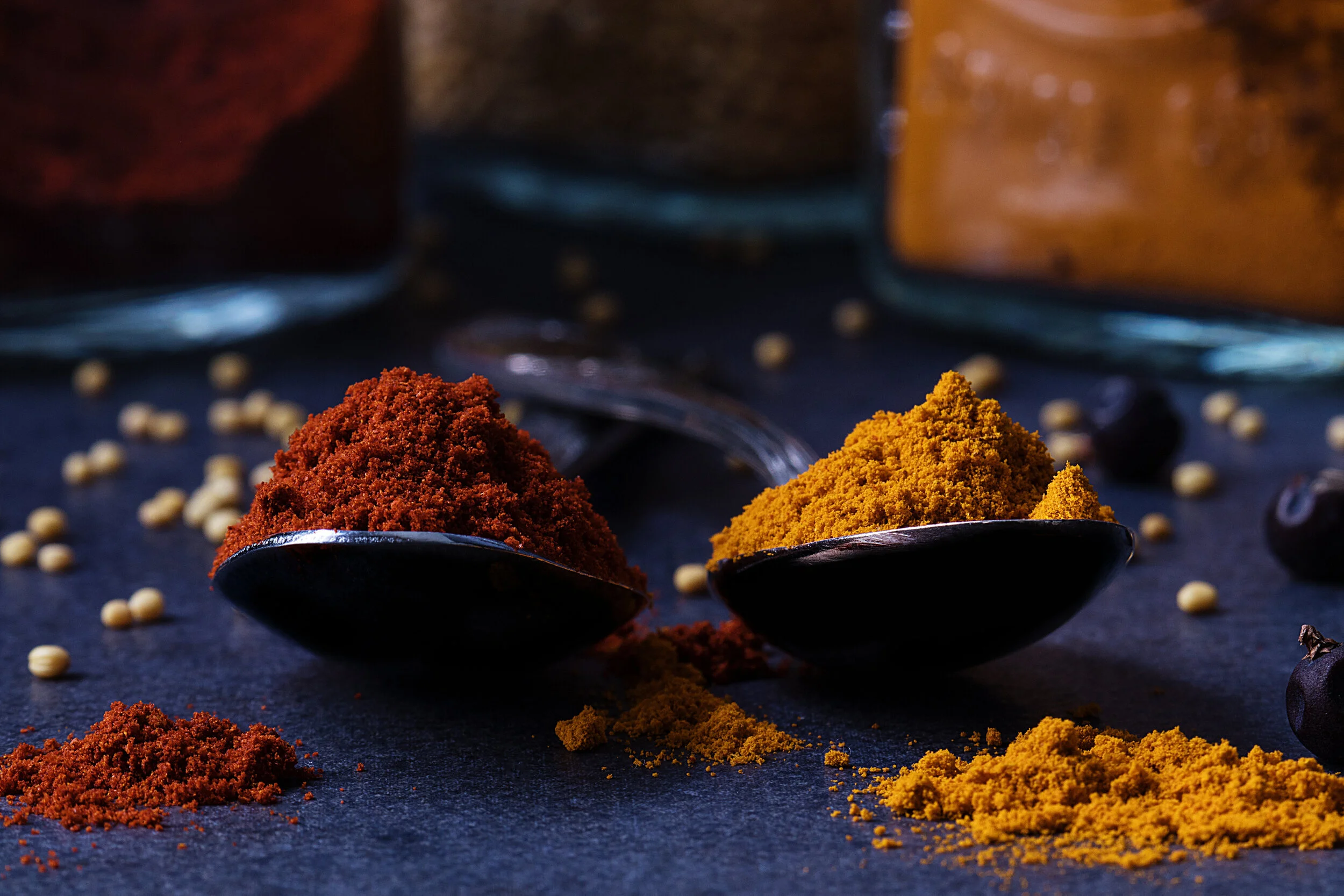
TUMERIC
For centuries tumeric has been known as a medicinal herb in Chinese Medicine and Ayurveda for its anti-inflammatory properties. I suggest patients add it to their cooking or supplement with it regularly for preventative measure.
CURCUMIN
Curcumin is tumeric extract, as its the active ingredient that rivals NSAIDS at decreasing inflammation. Studies show it can be used for general pain, osteoarthritis, menstrual cramping, post-operative pain and more.
Be sure to talk with your healthcare providers before taking any supplements.
CHIROPRACTIC

SHARYN PEAVEY PHOTOGRAPHY
Our Chiropractic care is comprehensive. Instead of just relying on joint manipulations, we look at the bigger picture of how your muscles, movement patterns, relate to your pain. When you collaborate with us, we will give you the tools and knowledge to understand these relationships, plus how to prevent and improve your pain beyond your appointments.
By helping you take your pain and healing process into your own hands, our patients see quicker results with longer-lasting relief.
These are some of the reasons why we are not your average Chiropractor.
ACUPUNCTURE

By mobilizing the body’s healing response, promoting the release of endorphins and endogenous opiates (your body’s own pain-killers), and regulating your brain’s stress response, Acupuncture works on both the body and mind to creates a solid foundation for sustainable relief.
Through our integrative and holistic approach, we can identify and treat the root causes to your pain—allowing for a complete healing process with lasting relief rather than masking it.
Learn more about Acupuncture for chronic pain, mental health, and related conditions in this overview of scientific research here.
So next time someone says “just take a Tylenol,” weigh its effects, do your own research, and talk to your healthcare provider so you can make the most informed decision for your well-being.
To learn more about how we can manage your pain safely and effectively, reach out with any questions.

SHARYN PEAVEY PHOTO
Hi, I’m Lauren Dyer, the Co-Founder and Doctor of Acupuncture here at Empower in New Gloucester, Maine.
I specialize in supporting those for Chronic Pain Management and Mental/Emotional Well-Being. In Traditional Chinese Medicine, these are areas that not only relate to and reflect one another, but are also close to my heart. I consider myself lucky because I truly love Acupuncture and what I do. Getting to connect with others while empowering them to live with a renewed sense of relief, inner peace, and vitality are some of my greatest joys. So if you are struggling with chronic pain, anxiety, depression, sleep issues, the residual effects of trauma, a difficult transition, or other related symptoms, I am here to help you navigate and own your healing process.
DISCLAIMER:
This article is for educational purposes only. We are not responsible or claiming to be responsible for any recommendations regarding the continuation or discontinuation of any of the pharmaceutical drugs mentioned. The information presented in this article is not meant to diagnose or replace the treatment for any medical condition. Please seek out professional care as needed.
SOURCES
A Mind of Your Own and Own Yourself by Dr. Kelly Brogan, MD
“Visible Small Intestine Mucosal Injury in Chronic NSAID Users” PMID: 15645405
“Curcumin” on Examine.com (Science-Based Nutrition & Supplement Information)
Acupuncture for Pain Relief: Research Summaries on Evidence-Based-Acupuncture