

Acupuncture for Anxiety
Anxiety is a symptom. It’s a normal reaction to abnormally stressful situations yet it’s exploded as the diagnosis of our nation. Find out how Acupuncture treats the root causes to anxiety plus the science behind why this ancient medical practice is so naturally effective.
By DR. Lauren Dyer
DAC, LAC, DIPL. AC (NCCAOM)

It’s the diagnosis of a nation.
Anxiety eclipses depression as the most common mental health concern in the US, affecting 40 million adults. Given the current state of affairs, this number is without a doubt higher, affecting everyone in their own ways.
Even before these strange and uncertain times, anxiety has been on the rise.
The American Psychiatric Association ran a poll on 1,000 U.S. residents in 2017, and found that two thirds were “extremely or somewhat anxious about health and safety for themselves and their families and more than a third are more anxious overall than last year.” In 2018, poll was repeated and Anxiety had spiked by another 5 percent.
These findings are on par with Google Trends publishing how searches for anxiety doubled over the past five years.
Okay, so anxiety is more common than ever.
But what is it exactly?
Anxiety is an intense, excessive, and persistent worry and fear about everyday situations that interferes with daily life.
For some people, it’s more situation-based. For others, it’s an everyday struggle. Even if anxiety is common, that does not make it a disorder, or someone who has it mentally ill (more on that controversial topic and why I wholeheartedly disagree with that language here).
Anxiety is a symptom.
When not caused by nutrient deficiencies, imbalanced blood sugar, or a pharmaceutical side-effect, anxiety is a normal reaction to abnormally stressful and traumatic situations.
“Anxiety is a normal response to abnormally stressful or traumatic situations”
Like grief and anger, anxiety is part of the human experience that should not be deemed a disorder and stigmatized. Unfortunately there is still a lot of shame people feel around acknowledging they have anxiety, let alone choosing to seek help. If you are one of those people, I am writing this for you. You are not alone, nor can you expect yourself to “be positive” all of the time. Not only is that unrealistic, the pressure of trying to keep-up that facade just makes it worse. In my personal and professional opinion, what is realistic is reframing the way we as individuals, a culture, and healthcare system look at mental health.
Think about it…
What if instead of labeling anxiety a “mental disorder” that needs to be chemically managed, we considered it a symptom that can be healed?
If we did, treating it could be reframed too, with less emphasis on numbing your feelings, and mode on holistically addressing the root culprits and circumstances causing it in the first place.
“What if instead of labeling anxiety a mental disorder that needs to be chemically managed, we considered it a symptom that can be healed?”
Thankfully, there are branches of medicine doing just that: Functional Medicine, Naturopathic Medicine, Psychoneuroimmunology, and of course, Traditional Chinese Medicine (TCM).
The Mind-Body Connection in Eastern Medicine:
For centuries, Traditional Chinese Medicine (TCM) has known how interconnected the body, mind, and emotions are: how long-suppressed and intense can emotions can become trapped in the body, later showing up as physical health issues. Likewise, when an organ system is affected, its paired emotion will surface (think: alcohol’s effect on the liver, which for some drinkers leads to anger). You can learn more about the Emotion-Organ Relationship in a blog I wrote here.
Thousands of years ago, TCM practitioners may not have used the term “anxiety,” but they established that worry damages the Spleen and Stomach—what modern medicine now calls our Gut Microbiome. Or how fear weakens the Kidneys—which we today know how our adrenal glands (which rest on top of the Kidneys) release stress hormones when we feel threatened.
It’s no coincidence. TCM has always accepted how the mind affects the body, and vice versa.
So how does Acupuncture help with anxiety?
A Personalized Approach:
When supporting those with anxiety, my approach is personalized to you and your experience of it. Just as the reasons behind anxiety are different, the way it shows up in the body can be too—so why would I (let alone more conventional avenues) treat it as if they were the same?
As an Acupuncturist, one of the ways I identify the root causes comes from asking questions during your first appointment.
When you get anxious, do you experience:⠀⠀
a racing mind, especially at night?⠀⠀
night sweats or tossing/turning?⠀
palpitations worse when you’re tired?⠀⠀
chest tightness or pain? ⠀⠀
dizziness or trouble focusing?⠀⠀
full-on panic attacks? ⠀
a sensation of having a lump in your throat?⠀
easily frightened or indecisive?
a wave-like feeling in your gut? ⠀⠀
loose stools or stomach pain?⠀⠀
sadness or shortness of breath?⠀⠀
angry or irritable easily?
vivid or disturbing nightmares?⠀
I also make sure to ask:
If there is a history of trauma (if so, only share what you are comfortable with)
What your diet is like (to rule out any potential nutrient deficiencies)
What medications you are on (to rule out if there is a side-effect taking place)
Each answer tells me something different about how anxiety is impacting your internal health.
It also signals to me which Acupuncture points to select, foods or herbs to suggest, etc.
Let’s say 10 people have anxiety—but the ways it shows up in their body, the events that have shaped its emergence, their associated symptoms and triggers can be (and often are) vastly different. As a result, there will be 10 different diagnoses and they will each receive 10 totally different treatments, all tailored to their needs.
This is one of the reasons Acupuncture is as effective as it is at alleviating anxiety: it is far from a one-size fits all approach.
By understanding your unique constitution, Acupuncture addresses the root causes behind your anxiety while treating the unique physical symptoms that arise with it.
The Science Behind It:
If you are curious about the how Acupuncture improves anxiety, check out this research:
IT REGULATES YOUR STRESS RESPONSE Via HEart rate variability
One of the most sensitive measures of the body’s ability to cope with stress is something called your Heart Rate Variability (HRV). Unlike heart rate which is the number of beats per minute, HRV is the time in between each beat. HRV measures how well your nervous system adapts to stress.
HRV is measured in the heart, but it originates in the Autonomic branch of your Nervous System which controls your sympathetic (fight-or-flight) and parasympathetic (rest-and-digest) responses.
When HRV is high, it means your nervous system is balanced—your body can adapt to stress in your environment. A high HRV is desirable because it means your brain can switch between being on high-alert and calm at appropriate times. This can look like being able to fall asleep easily when it’s time for bed and having the energy to focus at work during the day. With anxiety these can be hard to come by.
When HRV is low, it means one branch is dominating (usually the sympathetic) and sending stronger signals to your heart/organs than the other. It means your body is working on overdrive to maintain its daily functions, which leaves fewer resources for exercising, caregiving, or whatever your daily activities require. A low HRV is common if you have chronic anxiety because your body is stuck in survival mode, even when a trigger is not immediately present.
The good news is, Acupuncture has been shown to improve the body’s ability to cope with stress and lower anxiety by improving HRV:
“In patients with mild depression or anxiety, verum acupuncture but not sham acupuncture was associated with significant reductions from baseline in mean resting heart rate at 5 and 15 min after needle application…These results suggest that verum acupuncture modulates autonomic activity in response to alterations of internal and external environments, and thus reduces overall anxiety in patients with depression or anxiety.” (MacDonald, 2019)
IT RELEASES ENDORPHINS
A summary of clinical findings on Acupuncture for anxiety details how:
“When the body is under stress, an area of the brain called the hypothalamus releases neurochemicals and research shows that acupuncture can calm this response. Acupuncture has also been shown to increase the release of endorphins, the body’s own ‘feel-good’ chemicals, which play an important role in the regulation of physical and emotional stress responses such as pain, heart rate, blood pressure and digestive function. All of these mechanisms have a direct effect on reducing anxiety.”
By releasing endogenous (self-made) pain-relieving opioids and feel-good endorphins, Acupuncture supports your body’s ability to restore, regulate, and heal itself in the ways it needs—drug-free.
IMPROVES SLEEP
Quality sleep is hard to maintain when your mind can never shut off.
A literature review on Acupuncture for psychiatric conditions reported that it significantly improved sleep quality in patients with anxiety related insomnia. One of the studies cited reported that after treatment, “urine 6-sulfatoxymelatonin (a metabolite of melatonin) levels were normalized and several polysomnographic measures, as well as self-reported fatigue, sleepiness, anxiety, and level of depression, were significantly improved. Combined with the evidence of treatment efficacy in depression-related insomnia, acupuncture may have broader utility in neuropsychiatric disorders with impaired quality of sleep.”
Whether you have trouble falling asleep, staying asleep, or wake at the same time every night (the reason why can be found by looking at the TCM Body Clock), an Acupuncturist can help determine what imbalances are present to give you a specific treatment geared towards your symptoms.
IT Supports gut health
It is estimated that your gut bacteria produce about 95 percent of your body's serotonin, the neurotransmitter that influences both mood and gastro-intestinal activity (American Psychological Association). 95 percent!
This discovery has prompted a new area of research in what is called the Gut-Brain Connection. As novel as it seems, it confirms what Traditional Chinese Medicine has known for centuries about the mind-body connection. Gut feelings are no longer just a saying, they’re real.
Given how rich the gut is in bacteria and nerve fibers, it has been called a second brain—the enteric nervous system. The current evidence reveals that contrary to popular belief, the brain is not solely responsible for dictating the body’s activities. Instead, the gut-brain communication goes both ways:
“While doctors have always known that mental conditions such as stress and anxiety can lead to gastrointestinal issues – butterflies in your stomach for example, or stress-induced loose stools or nausea – increasingly it seems that the cause-and-effect relationship between mental state and gastrointestinal state may work in reverse, as well. An upset gut (ie. inflammation) can trigger changes in our mental state, suggesting that an upset in the balance of gastrointestinal (bacteria and) function could conversely be sending signals to your brain that cause neurological and emotional symptoms such as depression, anxiety and mood swings.” (Lanyon 2019)
Digestive complaints such as poor appetite, abdominal pain, nausea, and irregular elimination are some of the most common symptoms I see in patients that come in for anxiety. Thankfully, Acupuncture has been shown to have positive effects on these symptoms, especially for Irritable Bowel Syndrome (IBS) where a meta-analysis demonstrated Acupuncture’s effectiveness to be clinically and statistically significant.
SIGNALS OF SAFETY
In light of the many ways the scientific community can explain how Acupuncture helps anxiety, I have my own view that sums them up:
I like to think of Acupuncture as giving your body signals of safety.
By figuratively tapping into the nervous system, Acupuncture gives your mind and body the stillness to deliver the message that “I am safe, I am okay, I can re-balance now” so it can do just that. Along with mobilizing your body’s own resources, bloodflow, and neuro-endocrine signals, Acupuncture can help you reclaim a sense of calm and resilience to withstand future stress.
If you want to experience it for yourself and are someone who:
Has tried anti-anxiety medications in the past but found they didn’t work for you
Has tried anti-anxiety medications but didn’t like they way they made you feel or taking them lead to unwanted side-effects
Wants to taper-off your medication while having a natural therapy to support you during that process (Do not discontinue or adjust any medications without talking to your prescribing doctor first.)
Wants a dual physical and energetic medicine to compliment counseling sessions you attend, with the option to coordinate care with your therapist
Wants to avoid medications
Has “tried everything else”
Has been dismissed by practitioners and wants a more compassionate and holistic support system that ultimately puts you in the driver seat of reclaiming your health
Wants strategies and recommendations for anxiety that are meant to support long-term relief rather than a superficial quick-fix
I would be happy to support you.
Ready to get started?
Have questions?

Hi, I’m Lauren Dyer.
I am the Co-Founder and Doctor of Acupuncture here at Empower in New Gloucester, Maine.
I specialize in supporting those with Chronic Pain, Emotional + Mental Wellness, and GI health.
In Traditional Chinese Medicine, these are areas that not only relate to and reflect one another, but are also close to my heart. I consider myself lucky because I truly love Acupuncture and what I do. Getting to connect with others while empowering them to live with a renewed sense of relief, inner peace, and vitality are some of my greatest joys.
So if you are struggling with chronic pain, anxiety, depression, sleep issues, the residual effects of trauma, a difficult transition, or other related symptoms, I am here to help you navigate and own your healing process.
SOURCES:
Amorim D; Amado J; Brito I; Fiuza SM. (2018, May). Acupuncture and Electroacupuncture for Anxiety Disorders: A Systematic Review of the Clinical Research. Retrieved from https://pubmed.ncbi.nlm.nih.gov/29705474/
Campos, M. (2017, November 22). Harvard Health Blog, “Heart rate variability: A new way to track well-being.” Retrieved from https://www.health.harvard.edu/blog/heart-rate-variability-new-way-track-well-2017112212789
Chao, G.-Q., & Zhang, S. (2014, February 21). Frontiers In Genetics, “Effectiveness of acupuncture to treat irritable bowel syndrome: A Meta-Analysis.” Retrieved from https://www.ncbi.nlm.nih.gov/pmc/articles/PMC3930986/
Cheng-Hao, MacDonald, Chen, Yi-Hung, & Iona. (2019, January 10). Frontiers in Psychiatry, “The Effects of Acupuncture on Glutamatergic Neurotransmission in Depression, Anxiety, Schizophrenia, and Alzheimer's Disease: A Review of the Literature. Retrieved from https://www.frontiersin.org/articles/10.3389/fpsyt.2019.00014/full
Lanyon, C. (2019, August 19). “What TCM has known for centuries: 'New' Brain-Gut Connection.” South China Morning Post. Retrieved from https://www.scmp.com/lifestyle/health-wellness/article/3022925/brain-gut-connection-how-tcm-has-known-centuries-what
Russel, D., et al. (n.d.). Acupuncture as a Therapeutic Treatment for Anxiety. Retrieved from https://www.evidencebasedacupuncture.org/present-research/acupuncture-anxiety/

Wisdom for Winter Wellness
Learn how Chinese Medicine can support your Kidneys and Adrenal health this Winter, plus why it’s important!
Living Seasonally with Chinese Medicine
By Dr. Lauren Dyer, L.Ac, DAC

In nature, Yin embodies all that is cold, dark, reflective, and directed inward.
Knowing this, it makes sense why Winter is considered the most “Yin” time of the year in Traditional Chinese Medicine (TCM): the daylight is shorter, the temperature is frigid, and nature is nudging us to conserve our energy.
In the early days of TCM (5,000 years ago) practitioners and the agricultural communities they served understood how nature was mirrored in their health—how our bodies change in response to our environment. After all, we are just as dynamic as the seasons: our internal systems have their own rhythms and are always shifting towards homeostasis.
By embracing the changes each season brings and adopting habits that will help us live in harmony with them, we are truly benefiting our mind and body.
Here are some key associations for the Winter in TCM:
YIN ORGAN: Kidneys
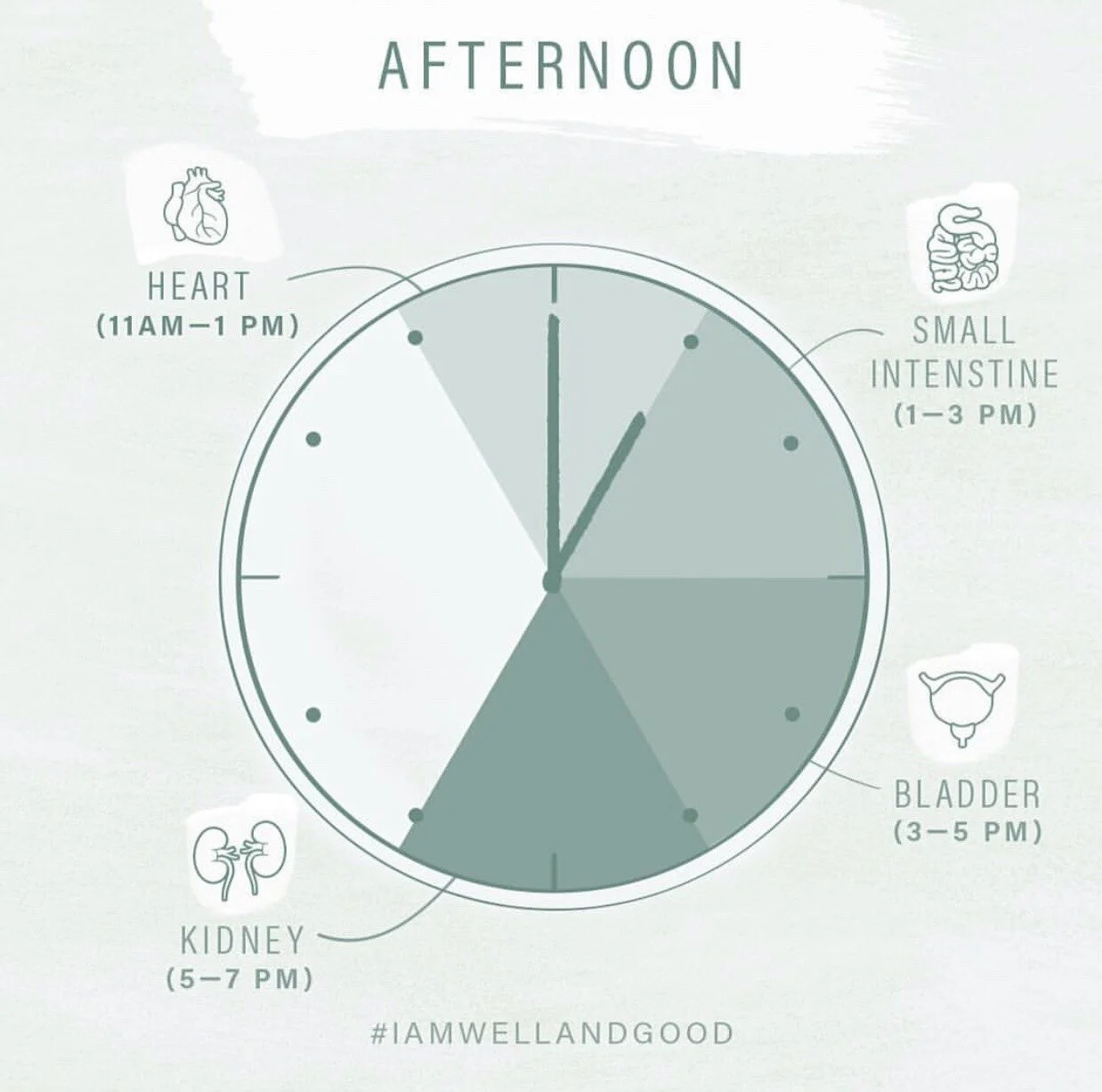
KIDNEY TIME: 5 - 7pm
CLIMATE: Cold
ELEMENT: Water
COLOR: Black
FLAVOR: Salty
EMOTION: Fear
TISSUES: Hair, Bones, Marrow
So what does all of this mean? Here’s what you can do to be well this Winter:
Nourish Your Kidneys

PC: Ali Harrison @lightandpaperali
The Kidneys are ruled by Winter. In other words, they are the organ that require more attention and protection during this time of year.
In TCM, the Kidneys are considered our “life gate.” They store our vital energy, called “Essential Qi” and Essence (Jing) which we are born with. The Kidney’s are like our body’s batteries; they are responsible for growth & development, metabolism, temperature regulation, reproduction, as well as managing our energy levels on a daily basis. Just like with any battery, there’s a limit to how much we can expend. Chinese Medicine reminds us to use our Kidney energy and Jing wisely since we are only born with so much. Although it naturally declines with age (no matter how much we try), there are lifestyle habits and choices that can deplete it sooner.
THINGS THAT WEAKEN THE KIDNEYS
Too little sleep
Long hours of physical/mental exertion
Prolonged exposure to a cold environment
Feeling stressed all. the. time.
Nutrient depletion from poor diet
Drug & Alcohol abuse
Chronic Illness
How to know if your Kidneys need support…
In practice, there are some key symptoms I look for when assessing if someone has, what is called, a “Kidney Deficiency.” This does not mean there is something “wrong” with your Kidneys in the sense that you need to seek out immediate medical attention. However, they are indications that an imbalance exists and, if not addressed, can decline over time:
Kidney Qi Deficiency
Translation: You have a mild depletion in Kidney Qi. This is one of the earlier, less chronic patterns I see where the Kidney’s ability to hold, store, and filter is compromised:
Dizziness, tinnitus (ear-ringing), decrease in hearing, weakness in low back, low back pain that is dull/sore/achey in nature, back pain worse with exertion, chronic fatigue, low libido, nocturia (bed-wetting in the evening), mild anxiety, depression, takes a longer time than normal to recover from illness, frequent illness.
Related Conditions: Adrenal Fatigue, Low Back Pain, Insomnia
Kidney Yang Deficiency
Translation: You have lower reserves of “Yang” energy that warms, moves, and promotes the functions of other organs. As a result, you will notice ‘cold signs’ and conditions where poor circulation, slowed metabolic and mental processes, plus a lack of ‘holding’ is apparent:
Extreme sensitivity to cold, feeling cold constantly (despite attempts to layer/warm up), cold feet, cold/sharp pain sensations in low back, weakness in knees and back, forgetfulness, feeling withdrawn, depression, exhaustion, sluggish metabolism, weight gain, loose stools, edema, urinary incontinence, low libido, infertility, impotence and spontaneous ejaculation in men; amenorrhea (loss of menstrual cycle) and ovulation disorders in women
Related Conditions: Reynaud’s Syndrome, Hypothyroidism, Dementia, Depression
Kidney Yin Deficiency
Translation: You have lower reserves of “Yin” energy that is responsible for cooling, anchoring, and moisturizing the body’s tissues and other organs. This manifests in ‘heat signs’ and conditions where dryness, malnourishment, and a ‘rising’ dynamic is evident:
Dry mouth or throat (especially at night), always thirsty, night sweats, restless sleep, hot flashes, feelings of heat in chest/palms/feet, dark urine, constipation, tinnitus (ear ringing), declining muscle mass (thin body type), stiffness in joints/muscles, chronic low back soreness, forgetfulness, panic attacks, hair falls out easily, for men: premature ejaculation, for women: recurrent UTIs, vaginal dryness, infertility
Related Conditions: Kidney Stones, High Blood Pressure, Perimenopause, Hyperthyroidism
Kidney Essence Deficiency
Translation: You have significantly lower reserves of Kidney energy in the form of “Essential Qi” and Jing, possibly from birth, a combination of lifestyle habits that ‘used up’ your reserves, or just because you might be older in age. Jing can be compared to our genetics. Just like how DNA is a blueprint for our development (with several factors—including lifestyle—influencing its expression later on in life), Jing is the deepest-stored component that affects our health and longevity. When a Jing deficiency is apparent, conditions that affect aging, the bones, teeth, and the brain/mental functioning are apparent.
Physical disabilities (especially in the bone-level), slow recovery from injuries and illness, cognitive/learning disabilities, delayed growth/puberty, accelerated aging (looking older than you are), premature hair loss, hair graying, severe forgetfulness/memory loss, infertility (low ovarian reserve, poor egg/sperm quality)
Related Conditions: Alzheimer’s, Genetic Disorders, Osteoporosis, Rickets
Please Note: These are not all of the patterns and symptoms associated with the Kidneys, but reflect the most common ones to give you an idea of what each pattern looks like.
Now that we’ve established why it’s important to protect the Kidneys, read on for some tips on how this season.
Winter Wellness Tips

PC: Joanna Keler @joanna_keler
LAYERS ARE LIFE: STAY WARM
Cold is not just a temperature in Chinese Medicine, it’s a pathogenic factor—and the most obvious culprit for that nasal congestion and stiff neck in the Winter months. Think about what happens when you’re cold: your body becomes tense. Why? The cold constricts blood vessels, limiting circulation and nourishment to our muscles and joints, causing pain and stiffness. I work with a lot of people during the Winter who have pain from exposure to the cold. Yes, Acupuncture plus Moxa (TCM heat therapy) is helpful, but prevention is still the best medicine, so here are some precautions you can take:
Keep your neck and back covered: these are areas where pathogens like the cold and wind can easily enter the body. The back of the neck is called the “Wind Gate” for this reason! If left exposed to the elements, you’re more likely to catch a cold. So layer up, especially outdoors or if you work in a cold environment.
Keep you feet warm—The Kidney channel begins on the sole of the foot, so warm feet will prevent cold from moving up the channel and affecting the Kidneys themselves. Anytime I see cold feet in practice, I know the Kidneys are involved and can use some strengthening.
PC: WELL + GOOD @iamwellandgood
Keep your digestive fire strong
During the Winter, we want to be mindful of supporting our Kidneys as well as our digestive system—and in TCM, these are closely linked. The Kidneys are considered the root of our “digestive fire” (if you picture a pot on the stove: the Kidney Yang is the flame below) which maintains our metabolic processes, making sure our Spleen/Stomach can transform and distribute nutrients efficiently. In the Winter, you can keep your digestive fire strong by eating mostly warm, easily digestible, and cooked foods. This is not the season for shakes, smoothies, and salads, whose cold-raw nature can make our digestive system work harder to process what its being given, leading to sluggish digestion, bloating, gas, and loose stools.
I’m not saying you can’t or shouldn’t have any cold-raw foods (that is not realistic), but at least in moderation. Pairing those foods with some warming spices (ginger, cardamom, cinnamon) or a cooked side-dish helps too. In general, Winter is a time for cooking foods for longer at lower temperatures, which makes stews and soups ideal.
Crave Salt? Moderation is key for embracing the flavor of Winter, Salty, which nourishes the Kidneys. A Little salt is good and even necessary for our bodies, just not too much. If your energy drops at 5-7pm, this means your Kidneys (and Adrenals) can use some support; having a salty snack at this time can help.
Other Kidney Nourishing Foods:
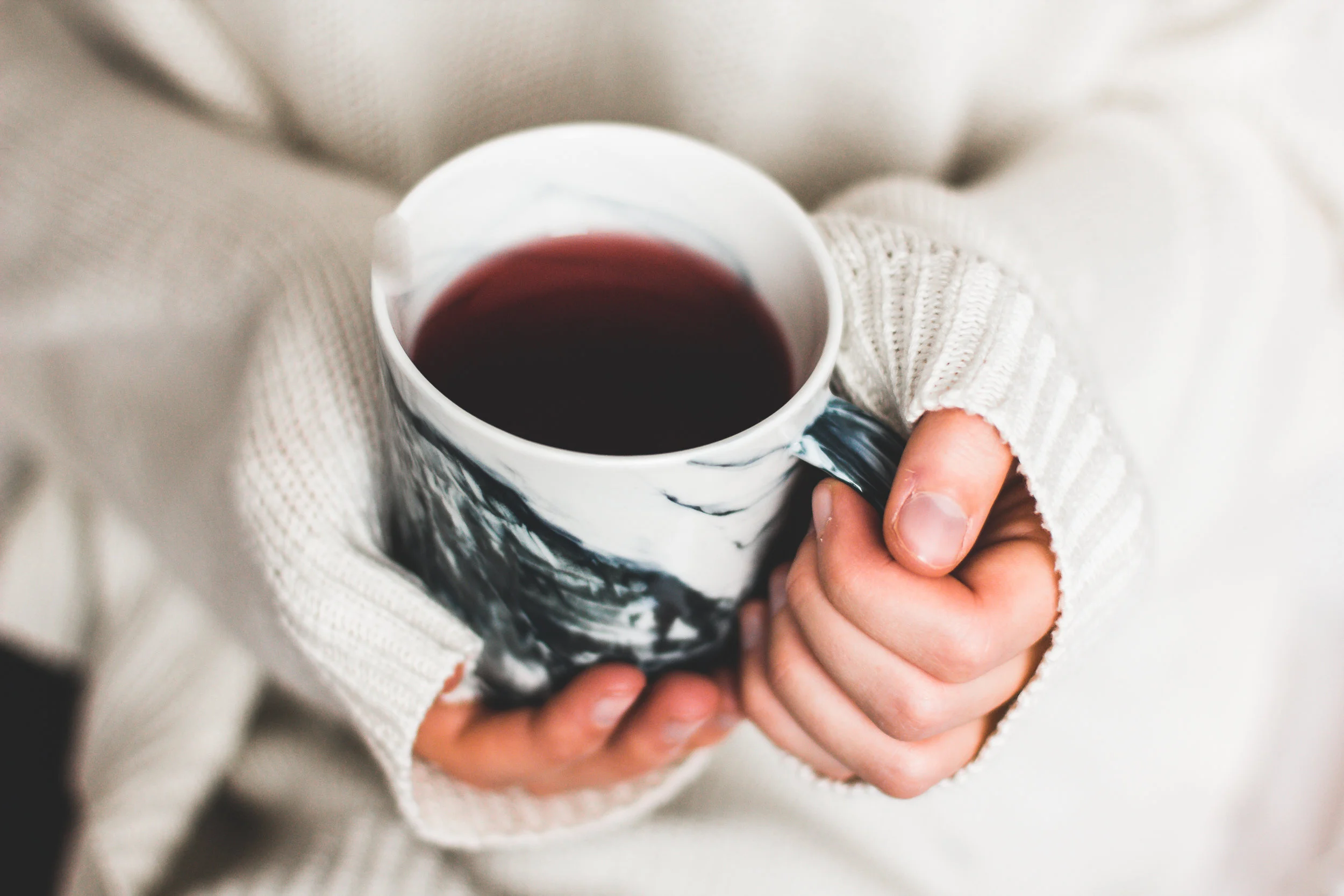
Black Foods: Blackberry, Black Beans, Black Tea
Micro-Algae: Spirulina, Seaweed, Nori, Chlorella
Greens: Escarole, Endive, Bock Choy
Root Vegetables: Sweet Potato, Turnip, Beets
Whole Grains: Oats, Barley, Amaranth
Nuts: Water Chestnut, Walnut
Broths: Bone Broth or Veggie-based

ASSESS THE ROLE “FEAR” PLAYS IN YOUR LIFE
In TCM, emotions are a known cause for illness, and each one affects our organs in specific ways.
Fear is the emotion that governs the Kidneys. Unlike its bad rep, fear is actually a normal and healthy emotion—its purpose is to protect us. It is when we try to ignore our fears that they tend to grow, become chronic, or even irrational which keeps us from having the willpower to make basic decisions and live our life. It’s no surprise the Kidneys govern fear: in Western Medicine, the Kidneys house our adrenal glands, which produce cortisol and norepinephrine when we are faced with threatening situations, stress, and major life changes. Those cliche expressions hold some truth: getting “cold feet,” meaning you could not make a move due to fear—that describes a weakness in the Kidneys! That concept of getting “stage fright” with involuntary urination? Fright weakens the Kidneys to the point it cannot withhold qi and body fluids. You see? It’s all connected.
Not all fears can be rationalized though, and I encourage my patients struggling with deep-seeded ones to work with a therapist in addition to Acupuncture.
If you know that fear holds too much power in your life, try sitting with it. Allowing yourself to feel your fear gives it less power over you—as uncomfortable as it might be to let your mind wander there, it can feel liberating. When each fear crops up, sort through it: see what your fear is trying to protect you from vs. what is worth stepping outside your comfort zone for.
ACUPRESSURE
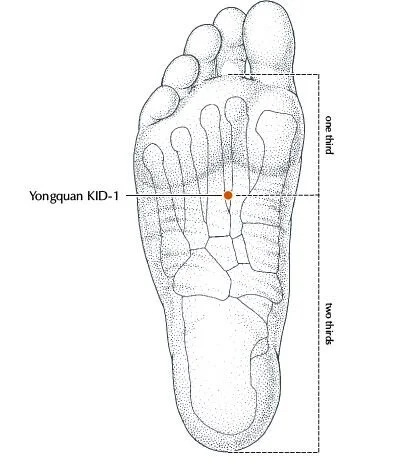
The Kidney Channel starts at the base of the foot, in a point called Yongquan—Gushing Spring. This is a great point for strengthening the Kidneys (Adrenals too) plus as the lowest point on the body, it has a powerful descending and grounding effect.
Use It For:
Anxiety, Insomnia, Vertex Headaches, Hypertension, Nausea, Hot Flashes, Poor Memory, and disorders of the throat/tongue (inability to swallow, loss of voice)
To Find It:
Feel for a tender depression on the bottom of your foot, between your second and third toe. This point is at the base of the ball of your foot, just before the arch.
To Activate:
Press this point for 30-60 seconds as needed during the day, such as if you experience a drop in energy during the early evening hours (like 5-7pm—the Kidney‘s time), or if you feel like you can’t ‘get out of your own head,’ this is a good point to help you feel settled. Press to your comfort level, but it should feel a little tender.
Well, there you have it!
I know it’s a lot to reflect on, but that’s what this season is for after all.
I wish you a Winter filled with realizations, still moments, good health, and the conviction to follow your path.
. . .
Disclaimer: Information contained in this article is not meant to diagnose or treat any medical symptoms/condition. If you have any health concerns or an emergency, seek out medical attention. If you are a patient of ours with a health concern, contact us so we can help and make appropriate referrals as needed. If you have questions, feel free to reach out via email at empowerchiroacu@gmail.com. Thanks for reading!