

Zombies, Liver Toxicity, and Leaky Gut: Why Painkillers Should Have New Warning Labels
As popular as Tylenol, Advil, and other common pain killers are, they are not as harmless as our culture has lead us to believe. Learn about the lesser-known, surprising, and severe ways these these tiny pills affect our bodies and brains.
By Dr. Lauren Dyer
(DAC, LAC, DIPL. AC - NCCAOM)

“Just take a Tylenol.”
You hear it in commercials, in conversation with co-workers, family, and friends—maybe you were told this since childhood so now you don’t even question it. But should you? Why be in pain if you don’t have to? Isn’t it harmless?
The short answer is no. Tylenol, Advil, and other common pain killers are not as benign as we have been culturally indoctrinated to believe. Just because they are available over-the-counter does not make them safe or safer than prescription opioids. Recent studies show that even the suggested dose can cause harm to our bodies and negatively affect our mental + emotional health.
Before we get into that, here are some things to keep in mind...
The main ingredient in Tylenol is acetaminophen. It is the most common drug compound in the United States, found in over 600 medicines. It is estimated that 23% of the population (about 52 million American adults) takes a medicine containing acetaminophen a week.
If it’s so popular, what’s the big deal, right?
For starters, acetominophen is the #1 cause of acute liver failure in America, with a little over 110,000 injuries and deaths linked to Tylenol (and its generic versions) annually. By impairing the liver’s ability to detoxify chemicals ingested, even the “safe” suggested dose poses a risk.
Tylenol’s toxicity is linked to depleting glutathione, an essential antioxidant responsible for managing free radicals and inflammation in the body. Given how vital glutathione is for brain health, it’s no wonder that ingesting Tylenol blunts our emotions—limiting our ability to feel pleasure or pain just one hour after use. This observation was so startling that researchers called it a “zombification” effect.
That’s right.
Zombies.
Tylenol figuratively turns us into the undead by diminishing our sentience.
A 2015 study from Ohio State University had half of its participants take 1,000mg of Tylenol while the rest took a placebo. After one hour each group was shown pleasant and disturbing photos. In both scenarios, those who took Tylenol had lower sensitivity and emotion ratings compared to those who took a placebo.
For reference, 1,000mg is two Extra-Strength Tylenol pills, with the “safe” upper limit being 3,000mg. So the fact that a “normal” dose can exert that much of a physiological and psychological change is pretty alarming, if not totally disturbing.
The implications for how such a seemingly harmless drug contributes to “psychiatric-like” side effects such as depression, irritability, and apathy should not be ignored.
What About Anti-Inflammatory Drugs?
Unfortunately, Non-Steroidal Anti-Inflammatory Drugs (NSAIDS) like Motrin, Aleve, Advil, or Ibuprofen are not innocent either. In order to reduce aches and fevers, this class of drugs works by reducing the number of prostaglandins in the body—molecules that protect our gut lining, support inflammation needed for healing, and blood clotting. The result from habitual use? Increased gut permeability (aka “leaky gut” which sets-off an auto-immune response linked to chronic illness & psychiatric-like symptoms) ulcers, and intestinal bleeding.
Not everyone who takes NSAIDS will get side effects, but the odds are not in our favor. A 2005 study by Gastroenterologist Dr. David Graham used a small endoscopic camera to compare structural intestinal changes between NSAID users vs. non-users. He found that 71% of NSAID users had damage in the small intestine lining compared to 10% of non-users. The interesting but insidious fact was that nobody in the study reported GI symptoms, even though the damage was already done. For women it’s worth noting that NSAIDS interfere with hormone balance and fertility. Studies show they can inhibit ovulation and lower progesterone levels after just 10 days of use.
Now What?
On a personal and collective level, it’s time to re-consider our reflex to reach for Tylenol and other OTC pain-killers at the first sign of discomfort.
Instead of viewing our symptoms as inconveniences that need to be silenced, endured, or defeated, what if we appreciated them for how intelligent they are—that they communicate with us when something isn’t right. Slowing down and tuning inwards to listen to why they are appearing in the first place is the first step to healing them.
Understandably, you need to work, provide, and pain is incredibly inconvenient.
But is it worth the liver toxicity, numbing our humanity, while leaving us with an increased risk for chronic illnesses because the integrity of our intestinal lining has been compromised? Let’s not forget, once the drugs wear off, the pain inevitably returns.
What would you rather do?
A Better Way…
If you want pain relief that is safe, natural, and evidence-based, you can consider:

TUMERIC
For centuries tumeric has been known as a medicinal herb in Chinese Medicine and Ayurveda for its anti-inflammatory properties. I suggest patients add it to their cooking or supplement with it regularly for preventative measure.
CURCUMIN
Curcumin is tumeric extract, as its the active ingredient that rivals NSAIDS at decreasing inflammation. Studies show it can be used for general pain, osteoarthritis, menstrual cramping, post-operative pain and more.
Be sure to talk with your healthcare providers before taking any supplements.
CHIROPRACTIC
SHARYN PEAVEY PHOTOGRAPHY
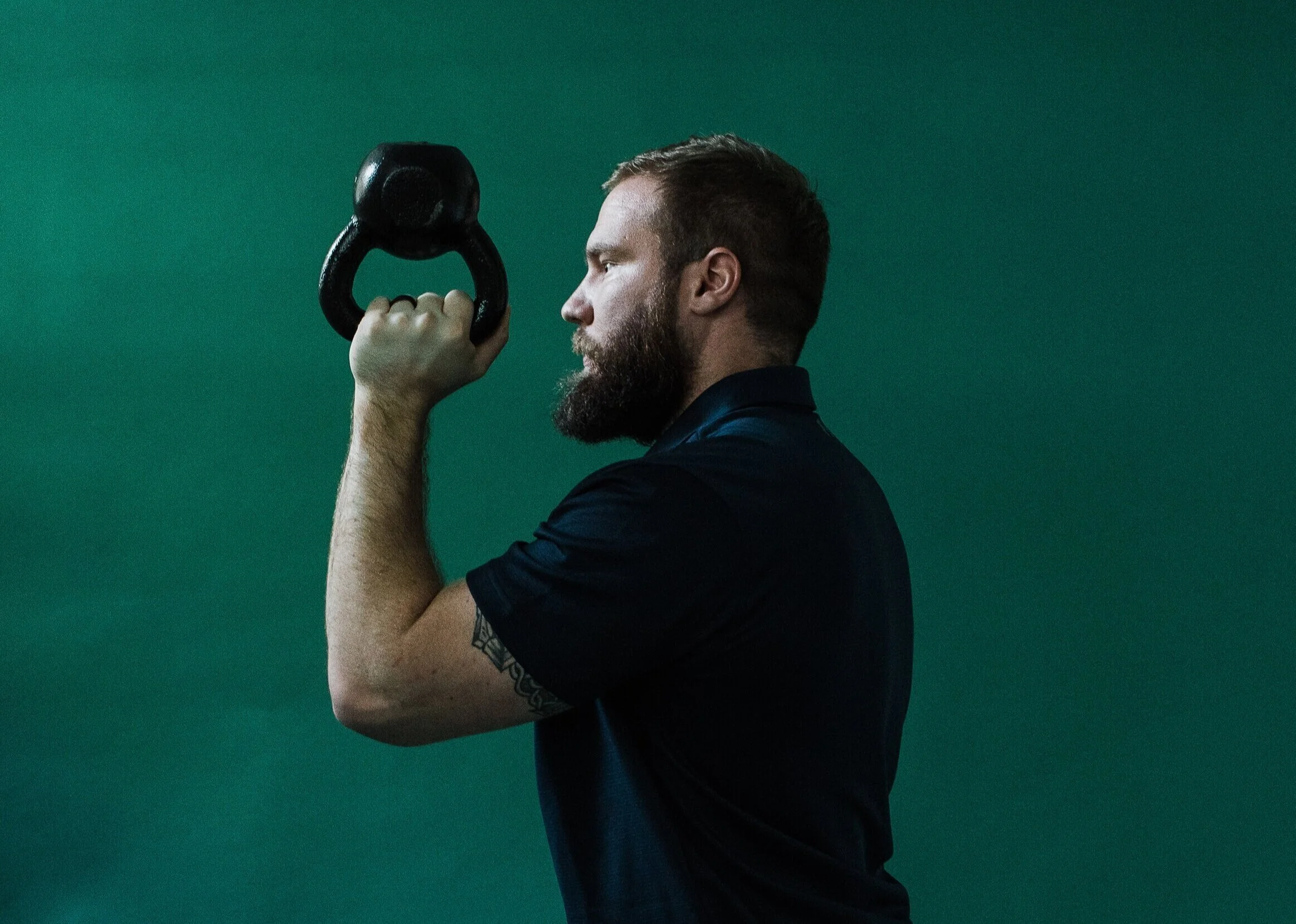
Our Chiropractic care is comprehensive. Instead of just relying on joint manipulations, we look at the bigger picture of how your muscles, movement patterns, relate to your pain. When you collaborate with us, we will give you the tools and knowledge to understand these relationships, plus how to prevent and improve your pain beyond your appointments.
By helping you take your pain and healing process into your own hands, our patients see quicker results with longer-lasting relief.
These are some of the reasons why we are not your average Chiropractor.
ACUPUNCTURE

By mobilizing the body’s healing response, promoting the release of endorphins and endogenous opiates (your body’s own pain-killers), and regulating your brain’s stress response, Acupuncture works on both the body and mind to creates a solid foundation for sustainable relief.
Through our integrative and holistic approach, we can identify and treat the root causes to your pain—allowing for a complete healing process with lasting relief rather than masking it.
Learn more about Acupuncture for chronic pain, mental health, and related conditions in this overview of scientific research here.
So next time someone says “just take a Tylenol,” weigh its effects, do your own research, and talk to your healthcare provider so you can make the most informed decision for your well-being.
To learn more about how we can manage your pain safely and effectively, reach out with any questions.

SHARYN PEAVEY PHOTO
Hi, I’m Lauren Dyer, the Co-Founder and Doctor of Acupuncture here at Empower in New Gloucester, Maine.
I specialize in supporting those for Chronic Pain Management and Mental/Emotional Well-Being. In Traditional Chinese Medicine, these are areas that not only relate to and reflect one another, but are also close to my heart. I consider myself lucky because I truly love Acupuncture and what I do. Getting to connect with others while empowering them to live with a renewed sense of relief, inner peace, and vitality are some of my greatest joys. So if you are struggling with chronic pain, anxiety, depression, sleep issues, the residual effects of trauma, a difficult transition, or other related symptoms, I am here to help you navigate and own your healing process.
DISCLAIMER:
This article is for educational purposes only. We are not responsible or claiming to be responsible for any recommendations regarding the continuation or discontinuation of any of the pharmaceutical drugs mentioned. The information presented in this article is not meant to diagnose or replace the treatment for any medical condition. Please seek out professional care as needed.
SOURCES
A Mind of Your Own and Own Yourself by Dr. Kelly Brogan, MD
“Visible Small Intestine Mucosal Injury in Chronic NSAID Users” PMID: 15645405
“Curcumin” on Examine.com (Science-Based Nutrition & Supplement Information)
Acupuncture for Pain Relief: Research Summaries on Evidence-Based-Acupuncture

Not Your Average Chiropractor
If you think all Chiropractors are the same, this article is for you. There is a reason why people drive from all over Maine to work with Dr. Travis Dyer.

“He’s not your average chiropractor.”
—Patient Testimonial
“If you have been used to visiting a clinic to sit down and have your chiropractor only crack you where it hurts, this is not the place for you.” —The Maine Business Review
You may have seen this quote in our patient’s reviews and social media posts.
But what does this even mean?
Aren’t all Chiropractors the same?
The short and definite answer is no, but let’s explain why…
Typically when people think of going to see a Chiropractor, they envision getting their spine “cracked” or “manipulated” but that’s pretty much it. They think the “adjustment” is the main purpose for the whole appointment. That’s because most Chiropractic offices are set up so that once you check in with reception, you go into a treatment room to have a heating pad or e-stim applied for a few minutes, sometimes by an assistant, before the doctor comes in to adjust you. At some offices, appointments are even shorter—you might be in a room with several other people and the doctor will go down the line adjusting everyone, hence the “rack and crack” treatment style name. Overall at these places, you can spend 10-15 minutes there, and be asked to return up to 3x/week for months receiving practically the same exact treatment.
Does this sound familiar? If you have had treatments like these you wouldn’t be alone: the majority of our patients who make their way to see us have described these scenarios as their only other experience with a Chiropractor.
But how effective is that style of care?
You might feel better for a few hours after treatment but the truth is, by only adjusting the joints, this type of treatment does not address the underlying muscular issues that are actually what cause joint restrictions and pain in the first place. After all, the joints are a “passive” system, meaning they do not move on their own. It’s the muscles that control the movement of your joints in the first place. So if you have been told that your spine is “out of alignment,” the real culprit is typically dysfunctional muscles causing joint restriction.
THIS is where our philosophy of care and treatment style deviates from the norm...
We know that painful conditions are rarely isolated in the joints, which is why Dr. Travis Dyer always looks at the bigger picture by:
Connecting what muscles are involved (just because you feel pain somewhere does not mean it’s from that spot—sometimes it is “referred pain” from up or down the kinetic chain)
Recognizing when (and what) muscle(s) requires stretching, strengthening, or stabilizing to improve the patient’s condition
Treating the involved muscle dysfunctions with therapies such as Active Release Technique, Soft Tissue Mobilization (including Instrument Assisted like “Graston”), and PNF (Proprioceptive Neuromuscular Facilitation) stretches—basically, a fancy way of pre-fatiguing the muscle to get a better stretch reflex
Assessing problematic movement patterns and educating patients on corrective exercises to restore mobility and reduce pain
If this sound pretty time-consuming, it is!
Your first appointment with Dr. Travis Dyer is a full hour long, one-on-one with him the entire time. He will guide you through a full orthopedic and movement assessment to get a better understanding of your bio-mechanics and what is causing the pain. This allows him to formulate your treatment to your condition, which includes a lot of the soft tissue work mentioned above. He communicates with you about what he finds and how he would like to approach treating it.
But that's not all!

Sharyn Peavey Photography
During the last 10-15 minutes of your appointment, Dr. Dyer will give you stretches and exercises to perform at home (or at the gym) so YOU have the tools to prevent the problem from returning, or at least maintain relief until your next treatment. Sometimes at the very end , after all of that, he will adjust the area of the spine that needs it, because the joints still do become restricted. Follow up treatments are a half hour long and involve re-assessing, treating, and adding/changing exercises as needed to keep you progressing.
Treatments are always dynamic and adapted to what your condition requires that day.
So as you can see, his treatment style is comprehensive. This not only leads to quicker results and longer-lasting relief, but it also means less treatments are needed overall! Most treatment plans start at once a week and are resolved by the third to fifth treatment—NOT the typical “I’ll need to see you three times a week for six months” where you just hope for some improvement. Nope—not happening here!
That’s also why our practice is named Empower—it’s what we aim to do. We want to help you learn more about your body and how to care for it to make the most of your every day activities. We give you the ability to engage in your treatments and take control of your care plan instead of you handing the keys over to someone who intimidates you into some long-term treatment plan with minimal effort and results.
That is why Dr. Travis Dyer is “not your average Chiropractor.”
To schedule, book online below or call our office (207) 926 - 1375 to learn more!