

Five Tips For Health This Fall
In Traditional Chinese Medicine, living seasonally is essential to prevent illness and safeguard the balance of our body’s systems. Here are five of my most essential tips to stay healthy this Fall!
By Lauren R. Dyer, DAC

Photo by Allison Christine via Unsplash
In Traditional Chinese Medicine (TCM), living with the seasons is essential to prevent illness and safeguard the balance of our body’s systems. This is because as our external environment changes, our internal (physical) health shifts too. Some examples of this are apparent everyday, even if we do not give them much thought. For instance in the Fall: it gets darker earlier prompting our circadian rhythms to adapt, our mood might change with decreased sunlight and absorption of Vitamin D, while the chill in the air tenses our muscles right up. Just like how these changes are anticipated from a Western view, for centuries doctors of Chinese Medicine also observed this natural phenomena. They came to understand how the seasons impacted our physiology, and as a result, gained wisdom of ways to adapt.
In TCM, Fall has a nature all its own: it is the season where the dynamic, warming, and active Yang energy of the summer wanes into the more structured, cooler, and introspective Yin phase of the year as we prepare for Winter. Autumn is associated with the Metal element and Lungs which govern the skin, respiratory system, immunity, and the emotions of grief/sadness.
The Fall is also dominated by dryness and wind which can attack the Lung, leading to common symptoms such as a scratchy throat, a dry nose, chapped lips, dry cough, etc. To protect the body from these factors, preventative health for Fall focuses on warming and strengthening the body.
So as the temperature drops, leaves change, and cold-season abounds, here are some ways to stay healthy this Fall according to TCM:
Tip #1:
Enjoy Mostly Warm-Cooked Foods & Drinks

In TCM, keeping your digestive fire stoked is important for your overall well-being. Having a strong Spleen and Stomach are essential for nutrient absorption, distribution, and a healthy immune system (aka your gut microbiome). When the temperature cools down, so does the energy of our digestive system. This is why cold and raw foods (salads, smoothies, ice cream, yogurt, etc.) can damage your digestive fire when consumed too frequently, especially in the cooler months. Instead, opt for foods that are cooked. These will warm your body and keep your digestive fire revving this time of year. After all, tis' the season for soups and stews anyways. If you still need your daily salads, try adding a cooked veggie, meat, or grain (like quinoa or rice) to offset the cold nature of the greens. Or if you are more of a shake/smoothie person, try not adding ice, using fresh (not frozen) fruits/veggies, adding a slice of fresh ginger root, or waiting to drink it at room temperature. You might find yourself pleasantly surprised with what one week of eating (and drinking) warm things will do for your digestion, especially if you notice you tend to bloat easily, get tired after meals, or have IBS-like symptoms such as loose stools. To learn more about optimal digestion in TCM, check out this post of ours on Instagram.
Tip #2:
Keep Your Neck Covered

Just like how allergens, bacteria, and viruses can be seen as pathogenic factors in the West, in TCM, environmental elements (such as Wind, Dryness, Heat, Fire, Dampness, Cold, etc.) can become the cause for disharmony and illness in excess through exposure or when generated internally. Wind for example is considered a vehicle for illness, as it carries airborne pathogens that can make us sick. It's no coincidence that the back of the neck is considered the "Wind Gate" and several Acupuncture points along that area have "Wind" in their name (like GB-20 "Wind Pool" and DU 16- "Palace of Wind"). When our neck is exposed in the Fall, we can get sick more easily. This is also why a stiff neck is considered an early symptom of a cold in TCM. So, whether you want to don a scarf the size of a blanket or at least a jacket with a high collar, remember to cover your Wind Gate this Fall.
Tip #3: Work Through Your Sadness + Grief

Each season invites us to change in different ways, and part of that process usually means letting go in others. Fall signals the start into the end of the year…a time for introspection while looking at what mindsets and habits are no longer worth your energy, and re-structuring accordingly (think: back to school, Virgo season energy). In TCM, Fall is also associated with the Lungs, which govern emotions of grief and sadness. One of the reasons I fell in love with TCM is how it respects and understands how emotions (especially when excessive or repressed for too long) can affect our physical health. For example, sadness and grief tend to manifest in the Lungs as respiratory issues: a sudden (or chronic) cough, asthma, wheezing, and chest tightness, or repeatedly waking between 3-5am (the Lung’s time according to the Chinese Medicine Body Clock). Because the Lungs neighbor the Heart, there can also be palpitations, anxiety, and a racing beat.
When repressed for too long, grief can also generate an imbalance in the Lung’s partner-organ: the Large Intestine. Just as the Lungs are responsible for taking in, the Large Intestine is for…you guessed it, letting go. Our ability to release control and the hold the past has on us is reflected in the Large Intestine. Rather than thinking of letting go as “forgetting,” think about it as giving yourself the chance to move forward. It’s not that grief goes away, but the ways it shows up and affects us can change over time.
Acupuncture is a gentle way to create the space and a safety for the body to release the heavy emotions and somatic memories tied to experiences of difficult transitions and loss.
Tip #4: Drink Lemon, Ginger & Pear Tea

When life gives you lemons, like a cold or chronic allergies, make a Lemon, Pear & Ginger Tea to combat it! It's basically a warm, spicy lemonade... Plus, it's high in Vitamin C, thanks to the Lemon, while the Ginger has anti-inflammatory properties, making it a necessary combo for cold season. In TCM, pears are said to nourish and moisten the Lungs - ideal for those pesky dry coughs and sore throats. Honey balances the ginger's spiciness, and if it is local, it will have bonus immune-supporting properties. This is a tea I make in large batches and sip as a background drink during the day - because let's face it, how can I care for others if I am sick? I don't have time for that.
Chances are, you don't either.
Here is a quick and easy recipe:
What You'll Need: 1 Pear, 1 Lemon, 3-4 pieces of Ginger Root (sliced into 1" pieces), Honey to taste, (the more local, the better)
What You'll Do: Combine the sliced lemon, ginger root, and pear into a small pot. Add 4 cups of water (6 cups for a more diluted flavor). Bring to a boil and then simmer for 5 minutes. Serve and add honey to taste! Allow it to cool as needed & enjoy!
Note: This tea is meant to have a strong flavor, but if you want something more mild, reduce the ginger. If you have signs of internal "heat" aka prone to anger/irritability, yellow phlegm, fever, excess sweating, or hot flashes - ditch the ginger.
Tip #5: Get Acupuncture & Gua Sha Preventatively

Photo Credit: Sharyn Peavey Photography
Acupuncture is a ancient medical therapy that uses hair-thin, single-use, and sterile needles to facilitate your body’s own healing process—and supporting your immune system (aka your “Wei Qi” or Defensive Qi) is a huge part of that. Acupuncture has been shown to reduce inflammation, release endorphins, promote circulation while restoring the proper functioning or energy (called “Qi") to your body’s systems. There are several Acupuncture points that I use regularly to alleviate sinus pressure, stop headaches, reduce allergies, clear phlegm, and strengthen the Lungs.
Also, remember the "Wind Gate" from Tip #2? During the Fall, Gua Sha is another versatile soft-tissue therapy applied along your upper neck and shoulders at the earliest signs of a cold (stiff neck, sniffles, you know the feeling) to keep it from progressing. Compared to antihistamines and other OTC allergy medications which rarely come without annoying-to-harmful side effects (or rebound-symptoms from overuse such as the case with nasal decongestants), Acupuncture and Gua Sha are effective therapies that treat beyond the symptom level to promote sustainable relief.
In addition to individualized care, we will collaborate on strategies for you to adopt beyond the treatment setting so you can take your health into your own hands—because that is my goal for you and all of my patients. For additional guidance going into the season ahead, feel free to reach out or when you’re ready, schedule online.
Thank you for reading & take care!
—Dr. Lauren Dyer
“Recently I have had sessions of acupuncture with Lauren, and it was beyond helpful. I originally went to see her for help with my anxiety and the initial consult took us further into a number of issues I had been having. After just two sessions so much had improved. It was like a fog had been lifted. And one of the biggest difference was she has started to treat my allergies and despite being in peak
Pollen season; I DIDN’T NEED TO TAKE ANY ALLERGY MEDICINE!
Usually I would take take about 4 a day during this time. I went in for one thing and Lauren guided me through a treatment cycle that helped improve my daily life noticeably on many levels.”
. . .
Disclaimer: Information contained in this article is not meant to diagnose or treat any medical symptoms/condition. None of these claims are intended to infer prevention of the flu, common cold, or other respiratory illnesses. If you have any health concerns or an emergency, seek out medical attention. If you are a patient of ours with a health concern, contact us so we can help and make appropriate referrals as needed.

Acupuncture for Anxiety
Anxiety is a symptom. It’s a normal reaction to abnormally stressful situations yet it’s exploded as the diagnosis of our nation. Find out how Acupuncture treats the root causes to anxiety plus the science behind why this ancient medical practice is so naturally effective.
By DR. Lauren Dyer
DAC, LAC, DIPL. AC (NCCAOM)

It’s the diagnosis of a nation.
Anxiety eclipses depression as the most common mental health concern in the US, affecting 40 million adults. Given the current state of affairs, this number is without a doubt higher, affecting everyone in their own ways.
Even before these strange and uncertain times, anxiety has been on the rise.
The American Psychiatric Association ran a poll on 1,000 U.S. residents in 2017, and found that two thirds were “extremely or somewhat anxious about health and safety for themselves and their families and more than a third are more anxious overall than last year.” In 2018, poll was repeated and Anxiety had spiked by another 5 percent.
These findings are on par with Google Trends publishing how searches for anxiety doubled over the past five years.
Okay, so anxiety is more common than ever.
But what is it exactly?
Anxiety is an intense, excessive, and persistent worry and fear about everyday situations that interferes with daily life.
For some people, it’s more situation-based. For others, it’s an everyday struggle. Even if anxiety is common, that does not make it a disorder, or someone who has it mentally ill (more on that controversial topic and why I wholeheartedly disagree with that language here).
Anxiety is a symptom.
When not caused by nutrient deficiencies, imbalanced blood sugar, or a pharmaceutical side-effect, anxiety is a normal reaction to abnormally stressful and traumatic situations.
“Anxiety is a normal response to abnormally stressful or traumatic situations”
Like grief and anger, anxiety is part of the human experience that should not be deemed a disorder and stigmatized. Unfortunately there is still a lot of shame people feel around acknowledging they have anxiety, let alone choosing to seek help. If you are one of those people, I am writing this for you. You are not alone, nor can you expect yourself to “be positive” all of the time. Not only is that unrealistic, the pressure of trying to keep-up that facade just makes it worse. In my personal and professional opinion, what is realistic is reframing the way we as individuals, a culture, and healthcare system look at mental health.
Think about it…
What if instead of labeling anxiety a “mental disorder” that needs to be chemically managed, we considered it a symptom that can be healed?
If we did, treating it could be reframed too, with less emphasis on numbing your feelings, and mode on holistically addressing the root culprits and circumstances causing it in the first place.
“What if instead of labeling anxiety a mental disorder that needs to be chemically managed, we considered it a symptom that can be healed?”
Thankfully, there are branches of medicine doing just that: Functional Medicine, Naturopathic Medicine, Psychoneuroimmunology, and of course, Traditional Chinese Medicine (TCM).
The Mind-Body Connection in Eastern Medicine:
For centuries, Traditional Chinese Medicine (TCM) has known how interconnected the body, mind, and emotions are: how long-suppressed and intense can emotions can become trapped in the body, later showing up as physical health issues. Likewise, when an organ system is affected, its paired emotion will surface (think: alcohol’s effect on the liver, which for some drinkers leads to anger). You can learn more about the Emotion-Organ Relationship in a blog I wrote here.
Thousands of years ago, TCM practitioners may not have used the term “anxiety,” but they established that worry damages the Spleen and Stomach—what modern medicine now calls our Gut Microbiome. Or how fear weakens the Kidneys—which we today know how our adrenal glands (which rest on top of the Kidneys) release stress hormones when we feel threatened.
It’s no coincidence. TCM has always accepted how the mind affects the body, and vice versa.
So how does Acupuncture help with anxiety?
A Personalized Approach:
When supporting those with anxiety, my approach is personalized to you and your experience of it. Just as the reasons behind anxiety are different, the way it shows up in the body can be too—so why would I (let alone more conventional avenues) treat it as if they were the same?
As an Acupuncturist, one of the ways I identify the root causes comes from asking questions during your first appointment.
When you get anxious, do you experience:⠀⠀
a racing mind, especially at night?⠀⠀
night sweats or tossing/turning?⠀
palpitations worse when you’re tired?⠀⠀
chest tightness or pain? ⠀⠀
dizziness or trouble focusing?⠀⠀
full-on panic attacks? ⠀
a sensation of having a lump in your throat?⠀
easily frightened or indecisive?
a wave-like feeling in your gut? ⠀⠀
loose stools or stomach pain?⠀⠀
sadness or shortness of breath?⠀⠀
angry or irritable easily?
vivid or disturbing nightmares?⠀
I also make sure to ask:
If there is a history of trauma (if so, only share what you are comfortable with)
What your diet is like (to rule out any potential nutrient deficiencies)
What medications you are on (to rule out if there is a side-effect taking place)
Each answer tells me something different about how anxiety is impacting your internal health.
It also signals to me which Acupuncture points to select, foods or herbs to suggest, etc.
Let’s say 10 people have anxiety—but the ways it shows up in their body, the events that have shaped its emergence, their associated symptoms and triggers can be (and often are) vastly different. As a result, there will be 10 different diagnoses and they will each receive 10 totally different treatments, all tailored to their needs.
This is one of the reasons Acupuncture is as effective as it is at alleviating anxiety: it is far from a one-size fits all approach.
By understanding your unique constitution, Acupuncture addresses the root causes behind your anxiety while treating the unique physical symptoms that arise with it.
The Science Behind It:
If you are curious about the how Acupuncture improves anxiety, check out this research:
IT REGULATES YOUR STRESS RESPONSE Via HEart rate variability
One of the most sensitive measures of the body’s ability to cope with stress is something called your Heart Rate Variability (HRV). Unlike heart rate which is the number of beats per minute, HRV is the time in between each beat. HRV measures how well your nervous system adapts to stress.
HRV is measured in the heart, but it originates in the Autonomic branch of your Nervous System which controls your sympathetic (fight-or-flight) and parasympathetic (rest-and-digest) responses.
When HRV is high, it means your nervous system is balanced—your body can adapt to stress in your environment. A high HRV is desirable because it means your brain can switch between being on high-alert and calm at appropriate times. This can look like being able to fall asleep easily when it’s time for bed and having the energy to focus at work during the day. With anxiety these can be hard to come by.
When HRV is low, it means one branch is dominating (usually the sympathetic) and sending stronger signals to your heart/organs than the other. It means your body is working on overdrive to maintain its daily functions, which leaves fewer resources for exercising, caregiving, or whatever your daily activities require. A low HRV is common if you have chronic anxiety because your body is stuck in survival mode, even when a trigger is not immediately present.
The good news is, Acupuncture has been shown to improve the body’s ability to cope with stress and lower anxiety by improving HRV:
“In patients with mild depression or anxiety, verum acupuncture but not sham acupuncture was associated with significant reductions from baseline in mean resting heart rate at 5 and 15 min after needle application…These results suggest that verum acupuncture modulates autonomic activity in response to alterations of internal and external environments, and thus reduces overall anxiety in patients with depression or anxiety.” (MacDonald, 2019)
IT RELEASES ENDORPHINS
A summary of clinical findings on Acupuncture for anxiety details how:
“When the body is under stress, an area of the brain called the hypothalamus releases neurochemicals and research shows that acupuncture can calm this response. Acupuncture has also been shown to increase the release of endorphins, the body’s own ‘feel-good’ chemicals, which play an important role in the regulation of physical and emotional stress responses such as pain, heart rate, blood pressure and digestive function. All of these mechanisms have a direct effect on reducing anxiety.”
By releasing endogenous (self-made) pain-relieving opioids and feel-good endorphins, Acupuncture supports your body’s ability to restore, regulate, and heal itself in the ways it needs—drug-free.
IMPROVES SLEEP
Quality sleep is hard to maintain when your mind can never shut off.
A literature review on Acupuncture for psychiatric conditions reported that it significantly improved sleep quality in patients with anxiety related insomnia. One of the studies cited reported that after treatment, “urine 6-sulfatoxymelatonin (a metabolite of melatonin) levels were normalized and several polysomnographic measures, as well as self-reported fatigue, sleepiness, anxiety, and level of depression, were significantly improved. Combined with the evidence of treatment efficacy in depression-related insomnia, acupuncture may have broader utility in neuropsychiatric disorders with impaired quality of sleep.”
Whether you have trouble falling asleep, staying asleep, or wake at the same time every night (the reason why can be found by looking at the TCM Body Clock), an Acupuncturist can help determine what imbalances are present to give you a specific treatment geared towards your symptoms.
IT Supports gut health
It is estimated that your gut bacteria produce about 95 percent of your body's serotonin, the neurotransmitter that influences both mood and gastro-intestinal activity (American Psychological Association). 95 percent!
This discovery has prompted a new area of research in what is called the Gut-Brain Connection. As novel as it seems, it confirms what Traditional Chinese Medicine has known for centuries about the mind-body connection. Gut feelings are no longer just a saying, they’re real.
Given how rich the gut is in bacteria and nerve fibers, it has been called a second brain—the enteric nervous system. The current evidence reveals that contrary to popular belief, the brain is not solely responsible for dictating the body’s activities. Instead, the gut-brain communication goes both ways:
“While doctors have always known that mental conditions such as stress and anxiety can lead to gastrointestinal issues – butterflies in your stomach for example, or stress-induced loose stools or nausea – increasingly it seems that the cause-and-effect relationship between mental state and gastrointestinal state may work in reverse, as well. An upset gut (ie. inflammation) can trigger changes in our mental state, suggesting that an upset in the balance of gastrointestinal (bacteria and) function could conversely be sending signals to your brain that cause neurological and emotional symptoms such as depression, anxiety and mood swings.” (Lanyon 2019)
Digestive complaints such as poor appetite, abdominal pain, nausea, and irregular elimination are some of the most common symptoms I see in patients that come in for anxiety. Thankfully, Acupuncture has been shown to have positive effects on these symptoms, especially for Irritable Bowel Syndrome (IBS) where a meta-analysis demonstrated Acupuncture’s effectiveness to be clinically and statistically significant.
SIGNALS OF SAFETY
In light of the many ways the scientific community can explain how Acupuncture helps anxiety, I have my own view that sums them up:
I like to think of Acupuncture as giving your body signals of safety.
By figuratively tapping into the nervous system, Acupuncture gives your mind and body the stillness to deliver the message that “I am safe, I am okay, I can re-balance now” so it can do just that. Along with mobilizing your body’s own resources, bloodflow, and neuro-endocrine signals, Acupuncture can help you reclaim a sense of calm and resilience to withstand future stress.
If you want to experience it for yourself and are someone who:
Has tried anti-anxiety medications in the past but found they didn’t work for you
Has tried anti-anxiety medications but didn’t like they way they made you feel or taking them lead to unwanted side-effects
Wants to taper-off your medication while having a natural therapy to support you during that process (Do not discontinue or adjust any medications without talking to your prescribing doctor first.)
Wants a dual physical and energetic medicine to compliment counseling sessions you attend, with the option to coordinate care with your therapist
Wants to avoid medications
Has “tried everything else”
Has been dismissed by practitioners and wants a more compassionate and holistic support system that ultimately puts you in the driver seat of reclaiming your health
Wants strategies and recommendations for anxiety that are meant to support long-term relief rather than a superficial quick-fix
I would be happy to support you.
Ready to get started?
Have questions?

Hi, I’m Lauren Dyer.
I am the Co-Founder and Doctor of Acupuncture here at Empower in New Gloucester, Maine.
I specialize in supporting those with Chronic Pain, Emotional + Mental Wellness, and GI health.
In Traditional Chinese Medicine, these are areas that not only relate to and reflect one another, but are also close to my heart. I consider myself lucky because I truly love Acupuncture and what I do. Getting to connect with others while empowering them to live with a renewed sense of relief, inner peace, and vitality are some of my greatest joys.
So if you are struggling with chronic pain, anxiety, depression, sleep issues, the residual effects of trauma, a difficult transition, or other related symptoms, I am here to help you navigate and own your healing process.
SOURCES:
Amorim D; Amado J; Brito I; Fiuza SM. (2018, May). Acupuncture and Electroacupuncture for Anxiety Disorders: A Systematic Review of the Clinical Research. Retrieved from https://pubmed.ncbi.nlm.nih.gov/29705474/
Campos, M. (2017, November 22). Harvard Health Blog, “Heart rate variability: A new way to track well-being.” Retrieved from https://www.health.harvard.edu/blog/heart-rate-variability-new-way-track-well-2017112212789
Chao, G.-Q., & Zhang, S. (2014, February 21). Frontiers In Genetics, “Effectiveness of acupuncture to treat irritable bowel syndrome: A Meta-Analysis.” Retrieved from https://www.ncbi.nlm.nih.gov/pmc/articles/PMC3930986/
Cheng-Hao, MacDonald, Chen, Yi-Hung, & Iona. (2019, January 10). Frontiers in Psychiatry, “The Effects of Acupuncture on Glutamatergic Neurotransmission in Depression, Anxiety, Schizophrenia, and Alzheimer's Disease: A Review of the Literature. Retrieved from https://www.frontiersin.org/articles/10.3389/fpsyt.2019.00014/full
Lanyon, C. (2019, August 19). “What TCM has known for centuries: 'New' Brain-Gut Connection.” South China Morning Post. Retrieved from https://www.scmp.com/lifestyle/health-wellness/article/3022925/brain-gut-connection-how-tcm-has-known-centuries-what
Russel, D., et al. (n.d.). Acupuncture as a Therapeutic Treatment for Anxiety. Retrieved from https://www.evidencebasedacupuncture.org/present-research/acupuncture-anxiety/

Zombies, Liver Toxicity, and Leaky Gut: Why Painkillers Should Have New Warning Labels
As popular as Tylenol, Advil, and other common pain killers are, they are not as harmless as our culture has lead us to believe. Learn about the lesser-known, surprising, and severe ways these these tiny pills affect our bodies and brains.
By Dr. Lauren Dyer
(DAC, LAC, DIPL. AC - NCCAOM)

“Just take a Tylenol.”
You hear it in commercials, in conversation with co-workers, family, and friends—maybe you were told this since childhood so now you don’t even question it. But should you? Why be in pain if you don’t have to? Isn’t it harmless?
The short answer is no. Tylenol, Advil, and other common pain killers are not as benign as we have been culturally indoctrinated to believe. Just because they are available over-the-counter does not make them safe or safer than prescription opioids. Recent studies show that even the suggested dose can cause harm to our bodies and negatively affect our mental + emotional health.
Before we get into that, here are some things to keep in mind...
The main ingredient in Tylenol is acetaminophen. It is the most common drug compound in the United States, found in over 600 medicines. It is estimated that 23% of the population (about 52 million American adults) takes a medicine containing acetaminophen a week.
If it’s so popular, what’s the big deal, right?
For starters, acetominophen is the #1 cause of acute liver failure in America, with a little over 110,000 injuries and deaths linked to Tylenol (and its generic versions) annually. By impairing the liver’s ability to detoxify chemicals ingested, even the “safe” suggested dose poses a risk.
Tylenol’s toxicity is linked to depleting glutathione, an essential antioxidant responsible for managing free radicals and inflammation in the body. Given how vital glutathione is for brain health, it’s no wonder that ingesting Tylenol blunts our emotions—limiting our ability to feel pleasure or pain just one hour after use. This observation was so startling that researchers called it a “zombification” effect.
That’s right.
Zombies.
Tylenol figuratively turns us into the undead by diminishing our sentience.
A 2015 study from Ohio State University had half of its participants take 1,000mg of Tylenol while the rest took a placebo. After one hour each group was shown pleasant and disturbing photos. In both scenarios, those who took Tylenol had lower sensitivity and emotion ratings compared to those who took a placebo.
For reference, 1,000mg is two Extra-Strength Tylenol pills, with the “safe” upper limit being 3,000mg. So the fact that a “normal” dose can exert that much of a physiological and psychological change is pretty alarming, if not totally disturbing.
The implications for how such a seemingly harmless drug contributes to “psychiatric-like” side effects such as depression, irritability, and apathy should not be ignored.
What About Anti-Inflammatory Drugs?
Unfortunately, Non-Steroidal Anti-Inflammatory Drugs (NSAIDS) like Motrin, Aleve, Advil, or Ibuprofen are not innocent either. In order to reduce aches and fevers, this class of drugs works by reducing the number of prostaglandins in the body—molecules that protect our gut lining, support inflammation needed for healing, and blood clotting. The result from habitual use? Increased gut permeability (aka “leaky gut” which sets-off an auto-immune response linked to chronic illness & psychiatric-like symptoms) ulcers, and intestinal bleeding.
Not everyone who takes NSAIDS will get side effects, but the odds are not in our favor. A 2005 study by Gastroenterologist Dr. David Graham used a small endoscopic camera to compare structural intestinal changes between NSAID users vs. non-users. He found that 71% of NSAID users had damage in the small intestine lining compared to 10% of non-users. The interesting but insidious fact was that nobody in the study reported GI symptoms, even though the damage was already done. For women it’s worth noting that NSAIDS interfere with hormone balance and fertility. Studies show they can inhibit ovulation and lower progesterone levels after just 10 days of use.
Now What?
On a personal and collective level, it’s time to re-consider our reflex to reach for Tylenol and other OTC pain-killers at the first sign of discomfort.
Instead of viewing our symptoms as inconveniences that need to be silenced, endured, or defeated, what if we appreciated them for how intelligent they are—that they communicate with us when something isn’t right. Slowing down and tuning inwards to listen to why they are appearing in the first place is the first step to healing them.
Understandably, you need to work, provide, and pain is incredibly inconvenient.
But is it worth the liver toxicity, numbing our humanity, while leaving us with an increased risk for chronic illnesses because the integrity of our intestinal lining has been compromised? Let’s not forget, once the drugs wear off, the pain inevitably returns.
What would you rather do?
A Better Way…
If you want pain relief that is safe, natural, and evidence-based, you can consider:

TUMERIC
For centuries tumeric has been known as a medicinal herb in Chinese Medicine and Ayurveda for its anti-inflammatory properties. I suggest patients add it to their cooking or supplement with it regularly for preventative measure.
CURCUMIN
Curcumin is tumeric extract, as its the active ingredient that rivals NSAIDS at decreasing inflammation. Studies show it can be used for general pain, osteoarthritis, menstrual cramping, post-operative pain and more.
Be sure to talk with your healthcare providers before taking any supplements.
CHIROPRACTIC

SHARYN PEAVEY PHOTOGRAPHY
Our Chiropractic care is comprehensive. Instead of just relying on joint manipulations, we look at the bigger picture of how your muscles, movement patterns, relate to your pain. When you collaborate with us, we will give you the tools and knowledge to understand these relationships, plus how to prevent and improve your pain beyond your appointments.
By helping you take your pain and healing process into your own hands, our patients see quicker results with longer-lasting relief.
These are some of the reasons why we are not your average Chiropractor.
ACUPUNCTURE

By mobilizing the body’s healing response, promoting the release of endorphins and endogenous opiates (your body’s own pain-killers), and regulating your brain’s stress response, Acupuncture works on both the body and mind to creates a solid foundation for sustainable relief.
Through our integrative and holistic approach, we can identify and treat the root causes to your pain—allowing for a complete healing process with lasting relief rather than masking it.
Learn more about Acupuncture for chronic pain, mental health, and related conditions in this overview of scientific research here.
So next time someone says “just take a Tylenol,” weigh its effects, do your own research, and talk to your healthcare provider so you can make the most informed decision for your well-being.
To learn more about how we can manage your pain safely and effectively, reach out with any questions.

SHARYN PEAVEY PHOTO
Hi, I’m Lauren Dyer, the Co-Founder and Doctor of Acupuncture here at Empower in New Gloucester, Maine.
I specialize in supporting those for Chronic Pain Management and Mental/Emotional Well-Being. In Traditional Chinese Medicine, these are areas that not only relate to and reflect one another, but are also close to my heart. I consider myself lucky because I truly love Acupuncture and what I do. Getting to connect with others while empowering them to live with a renewed sense of relief, inner peace, and vitality are some of my greatest joys. So if you are struggling with chronic pain, anxiety, depression, sleep issues, the residual effects of trauma, a difficult transition, or other related symptoms, I am here to help you navigate and own your healing process.
DISCLAIMER:
This article is for educational purposes only. We are not responsible or claiming to be responsible for any recommendations regarding the continuation or discontinuation of any of the pharmaceutical drugs mentioned. The information presented in this article is not meant to diagnose or replace the treatment for any medical condition. Please seek out professional care as needed.
SOURCES
A Mind of Your Own and Own Yourself by Dr. Kelly Brogan, MD
“Visible Small Intestine Mucosal Injury in Chronic NSAID Users” PMID: 15645405
“Curcumin” on Examine.com (Science-Based Nutrition & Supplement Information)
Acupuncture for Pain Relief: Research Summaries on Evidence-Based-Acupuncture

My Story: Why Acupuncture?
I am finally sharing the truth behind how Acupuncture changed my life and why my work is deeply personal.
Lauren Dyer, D.Ac

“Why Acupuncture?”
This is probably the most common question I get asked by patients.
My “go-to” answer has always been how I experienced debilitating migraines in college and finally decided to try Acupuncture after my mom suggested it. I was hesitant and skeptical at first. You know, because “why would I go to someone to have needles put in me to feel better?” But you know what else? I went and my mom was right: Acupuncture worked, and I was inspired. All I wanted was to be that person—a source of clarity, support, and relief—for someone else.
End of story, right? Well, not exactly.
At the same time I started Acupuncture, I was also finishing college with a BA in Political Science—talk about a change of heart! By that point I had completed internships at some large non-profits with multi-level missions, and realized I could not thrive at a “desk-job”. Instead, I knew I wanted to engage meaningfully with people in a one-on-one setting. I literally needed to see the change and know that I was contributing to it. All of the attempts to influence policies from grant writing, rallies, and conferences felt futile and too removed for me. I knew that enacting change—within a country or community—required patience and perseverance, but that if I could make a series of small differences on an individual level, it could add up to something meaningful. That is why one of my favorite, guiding reminders to this day is still: “helping one person might not change the world, but it can change the world for that person.”
However, I have come to realize that these aspects of my story are true but they are “safe” versions of the truth. They do not touch on the whole story of how Acupuncture impacted me the way it did, by helping me through the my most pivotal, difficult, and I guess you can say lowest time in my life.
“It wasn’t until I was consistently treated with Acupuncture that I was able to regularly find myself on the other side of it, or above it...a place where I chose, and still choose, not to live anymore. ”
I have struggled with severe depression for most of my teen and adult life. It wasn't until I was consistently treated with Acupuncture that I was able to regularly find myself on the other side of it, or above it…a place where I chose, and still choose, not to live anymore, where it no longer defines me. Of course, I still have my days, but they are farther and fewer in between. I find it easier to prevent or pull myself out of it by being mindful of my daily habits and choices—from the food I eat, the media I consume, and the exercise I get to flexing my occasional need to say “no” to things that drain me.
But back to the story…
When I received regular Acupuncture treatments during my last year of college, I realized my migraines weren’t random, isolated events—they were physical manifestations of my depression, and the emotional stress I was not willing to process. My way of coping was covering it up with anti-depressants that made me feel like a shell of someone just trying to keep it together and get through—but it never really went away. Within those last two semesters though, Acupuncture helped me return to myself. I was able to feel again, but not let my feelings control me. My resolve and sense of direction strengthened. I was excited to participate in school again and fix myself. My biggest surprise was how I was able to find the willpower to stop self-medicating and put myself through a summer Anatomy course to complete my pre-requisites for graduate school. I remember feeling relieved and thankful that I was on finally on track to learn how to help someone else potentially transform the way I had.
But even after I started my Acupuncture program, I apparently wasn't through the thick of it yet. This was when the anxiety and panic attacks became more pervasive. Part of it probably had to do with moving far away from home, living alone, learning a second language of Chinese Medicine, fearing failure, starting a relationship with someone I knew I wanted to marry—I was overwhelmed to say the least. I checked myself in frequently at the student Acupuncture clinic, and some days I could barely speak, I was completely inconsolable. I hated that feeling of dread and being scared out of my mind. I remember asking the student intern treating me at the time, “So, how is this helping me?” I remember them saying, “it calms your mind and helps your body process what you're feeling so that your triggers don't trigger you anymore.” That stuck with me.
Fast forward to today, I am thankful for it all: my path, my past, and all of the transformations along the way.
“After all, I was always a patient of this medicine before I was a practitioner. Accepting and healing from my past, while helping others do the same, has become my purpose. ”
Even with typical off-days here and there, I am still the happiest I have ever been. I love what I do, and I love getting to share this medicine with those who are open to trying it. All along, I have dedicated myself to finding the balance between self-acceptance and self-improvement so I can show up for others in the most empathetic and authentic way I know how—and I cannot heal by hiding. Hiding my story was only hurting me, keeping me stuck in a place of shame, but now I can finally reflect without the self-judgement and regret. I finally have peace and the perspective to appreciate how my path shaped who I am today, especially as a clinician. After all, I was always a patient of this medicine before I was a practitioner. Accepting and healing from my past, while helping others do the same, has become my purpose. As much as I do my best to keep a line between my personal and professional life, after 27 years on this Earth I have sat with myself long enough to know that my work is—and always will be—deeply personal.

SHARYN PEAVEY PHOTOGRAPHY
I hope that by sharing this, if you are struggling with anxiety, depression or the after-effects of trauma, even physical symptoms like I had—you know that I have been there, and it's possible to be on the other side of it. You do not need to feel ashamed or alone. You especially do not need to feel like living with those is your “new normal.”
Acupuncture might not be for everyone, but it is a naturally empowering and transformative medicine if you are open to changing.
Instead of masking, numbing, or just getting-by, it treats the root of what is going on, leading to lasting shifts in your physical, mental, and emotional well-being. If you are wondering whether Acupuncture or having me as your clinician is the right fit for you, feel free to connect with me directly with any questions or concerns you have.
Thank you for reading my story! Just remember:
“ Be patient and tough, for someday this pain will be useful to you” —Ovid

Wisdom for Winter Wellness
Learn how Chinese Medicine can support your Kidneys and Adrenal health this Winter, plus why it’s important!
Living Seasonally with Chinese Medicine
By Dr. Lauren Dyer, L.Ac, DAC

In nature, Yin embodies all that is cold, dark, reflective, and directed inward.
Knowing this, it makes sense why Winter is considered the most “Yin” time of the year in Traditional Chinese Medicine (TCM): the daylight is shorter, the temperature is frigid, and nature is nudging us to conserve our energy.
In the early days of TCM (5,000 years ago) practitioners and the agricultural communities they served understood how nature was mirrored in their health—how our bodies change in response to our environment. After all, we are just as dynamic as the seasons: our internal systems have their own rhythms and are always shifting towards homeostasis.
By embracing the changes each season brings and adopting habits that will help us live in harmony with them, we are truly benefiting our mind and body.
Here are some key associations for the Winter in TCM:
YIN ORGAN: Kidneys
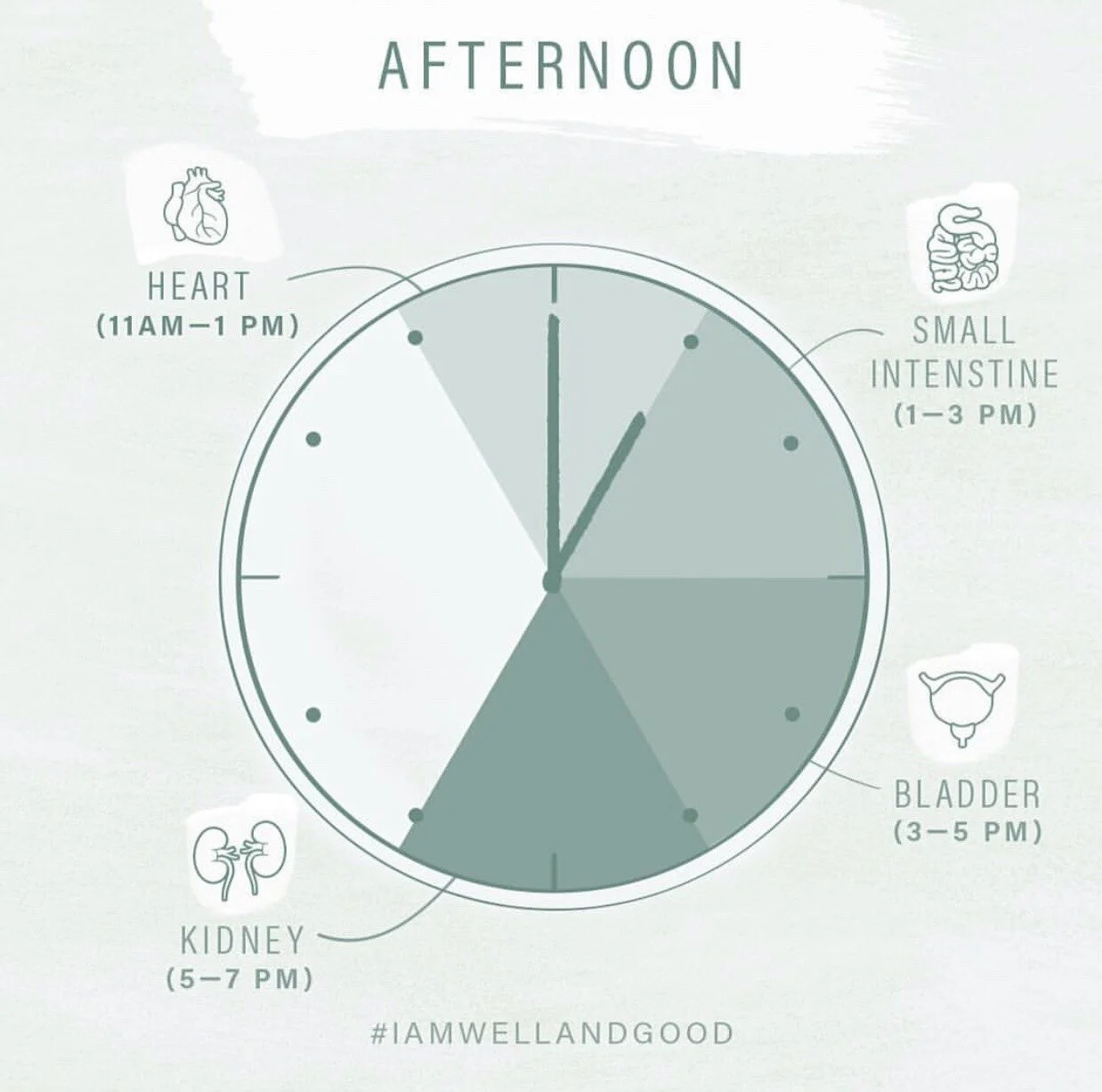
KIDNEY TIME: 5 - 7pm
CLIMATE: Cold
ELEMENT: Water
COLOR: Black
FLAVOR: Salty
EMOTION: Fear
TISSUES: Hair, Bones, Marrow
So what does all of this mean? Here’s what you can do to be well this Winter:
Nourish Your Kidneys

PC: Ali Harrison @lightandpaperali
The Kidneys are ruled by Winter. In other words, they are the organ that require more attention and protection during this time of year.
In TCM, the Kidneys are considered our “life gate.” They store our vital energy, called “Essential Qi” and Essence (Jing) which we are born with. The Kidney’s are like our body’s batteries; they are responsible for growth & development, metabolism, temperature regulation, reproduction, as well as managing our energy levels on a daily basis. Just like with any battery, there’s a limit to how much we can expend. Chinese Medicine reminds us to use our Kidney energy and Jing wisely since we are only born with so much. Although it naturally declines with age (no matter how much we try), there are lifestyle habits and choices that can deplete it sooner.
THINGS THAT WEAKEN THE KIDNEYS
Too little sleep
Long hours of physical/mental exertion
Prolonged exposure to a cold environment
Feeling stressed all. the. time.
Nutrient depletion from poor diet
Drug & Alcohol abuse
Chronic Illness
How to know if your Kidneys need support…
In practice, there are some key symptoms I look for when assessing if someone has, what is called, a “Kidney Deficiency.” This does not mean there is something “wrong” with your Kidneys in the sense that you need to seek out immediate medical attention. However, they are indications that an imbalance exists and, if not addressed, can decline over time:
Kidney Qi Deficiency
Translation: You have a mild depletion in Kidney Qi. This is one of the earlier, less chronic patterns I see where the Kidney’s ability to hold, store, and filter is compromised:
Dizziness, tinnitus (ear-ringing), decrease in hearing, weakness in low back, low back pain that is dull/sore/achey in nature, back pain worse with exertion, chronic fatigue, low libido, nocturia (bed-wetting in the evening), mild anxiety, depression, takes a longer time than normal to recover from illness, frequent illness.
Related Conditions: Adrenal Fatigue, Low Back Pain, Insomnia
Kidney Yang Deficiency
Translation: You have lower reserves of “Yang” energy that warms, moves, and promotes the functions of other organs. As a result, you will notice ‘cold signs’ and conditions where poor circulation, slowed metabolic and mental processes, plus a lack of ‘holding’ is apparent:
Extreme sensitivity to cold, feeling cold constantly (despite attempts to layer/warm up), cold feet, cold/sharp pain sensations in low back, weakness in knees and back, forgetfulness, feeling withdrawn, depression, exhaustion, sluggish metabolism, weight gain, loose stools, edema, urinary incontinence, low libido, infertility, impotence and spontaneous ejaculation in men; amenorrhea (loss of menstrual cycle) and ovulation disorders in women
Related Conditions: Reynaud’s Syndrome, Hypothyroidism, Dementia, Depression
Kidney Yin Deficiency
Translation: You have lower reserves of “Yin” energy that is responsible for cooling, anchoring, and moisturizing the body’s tissues and other organs. This manifests in ‘heat signs’ and conditions where dryness, malnourishment, and a ‘rising’ dynamic is evident:
Dry mouth or throat (especially at night), always thirsty, night sweats, restless sleep, hot flashes, feelings of heat in chest/palms/feet, dark urine, constipation, tinnitus (ear ringing), declining muscle mass (thin body type), stiffness in joints/muscles, chronic low back soreness, forgetfulness, panic attacks, hair falls out easily, for men: premature ejaculation, for women: recurrent UTIs, vaginal dryness, infertility
Related Conditions: Kidney Stones, High Blood Pressure, Perimenopause, Hyperthyroidism
Kidney Essence Deficiency
Translation: You have significantly lower reserves of Kidney energy in the form of “Essential Qi” and Jing, possibly from birth, a combination of lifestyle habits that ‘used up’ your reserves, or just because you might be older in age. Jing can be compared to our genetics. Just like how DNA is a blueprint for our development (with several factors—including lifestyle—influencing its expression later on in life), Jing is the deepest-stored component that affects our health and longevity. When a Jing deficiency is apparent, conditions that affect aging, the bones, teeth, and the brain/mental functioning are apparent.
Physical disabilities (especially in the bone-level), slow recovery from injuries and illness, cognitive/learning disabilities, delayed growth/puberty, accelerated aging (looking older than you are), premature hair loss, hair graying, severe forgetfulness/memory loss, infertility (low ovarian reserve, poor egg/sperm quality)
Related Conditions: Alzheimer’s, Genetic Disorders, Osteoporosis, Rickets
Please Note: These are not all of the patterns and symptoms associated with the Kidneys, but reflect the most common ones to give you an idea of what each pattern looks like.
Now that we’ve established why it’s important to protect the Kidneys, read on for some tips on how this season.
Winter Wellness Tips

PC: Joanna Keler @joanna_keler
LAYERS ARE LIFE: STAY WARM
Cold is not just a temperature in Chinese Medicine, it’s a pathogenic factor—and the most obvious culprit for that nasal congestion and stiff neck in the Winter months. Think about what happens when you’re cold: your body becomes tense. Why? The cold constricts blood vessels, limiting circulation and nourishment to our muscles and joints, causing pain and stiffness. I work with a lot of people during the Winter who have pain from exposure to the cold. Yes, Acupuncture plus Moxa (TCM heat therapy) is helpful, but prevention is still the best medicine, so here are some precautions you can take:
Keep your neck and back covered: these are areas where pathogens like the cold and wind can easily enter the body. The back of the neck is called the “Wind Gate” for this reason! If left exposed to the elements, you’re more likely to catch a cold. So layer up, especially outdoors or if you work in a cold environment.
Keep you feet warm—The Kidney channel begins on the sole of the foot, so warm feet will prevent cold from moving up the channel and affecting the Kidneys themselves. Anytime I see cold feet in practice, I know the Kidneys are involved and can use some strengthening.
PC: WELL + GOOD @iamwellandgood
Keep your digestive fire strong
During the Winter, we want to be mindful of supporting our Kidneys as well as our digestive system—and in TCM, these are closely linked. The Kidneys are considered the root of our “digestive fire” (if you picture a pot on the stove: the Kidney Yang is the flame below) which maintains our metabolic processes, making sure our Spleen/Stomach can transform and distribute nutrients efficiently. In the Winter, you can keep your digestive fire strong by eating mostly warm, easily digestible, and cooked foods. This is not the season for shakes, smoothies, and salads, whose cold-raw nature can make our digestive system work harder to process what its being given, leading to sluggish digestion, bloating, gas, and loose stools.
I’m not saying you can’t or shouldn’t have any cold-raw foods (that is not realistic), but at least in moderation. Pairing those foods with some warming spices (ginger, cardamom, cinnamon) or a cooked side-dish helps too. In general, Winter is a time for cooking foods for longer at lower temperatures, which makes stews and soups ideal.
Crave Salt? Moderation is key for embracing the flavor of Winter, Salty, which nourishes the Kidneys. A Little salt is good and even necessary for our bodies, just not too much. If your energy drops at 5-7pm, this means your Kidneys (and Adrenals) can use some support; having a salty snack at this time can help.
Other Kidney Nourishing Foods:
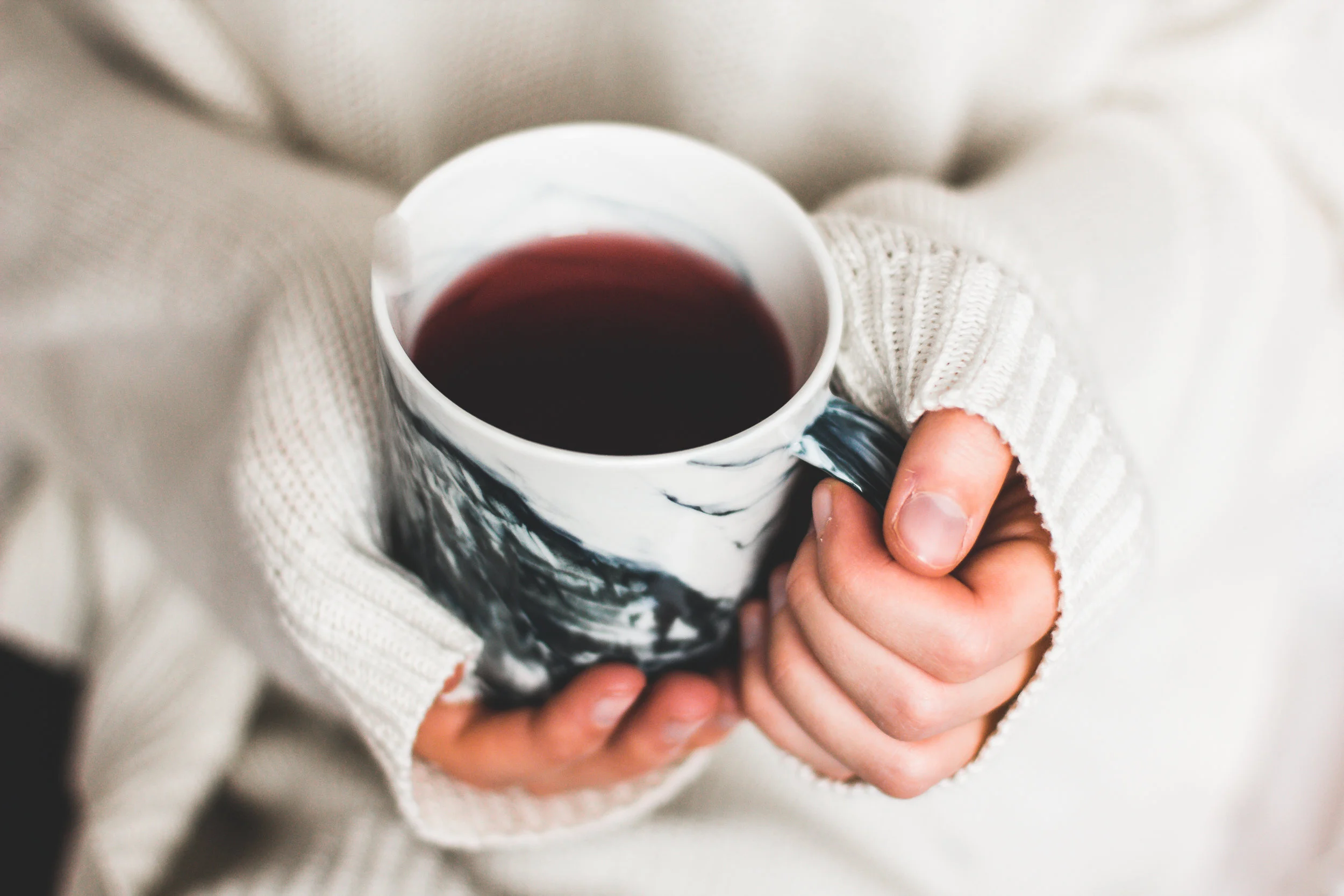
Black Foods: Blackberry, Black Beans, Black Tea
Micro-Algae: Spirulina, Seaweed, Nori, Chlorella
Greens: Escarole, Endive, Bock Choy
Root Vegetables: Sweet Potato, Turnip, Beets
Whole Grains: Oats, Barley, Amaranth
Nuts: Water Chestnut, Walnut
Broths: Bone Broth or Veggie-based

ASSESS THE ROLE “FEAR” PLAYS IN YOUR LIFE
In TCM, emotions are a known cause for illness, and each one affects our organs in specific ways.
Fear is the emotion that governs the Kidneys. Unlike its bad rep, fear is actually a normal and healthy emotion—its purpose is to protect us. It is when we try to ignore our fears that they tend to grow, become chronic, or even irrational which keeps us from having the willpower to make basic decisions and live our life. It’s no surprise the Kidneys govern fear: in Western Medicine, the Kidneys house our adrenal glands, which produce cortisol and norepinephrine when we are faced with threatening situations, stress, and major life changes. Those cliche expressions hold some truth: getting “cold feet,” meaning you could not make a move due to fear—that describes a weakness in the Kidneys! That concept of getting “stage fright” with involuntary urination? Fright weakens the Kidneys to the point it cannot withhold qi and body fluids. You see? It’s all connected.
Not all fears can be rationalized though, and I encourage my patients struggling with deep-seeded ones to work with a therapist in addition to Acupuncture.
If you know that fear holds too much power in your life, try sitting with it. Allowing yourself to feel your fear gives it less power over you—as uncomfortable as it might be to let your mind wander there, it can feel liberating. When each fear crops up, sort through it: see what your fear is trying to protect you from vs. what is worth stepping outside your comfort zone for.
ACUPRESSURE
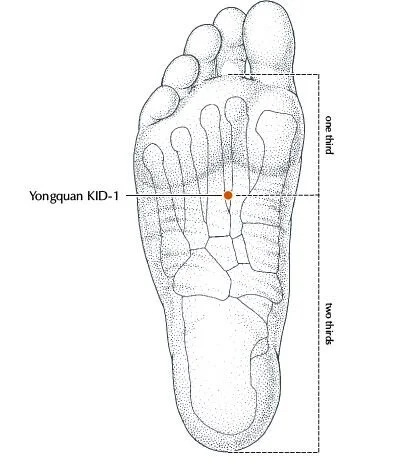
The Kidney Channel starts at the base of the foot, in a point called Yongquan—Gushing Spring. This is a great point for strengthening the Kidneys (Adrenals too) plus as the lowest point on the body, it has a powerful descending and grounding effect.
Use It For:
Anxiety, Insomnia, Vertex Headaches, Hypertension, Nausea, Hot Flashes, Poor Memory, and disorders of the throat/tongue (inability to swallow, loss of voice)
To Find It:
Feel for a tender depression on the bottom of your foot, between your second and third toe. This point is at the base of the ball of your foot, just before the arch.
To Activate:
Press this point for 30-60 seconds as needed during the day, such as if you experience a drop in energy during the early evening hours (like 5-7pm—the Kidney‘s time), or if you feel like you can’t ‘get out of your own head,’ this is a good point to help you feel settled. Press to your comfort level, but it should feel a little tender.
Well, there you have it!
I know it’s a lot to reflect on, but that’s what this season is for after all.
I wish you a Winter filled with realizations, still moments, good health, and the conviction to follow your path.
. . .
Disclaimer: Information contained in this article is not meant to diagnose or treat any medical symptoms/condition. If you have any health concerns or an emergency, seek out medical attention. If you are a patient of ours with a health concern, contact us so we can help and make appropriate referrals as needed. If you have questions, feel free to reach out via email at empowerchiroacu@gmail.com. Thanks for reading!